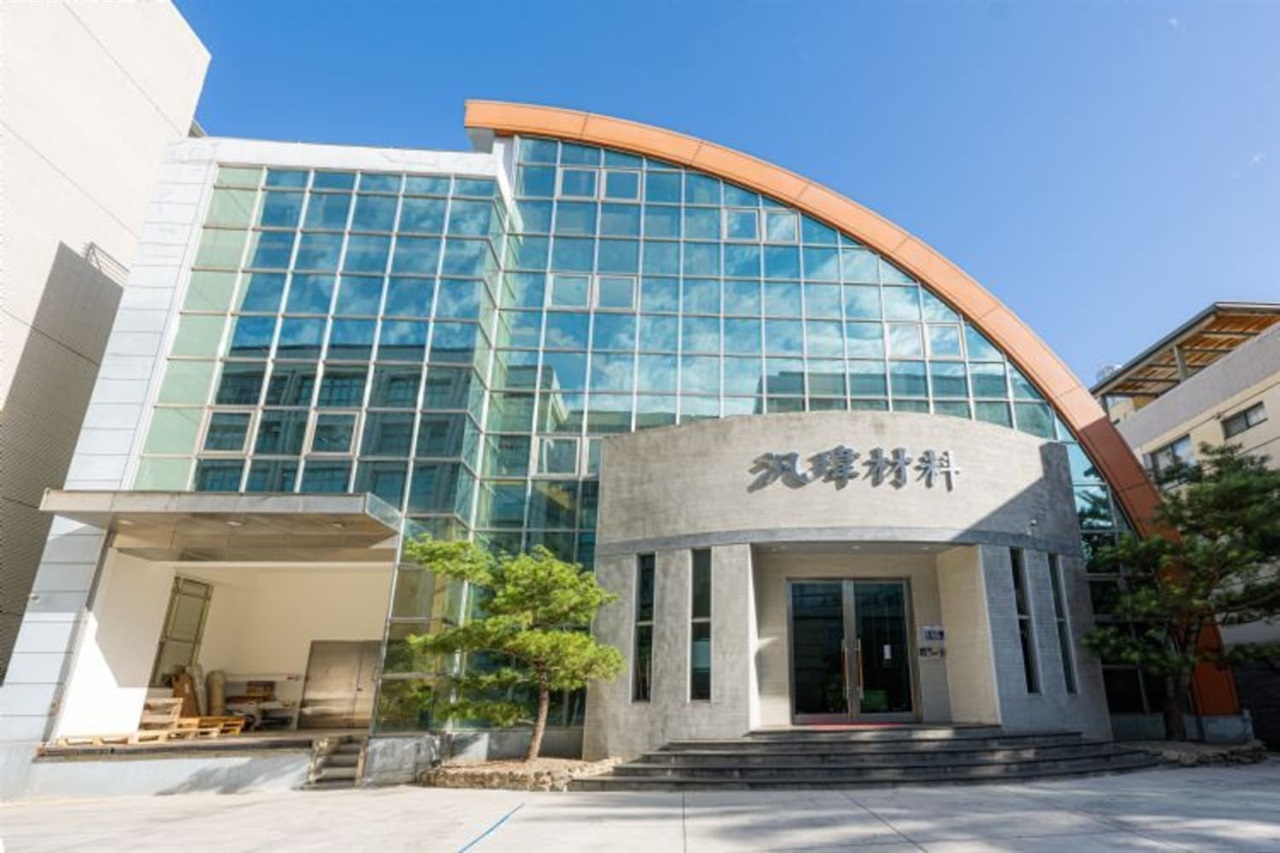
It’s not just a balance sheet figure. Trans-Sun Materials’ record revenue tells a broader story: the race for artificial intelligence hardware is reshaping the global supply chain. The company, which supplies critical server components – likely thermal interface materials, heat sinks, or advanced packaging substrates – has become a barometer of real computing demand.
The surge in AI and HPC server orders benefits not only GPU makers like NVIDIA or major assemblers. It is creating a cascade of contracts for anyone providing the physical building blocks of infrastructure. When an intermediate materials supplier like Trans-Sun Materials posts unprecedented revenue, the message is clear: the construction of the new AI internet is in full swing, and shows no sign of slowing down.
This scenario has far deeper implications than a mere financial rally. For those evaluating on-premise deployment of Large Language Models, Trans-Sun Materials’ numbers are a leading indicator of supply chain pressures. If demand for specialized components continues to grow at this pace, procurement lead times for complete systems – from GPU nodes to liquid cooling modules – may lengthen. Moreover, the concentration of production in a handful of suppliers (often in Asia) introduces a non-negligible geopolitical risk for technological sovereignty.
The net effect on the Total Cost of Ownership of an on-premise cluster is ambivalent. On one hand, a more robust supply chain and rising volumes should, in the medium term, reduce unit costs and make inference hardware more accessible. On the other, in the short term, competition to secure GPUs and components can inflate prices, making the cloud model more attractive – at least for sporadic workloads. Companies sizing their machine fleets for LLM fine-tuning or inference must incorporate these variables into their models, shifting focus from pure purchase cost to the resilience of the entire supply chain.
There is also a structural implication: when a specialized materials company delivers a record quarter, it means demand is spreading to ever-deeper layers of the industry. It signals a maturing ecosystem, but also potential bottlenecks in less visible sectors. Production capacity for advanced thermal materials or substrates cannot be scaled as quickly as server assembly. Those planning on-premise deployments would do well to monitor not only GPU availability but also that of ancillary components, which can become a silent limiting factor.








💬 Comments (0)
🔒 Log in or register to comment on articles.
No comments yet. Be the first to comment!