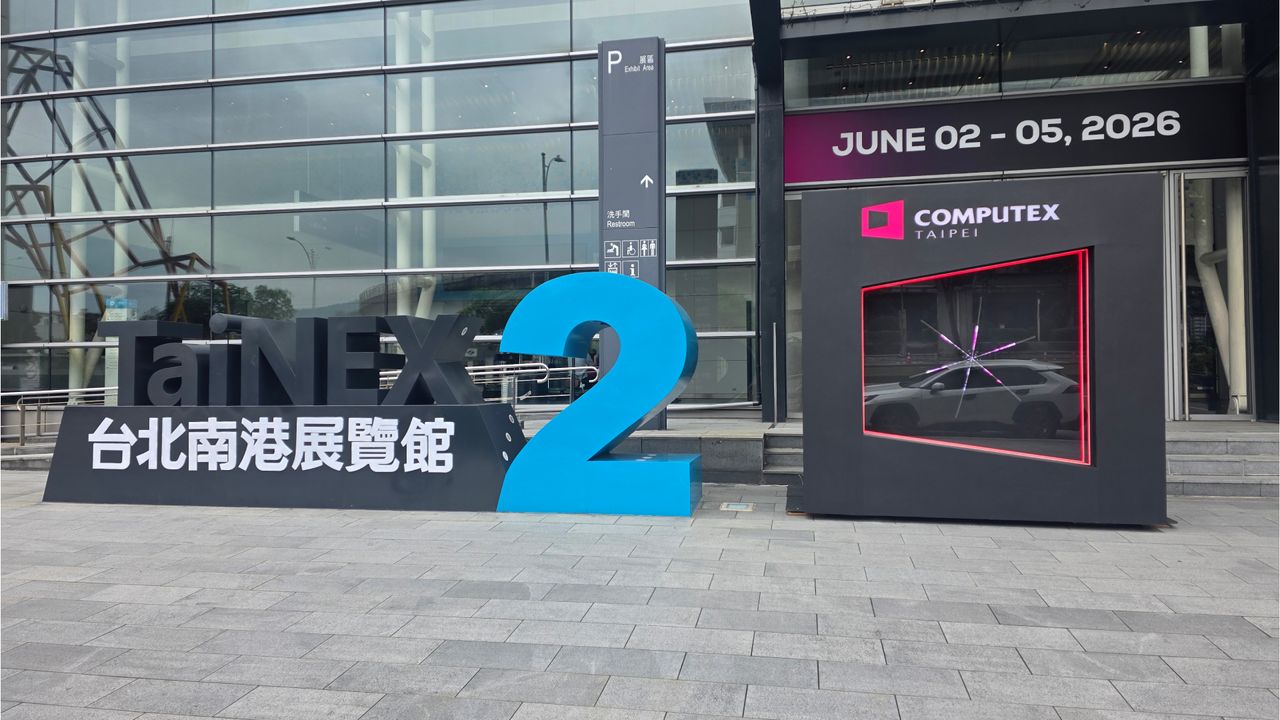
Computex 2026: The Stage for Hardware Innovation
Computex Taipei, even in its 2026 edition, remains an unmissable event for the global technology sector. As the summer heat envelops the city and teams move frantically between the halls of the TaiNEX 2 Convention Center, the energy is palpable. This event traditionally serves as a showcase for the latest innovations in hardware, from processors to graphics cards, and extending to storage and networking solutions.
In an era dominated by the rise of Large Language Models (LLM), attention is increasingly shifting towards architectures and components that can support computationally intensive workloads. For companies evaluating on-premise deployments, Computex offers fundamental insights into the direction hardware development will take, directly influencing strategic decisions regarding infrastructure and TCO.
The Impact of Hardware on On-Premise LLM Deployments
Hardware selection is a critical factor for the success of LLM deployments in self-hosted environments. Components such as high-performance GPUs, with ample VRAM and advanced compute capabilities, are essential for managing the Inference and Fine-tuning of complex models. Memory density, bandwidth, and interconnect speed between compute units directly influence Throughput and Latency, which are critical metrics for real-time AI applications.
Innovations presented at events like Computex often involve improvements in energy efficiency and the integration of new Silicon architectures. These advancements are vital for on-premise infrastructures, where the Total Cost of Ownership (TCO) is heavily influenced by energy consumption and cooling costs. The ability to scale infrastructure while maintaining granular control over resources largely depends on the flexibility and performance of the underlying hardware.
Data Sovereignty and Infrastructure Control
For many organizations, particularly those operating in regulated sectors, data sovereignty and regulatory compliance are absolute priorities. On-premise LLM deployments offer unparalleled control over data location and management, an aspect that cloud solutions cannot always guarantee with the same granularity. The hardware showcased at Computex, while not directly tied to compliance, forms the foundation upon which air-gapped or strictly controlled environments are built.
The ability to maintain the entire LLM development and Deployment pipeline within corporate boundaries, on Bare Metal or virtualized infrastructures, is a key driver for adopting self-hosted solutions. This approach not only enhances security and privacy but also allows companies to optimize the use of existing resources and customize infrastructure to meet specific workload needs, avoiding reliance on external providers and their associated variable operational costs.
Future Prospects and Strategic Considerations
The excitement observed at Computex 2026 underscores the rapid evolution of the hardware landscape, with significant implications for those designing and managing AI infrastructures. For CTOs, DevOps leads, and infrastructure architects, it is crucial to monitor these trends to make informed decisions. The choice between different generations of GPUs, investment in high-speed networking solutions, or the adoption of new Quantization techniques to optimize VRAM usage are all elements that contribute to defining the deployment strategy.
Carefully evaluating the trade-offs between initial (CapEx) and operational (OpEx) costs, specific performance requirements for their models, and security and compliance needs is a complex process. AI-RADAR offers analytical frameworks on /llm-onpremise to support organizations in evaluating these alternatives, providing tools to compare self-hosted options with cloud-based ones and to optimize the overall TCO of LLM workloads.




💬 Comments (0)
🔒 Log in or register to comment on articles.
No comments yet. Be the first to comment!