
La protesta dei dipendenti ASML e il contesto tech
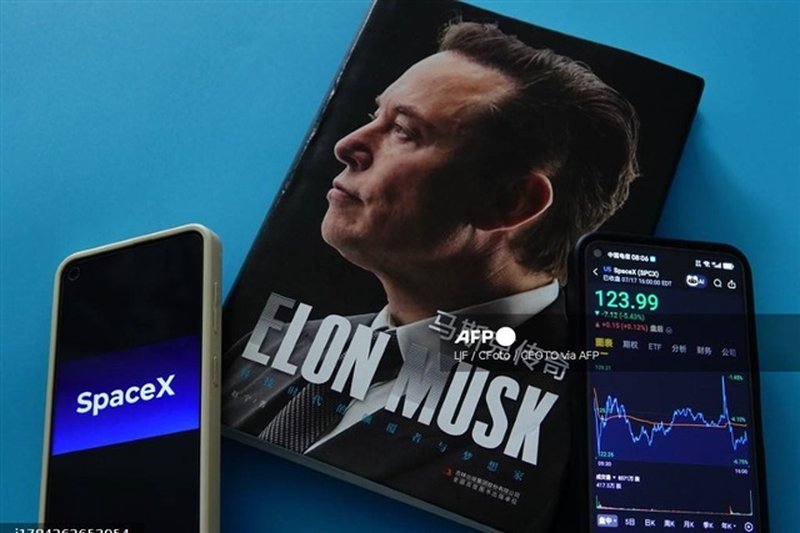
Una recente notizia ha scosso il settore tecnicico, evidenziando come le dinamiche sociali e le posizioni politiche di figure influenti possano generare attriti significativi all'interno di aziende strategiche. Dipendenti di ASML, colosso olandese e attore fondamentale nella produzione di macchinari per semiconduttori, hanno manifestato il loro dissenso e minacciano di boicottare la partecipazione di Elon Musk a una conferenza. La protesta è motivata dal coinvolgimento politico di Musk e da accuse di "simpatie naziste" che gli vengono rivolte.
Questo episodio, sebbene non direttamente legato a specifiche innovazioni hardware o software, solleva interrogativi importanti sulla stabilità del settore e sulla percezione pubblica dei suoi leader. Per le aziende che valutano strategie di deployment on-premise per i loro carichi di lavoro AI, la stabilità della supply chain e la reputazione dei fornitori chiave rappresentano fattori indiretti ma non trascurabili nel calcolo del TCO e nella gestione del rischio.
ASML: un pilastro per l'infrastruttura AI
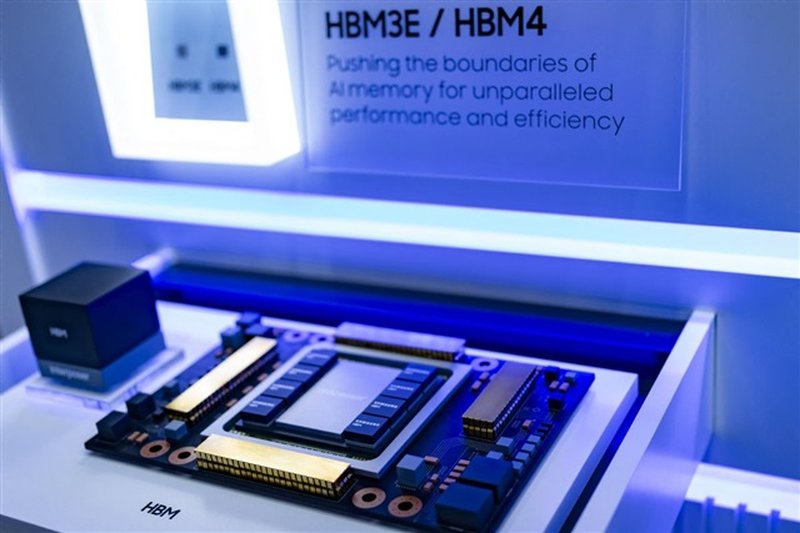
ASML riveste un ruolo insostituibile nell'ecosistema tecnicico globale. L'azienda è il principale fornitore mondiale di sistemi di litografia a ultravioletti estremi (EUV), tecnicie essenziali per la produzione dei chip più avanzati. Questi semiconduttori sono il cuore pulsante di ogni infrastruttura AI moderna, dalle GPU ad alte prestazioni necessarie per il training e l'Inference di Large Language Models, ai processori specializzati per l'edge computing.
Qualsiasi fattore che possa influenzare la stabilità operativa o la reputazione di un attore così critico ha il potenziale di generare ripercussioni a cascata sull'intera supply chain. Interruzioni o incertezze nella disponibilità di queste tecnicie di base possono tradursi in ritardi nella produzione di hardware AI, aumento dei costi o difficoltà nell'approvvigionamento di componenti vitali per chi intende costruire o espandere la propria infrastruttura AI self-hosted.
Dinamiche sociali e strategie di deployment on-premise
La crescente attenzione alle posizioni etiche e politiche delle aziende e dei loro leader è una tendenza che le organizzazioni non possono ignorare. Il malcontento dei dipendenti di ASML, sebbene specifico per un evento e una figura, riflette una sensibilità più ampia che può influenzare la capacità di un'azienda di attrarre e trattenere talenti, nonché la sua reputazione complessiva.
Per i CTO e gli architetti di infrastruttura che pianificano deployment on-premise, la resilienza della supply chain è un elemento chiave. La dipendenza da un numero limitato di fornitori per componenti critici rende il settore vulnerabile a fattori esterni, inclusi quelli sociali e politici. Valutare il TCO di un'infrastruttura AI non significa solo considerare i costi diretti di hardware e energia, ma anche i rischi legati alla continuità operativa e alla stabilità della catena di approvvigionamento. La sovranità dei dati e il controllo sull'infrastruttura, obiettivi primari del deployment self-hosted, sono intrinsecamente legati alla capacità di reperire e mantenere l'hardware necessario.
Prospettive future e la resilienza del settore
L'episodio che coinvolge ASML e Elon Musk sottolinea l'interconnessione tra aspetti apparentemente distanti del mondo tecnicico. Le decisioni di deployment di LLM e altri carichi di lavoro AI, in particolare quelle che privilegiano l'approccio on-premise per ragioni di controllo, sicurezza e TCO, dipendono in ultima analisi da una supply chain globale robusta e prevedibile.
Mentre il settore continua a evolversi rapidamente, la capacità di anticipare e mitigare rischi non solo tecnici ma anche geopolitici e sociali diventerà sempre più cruciale. Per chi valuta deployment on-premise, esistono framework analitici su /llm-onpremise che possono aiutare a valutare questi trade-off complessi, fornendo strumenti per una pianificazione strategica che tenga conto di tutte le variabili, anche quelle meno ovvie come la percezione pubblica e il morale dei dipendenti in aziende chiave. La resilienza non si costruisce solo con l'hardware, ma anche con la consapevolezza del contesto più ampio in cui opera.







💬 Commenti (0)
🔒 Accedi o registrati per commentare gli articoli.
Nessun commento ancora. Sii il primo a commentare!