
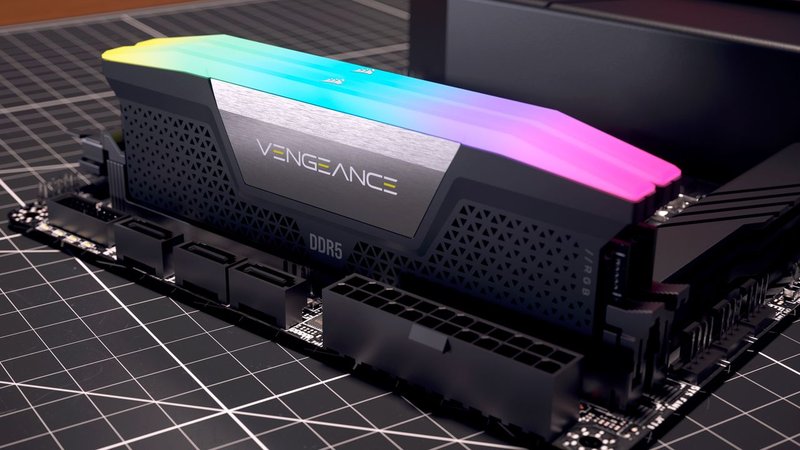
Il nome Corsair evoca immediatamente memorie ad alte prestazioni, moduli dominatori e dissipatori RGB. Ora però l’azienda californiana potrebbe scrivere un capitolo diverso, diventando il primo grande integratore a puntare su chip DRAM cinesi per le proprie linee DDR5. Secondo indiscrezioni raccolte da testate di settore, Corsair avrebbe avviato la validazione di die di CXMT, il principale produttore cinese di DRAM, con l’intenzione di inserirli nei futuri kit consumer e, potenzialmente, nelle soluzioni per workstation.
CXMT e il lento (ma costante) ingresso nella partita globale
CXMT (ChangXin Memory Technologies) non è un nome nuovo per gli analisti di semiconduttori, ma finora la sua presenza si è limitata a memorie per il mercato domestico cinese o a moduli DDR4 per prodotti a basso costo. L’eventuale ingresso nella gamma DDR5 di un marchio come Corsair rappresenta un salto qualitativo e simbolico: certifica che i chip cinesi hanno raggiunto livelli di resa e affidabilità tali da soddisfare le esigenze di un integratore che punta su overclock e stabilità. Per la supply chain globale, è il segnale che il duopolio allargato (Samsung, SK Hynix e Micron) potrebbe presto diventare un oligopolio a quattro, con tutte le conseguenze in termini di dinamiche di prezzo e disponibilità.
Memorie per server: un mercato che cerca alternative
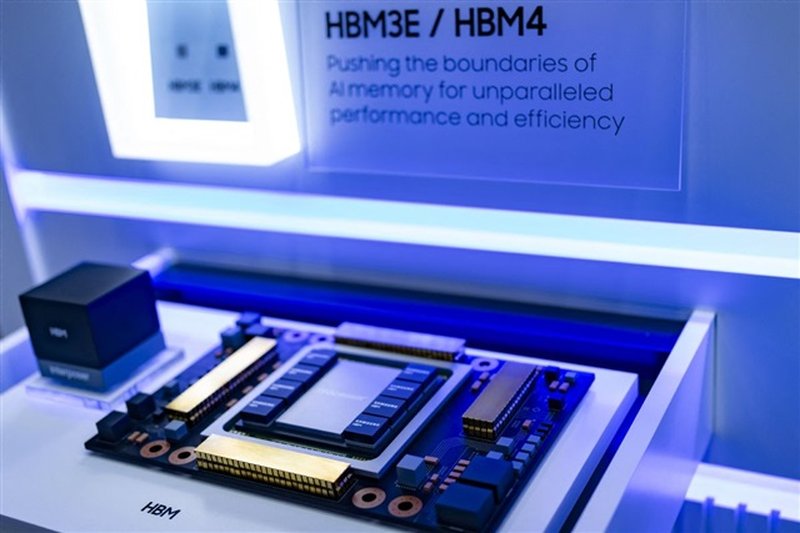
Chiunque gestisca infrastrutture fisiche sa che la RAM rappresenta una voce significativa nel costo complessivo di un server. Con l’esplosione dei carichi di lavoro legati all’AI, la pressione sui volumi di memoria è aumentata: i server per inference e training on-premise non hanno bisogno solo di GPU con abbondante VRAM, ma anche di grandi quantità di RAM di sistema per preparare dataset, mantenere in cache i pesi di modelli di grandi dimensioni o eseguire inference su CPU in certi contesti di edge computing. L’arrivo di un quarto produttore con ambizioni globali può innescare una competizione sui prezzi che, in una prospettiva di medio termine, potrebbe ridurre il TCO per chi allestisce nodi di calcolo densi di memoria. Non si tratta solo di un discorso di commodity: la larghezza di banda e la frequenza di funzionamento sono parametri chiave anche per le applicazioni AI, e il progressivo affinamento del processo produttivo di CXMT potrebbe portare a die capaci di sostenere profili XMP ambiziosi.
Sovranità hardware e nuove geografie dei chip
La mossa Corsair tocca anche il tema della sovranità hardware, un argomento che AI‑RADAR segue con attenzione nell’ambito del deployment on-premise. Chi oggi costruisce cluster privati per LLM spesso valuta non soltanto la provenienza degli acceleratori (GPU, NPU) ma anche quella di componenti apparentemente ancillari come le memorie. In un framework di crescenti tensioni geopolitiche, la diversificazione geografica dei fornitori riduce il rischio di dipendenza da singoli paesi e può semplificare la conformità a normative locali sulla localizzazione dei dati. Non è un caso che alcuni progetti di infrastruttura sovrana europea stiano mappando con attenzione l’origine di ogni componente hardware. L’ingresso di CXMT nella catena di fornitura di un brand occidentale come Corsair allarga le opzioni senza stravolgere l’architettura di sistema: i moduli restano compatibili con gli standard JEDEC, ma la loro origine cambia gli equilibri.
Un test per il mercato, non una rivoluzione immediata
Va detto con chiarezza: l’adozione di queste DRAM da parte di Corsair, per ora, è una notizia di mercato, non una certezza tecnica già consolidata. I primi sample potrebbero essere destinati a linee di prodotto entry‑level o a mercati specifici, e servirà tempo perché volumi consistenti arrivino effettivamente nei canali globali. Tuttavia, l’esperienza di altri settori (display, batterie, pannelli solari) insegna che l’ingresso dei produttori cinesi su larga scala tende a rimescolare i prezzi di riferimento. Per i responsabili degli acquisti IT e per chi progetta server on-premise per LLM, il consiglio è tenere d’occhio i prossimi listini: una memoria DDR5 di qualità accettabile a costo più basso potrebbe rendere sostenibili configurazioni di fascia media oggi fuori budget, accelerando ulteriormente la diffusione di capacità di inference locale.







💬 Commenti (0)
🔒 Accedi o registrati per commentare gli articoli.
Nessun commento ancora. Sii il primo a commentare!