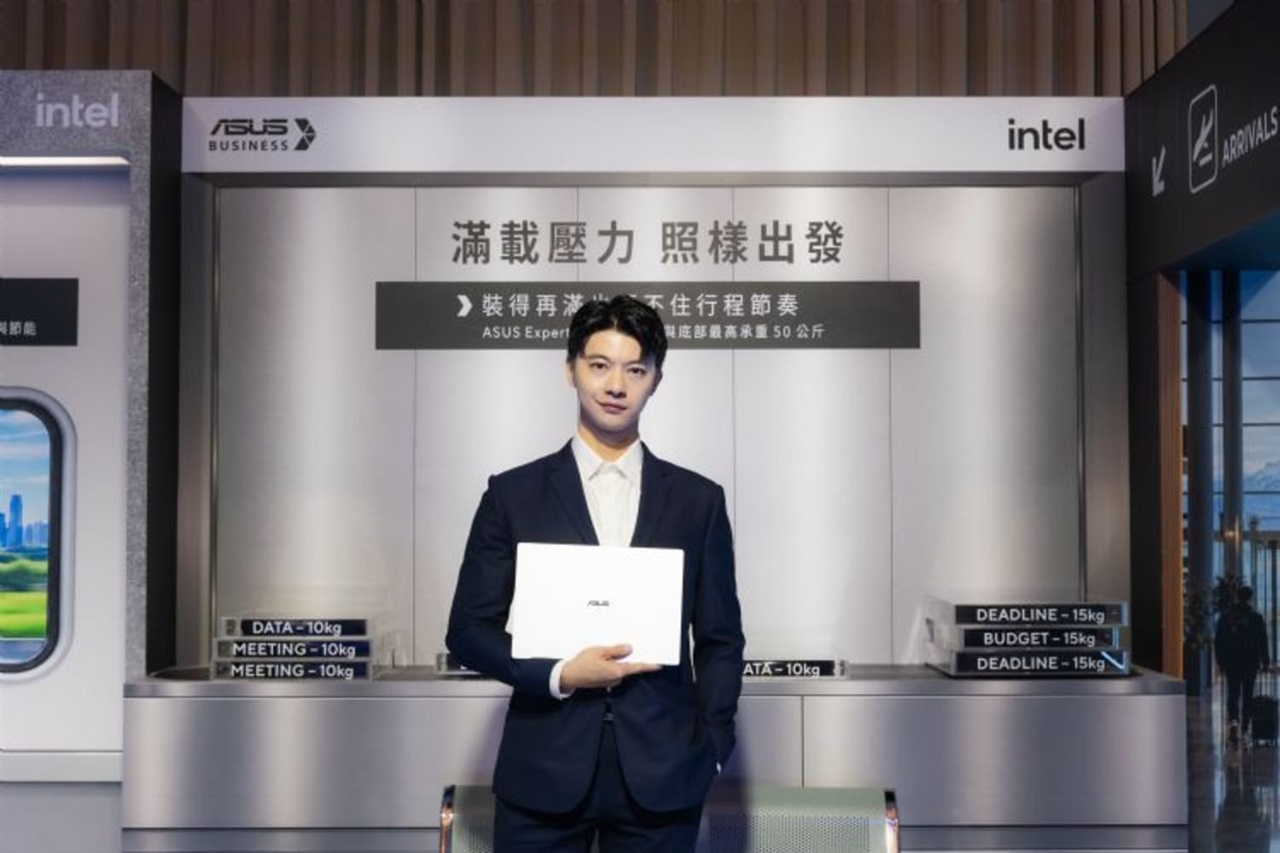
The pressure on GPU supply for AI is no longer confined to massive cloud data centers. The latest signal comes from DIGITIMES: cloud AI costs are driving demand for on-premises computing, and that demand is squeezing supply of the Asus RTX Spark.
Anyone managing budgets for LLM inference understands the mechanism. Models grow larger, API calls multiply, and token-based costs become difficult to forecast. In many environments, especially where workloads run continuously or data cannot leave the organization, local compute becomes a concrete alternative. The Asus RTX Spark sits at the center of this tension: a product that meets the need to keep processing close to the data. Its rapid sell-out suggests demand is no longer limited to enthusiasts but now includes IT teams that need to run models without depending on a cloud provider.
This is not just a logistics hiccup. The shortage of a specific component points to a structural shift. Organizations are recalculating the TCO of AI deployments: paying per token can work for sporadic workloads, but sustained inference changes the equation. Self-hosted infrastructure turns a continuous operating expense into a capital investment, with all the implications for depreciation, maintenance, and resource management.
A second-order effect is less visible but equally important. Pressure on local supply does not affect everyone equally. Hardware vendors with dedicated local AI lines can gain share, while cloud providers face the need to justify pricing that looks less competitive for certain workloads. At the same time, companies without internal skills or planned inventory risk longer lead times and shifting price lists. The market is beginning to price data sovereignty not as a regulatory afterthought but as a real cost item.
For those evaluating on-premises deployment, trade-offs extend beyond the GPU price: power consumption, cooling, operational skills, and model updates all matter. AI-RADAR offers analytical frameworks on /llm-onpremise to map these constraints without reducing the decision to a simple hardware comparison. The Asus RTX Spark episode shows that local hardware is no longer a niche: it has become a competitive variable.





💬 Comments (0)
🔒 Log in or register to comment on articles.
No comments yet. Be the first to comment!