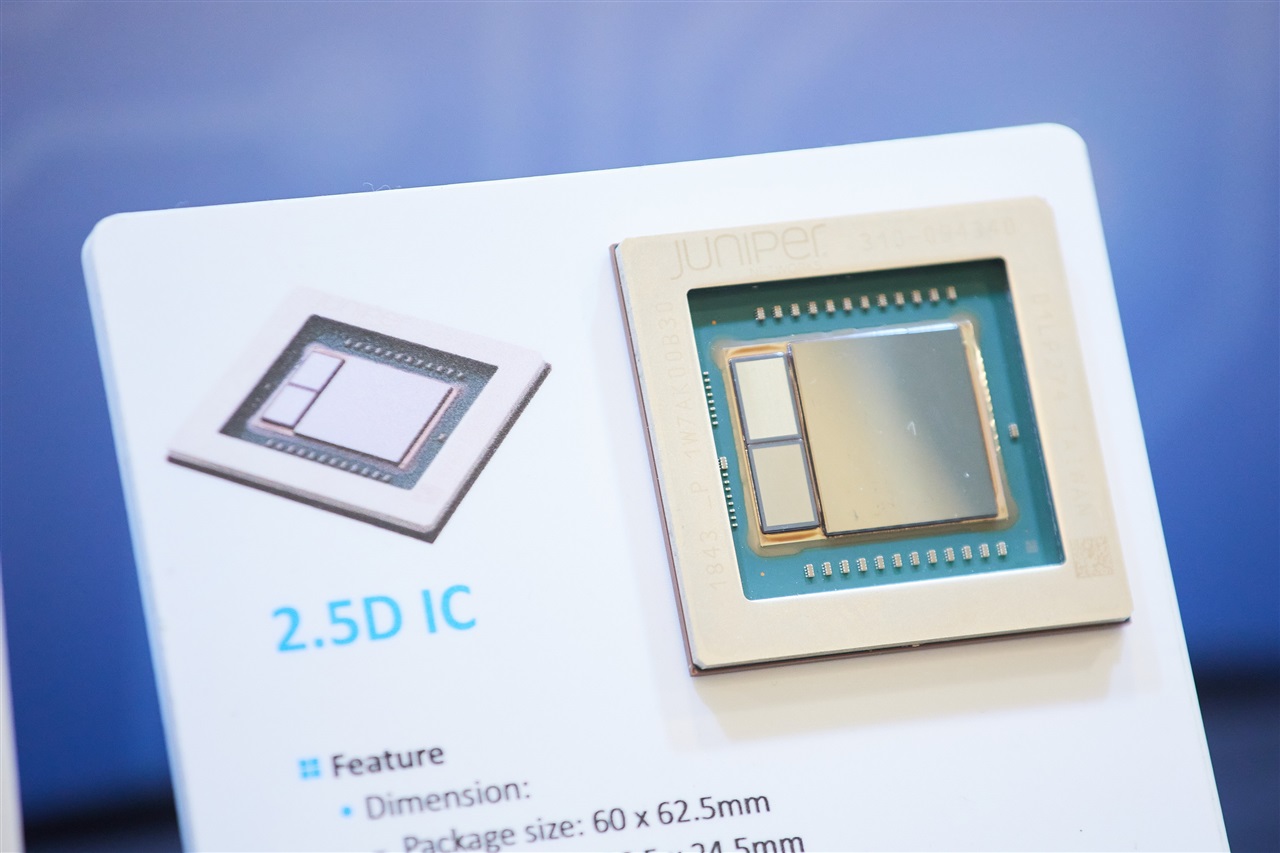
Taiwan resta il baricentro del packaging e collaudo dei semiconduttori. A giugno il settore OSAT (Outsourced Semiconductor Assembly and Test) ha registrato una crescita del 23,7% su base annua — un dato che conferma la corsa alla capacità produttiva, spinta dalla domanda di chip avanzati per data center e AI. Ma nei grafici diffusi da Digitimes a emergere non sono solo i soliti nomi: un player di dimensioni ridotte sta catturando i riflettori, segnalando possibili increspature in un ecosistema finora dominato da pochi giganti.
Per chi valuta deployment on-premise di Large Language Models, i nomi delle aziende OSAT dicono quanto la disponibilità di una GPU o di un acceleratore. Il packaging avanzato — le tecniche che impilano chiplet, avvicinano memoria e logica, gestiscono densità termiche estreme — è diventato il collo di bottiglia per l’inference su larga scala. Tecnologie come CoWoS (Chip-on-Wafer-on-Substrate) di TSMC o l’EMIB di Intel dipendono non solo dai fondatori ma anche da subfornitori di packaging e test. Un allargamento della base produttiva, con l’ingresso di nuovi concorrenti credibili, potrebbe incrinare il potere contrattuale degli incumbent e ridurre i tempi di attesa per l’hardware.
Il fatto che a guadagnare visibilità sia un’azienda piccola suggerisce almeno tre possibili sviluppi. Primo, potrebbe aver messo a punto una specializzazione in packaging per chip AI — per esempio, interposer organici o soluzioni ibride per memorie HBM — in grado di ritagliarsi una nicchia. Secondo, il mercato potrebbe premiare chi offre alternative regionali: per un’organizzazione europea che deve rispettare requisiti di residenza dei dati e preferisce filiere meno concentrate geograficamente, una supply chain di packaging più distribuita riduce il rischio sistemico. Terzo, l’effetto sui prezzi: più fornitori qualificati significano margini di negoziazione migliori, con ricadute dirette sul Total Cost of Ownership di un cluster on-premise.
Non è un caso che l’OSAT stia vivendo una fase di fermento. Mentre la domanda di inference continua a crescere, le architetture a chiplet diventano la norma per scalare oltre i limiti del reticolo. Aziende come AMD, NVIDIA e i grandi hyperscaler progettano silicio custom che poi va assemblato e testato, alimentando un mercato che vale decine di miliardi. L’ascesa di un nuovo protagonista, per quanto ancora piccolo, obbliga a ripensare le mappe della dipendenza tecnicica.
Per chi oggi assembla infrastrutture di calcolo destinate a LLM self-hosted, il messaggio è chiaro: monitorare solo le GPU non basta. Le variabili che determinano la fattibilità di un progetto — dalla potenza di calcolo alla latenza di memoria, fino ai costi energetici — sono scolpite a monte, negli impianti di packaging. Un settore più contendibile può accelerare l’adozione di soluzioni on-premise e offrire ai system integrator una leva in più per progettare architetture realmente sovrane.





💬 Commenti (0)
🔒 Accedi o registrati per commentare gli articoli.
Nessun commento ancora. Sii il primo a commentare!