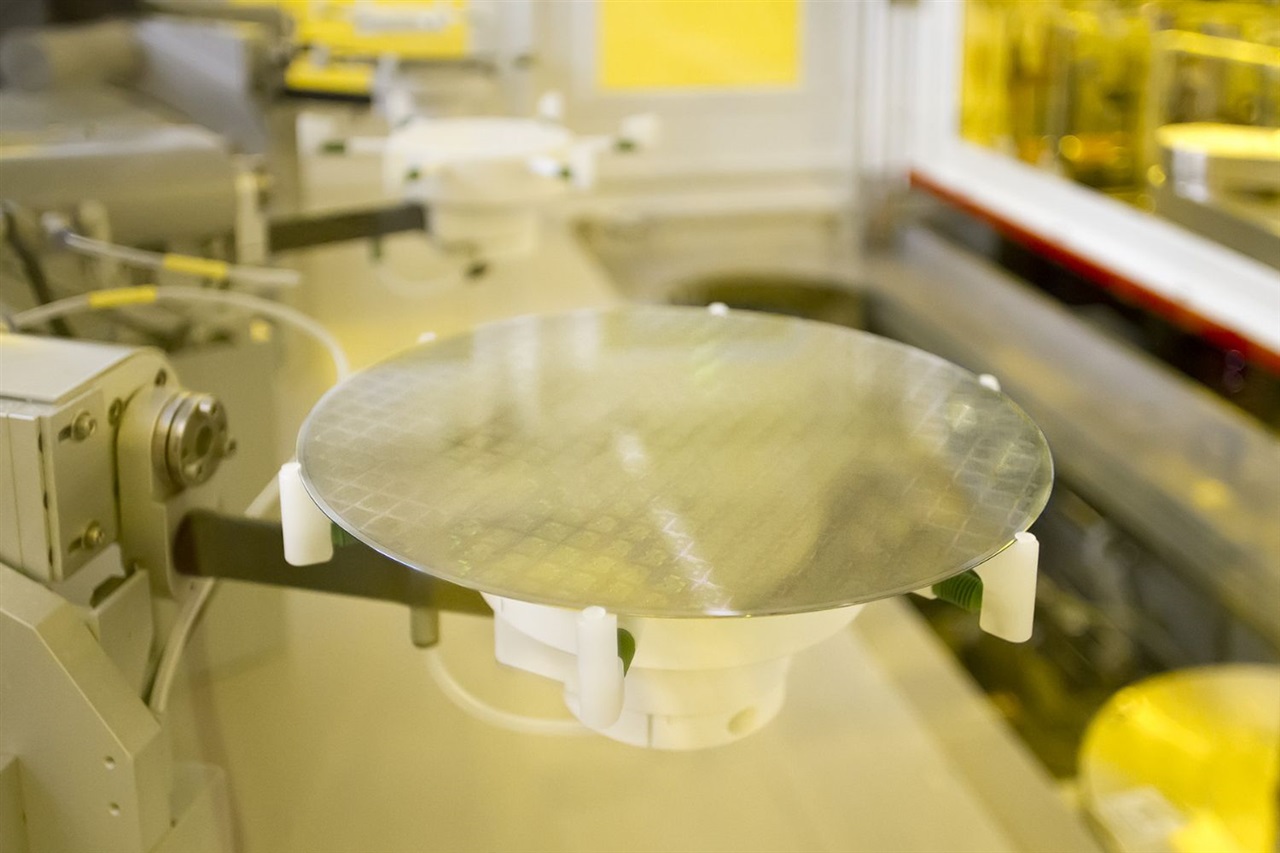
Tower Semiconductor has decided to pre-empt a pivot destined to reshape the architecture of data centers for artificial intelligence: the massive replacement of copper interconnects with optical links. According to the source, the bet focuses on production in Japan, where the Israeli company owns a strategic fab.
The move is not random. Workloads tied to large language models (LLMs) and distributed inference are pushing the physical limits of traditional electrical networks. In environments where thousands of GPUs must exchange tens of terabytes per second, copper becomes a bottleneck: it consumes power, generates heat, and imposes distance limits that complicate rack design. Silicon photonics — the integration of optical components on wafers using CMOS processes — promises higher bandwidth, reduced latency, and a far more favorable thermal profile.
Tower Semiconductor does not compete with high-volume advanced-logic foundries; its value lies in analog, RF, and now photonic processes, niches with less volatile margins and tighter customer relationships. Betting on Japan is not just about exploiting existing manufacturing capacity: it means inserting itself into an ecosystem — Japan's — that boasts historic expertise in precision optics, laser and modulator production, and is now ground for massive government investments aimed at reviving technological sovereignty.
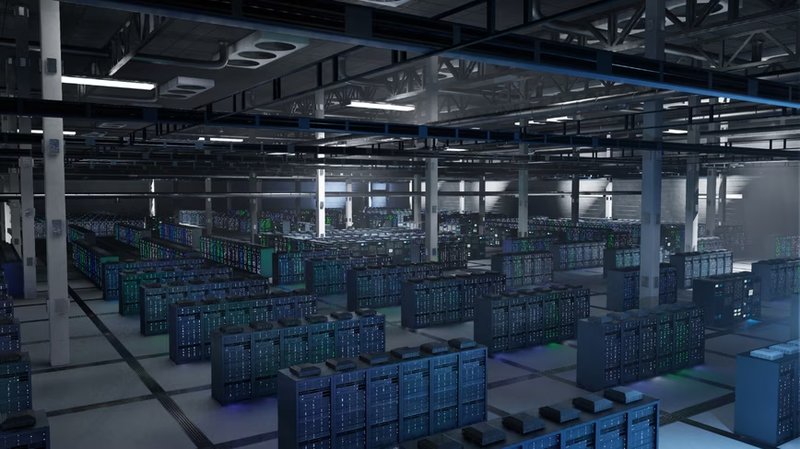
For those managing on-premise or hybrid deployments, the arrival of chip-integrated optical interconnects has second-order implications that go well beyond network speed. Reducing the power dissipated by cabling allows higher compute-node density without blowing the thermal budget, a constraint that often burdens self-hosted clusters. Moreover, simplifying the backplane — with fewer repeaters and active cables — lowers Total Cost of Ownership (TCO) and eases maintenance, key priorities for organizations that have chosen to keep data in-house for compliance or sovereignty reasons.
The stakes must also be read in geopolitical and supply-chain terms. After the failed Intel deal, Tower Semiconductor regained agility. Concentrating optical component production in Japan — outside the tensions surrounding Taiwan — offers customers a supply alternative less exposed to disruption risks. At the same time, it moves the AI data center industry away from exclusive dependence on a handful of switch and optical transceiver vendors, paving the way for more integrated and customizable solutions.
The beneficiaries are hyperscalers, companies building private clouds for LLMs, and system integrators assembling increasingly dense compute pods. Who risks marginalization is the established chain of active copper cabling, but also those network solution manufacturers that have yet to invest in chip-level photonics. In other words, this is not just a faster technology: it is a structural signal that the boundary between semiconductor manufacturing and network architecture is thinning, and that control over interconnects is becoming a competitive lever every bit as important as raw compute power.






💬 Comments (0)
🔒 Log in or register to comment on articles.
No comments yet. Be the first to comment!