The Squeeze on TSMC's Production Capacity
The semiconductor industry is once again under the spotlight due to TSMC's growing difficulties in meeting demand. As the world's leading manufacturer of advanced chips, its production capacity limitations are creating a ripple effect that directly impacts major technology players.
This situation is prompting companies such as Google and Nvidia to reconsider their procurement strategies, seeking alternatives for the fabrication of essential components that power their infrastructures and products, particularly in the field of artificial intelligence and Large Language Models (LLM).
Implications for Advanced Silicon and AI
Reliance on a limited number of foundries for cutting-edge silicon production is a known vulnerability in the technology supply chain. Chips like Nvidia's GPUs and Google's custom AI accelerators (TPUs) require extremely sophisticated manufacturing processes, where TSMC holds a dominant position.
A capacity crunch in this segment not only means delivery delays but also potential cost increases and difficulties in long-term planning for AI system deployments. For companies investing in self-hosted LLM infrastructures, the availability and cost of these components are critical factors that directly influence the Total Cost of Ownership (TCO) and the ability to scale.
Intel as a Strategic Alternative
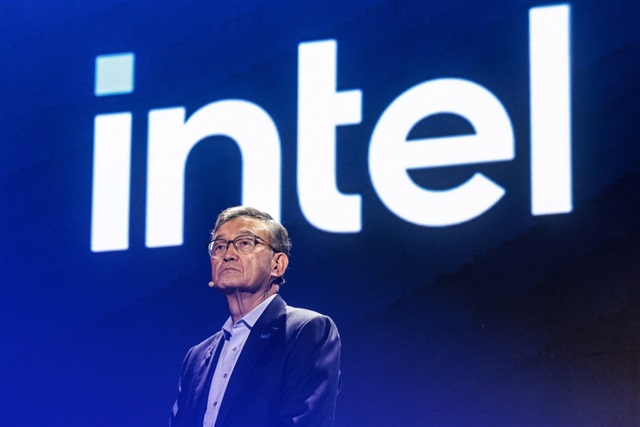
In this context of uncertainty, Intel emerges as an increasingly attractive option. Historically an integrated device manufacturer, Intel has recently intensified its efforts to expand its foundry services (Intel Foundry Services, IFS), offering its production capacity to third parties.
For Google and Nvidia, exploring collaboration with Intel could represent a strategic move to diversify their supply chain and reduce dependence on a single supplier. This diversification is crucial not only to mitigate disruption risks but also to ensure greater autonomy and control over the production of critical hardware, an aspect increasingly relevant for data sovereignty and compliance in air-gapped environments.
Future Prospects for the AI Supply Chain
The search for alternatives by giants like Google and Nvidia underscores the growing awareness of risks associated with a concentrated supply chain. The ability to produce advanced chips has become a strategic asset not only for semiconductor companies but for the entire technology ecosystem.
For CTOs and infrastructure architects evaluating on-premise LLM deployments, hardware availability is a primary constraint. The potential expansion of Intel's role as a foundry could offer more options and greater resilience in the supply chain, influencing future decisions regarding CapEx, OpEx, and scaling strategies for AI workloads. AI-RADAR continues to monitor these dynamics, providing analysis on the trade-offs between different architectures and deployment options.










💬 Comments (0)
🔒 Log in or register to comment on articles.
No comments yet. Be the first to comment!