Cursor valuta un maxi-round di finanziamento da 2 miliardi di dollari
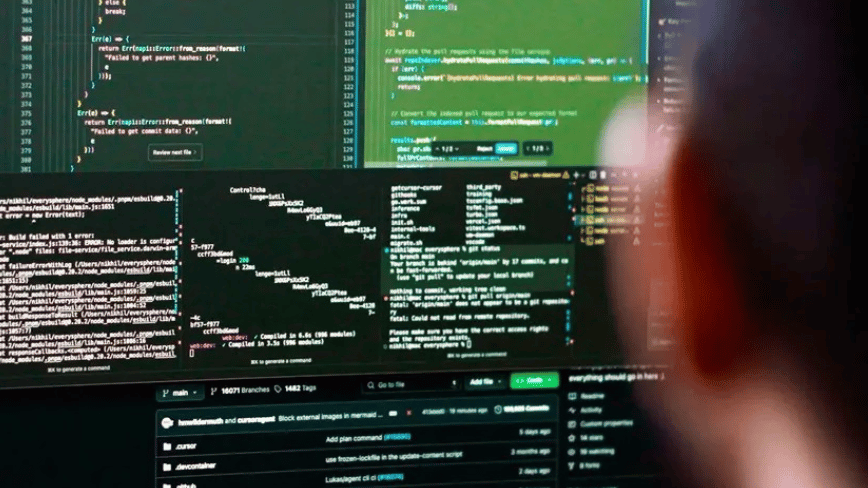
La startup Cursor, nota anche come Anysphere, si trova al centro di trattative per un significativo round di finanziamento. L'azienda, specializzata nello sviluppo di strumenti di coding basati sull'intelligenza artificiale, punta a raccogliere almeno 2 miliardi di dollari, un'operazione che proietterebbe la sua valutazione complessiva a 50 miliardi di dollari. Tra i co-leader di questo potenziale round figurano nomi di spicco del settore come Andreessen Horowitz, Thrive Capital e Nvidia.
Questa nuova valutazione rappresenterebbe un incremento notevole rispetto ai 29,3 miliardi di dollari registrati nel novembre 2025, quasi raddoppiando il valore dell'azienda in un lasso di tempo relativamente breve. La crescita di Cursor è stata particolarmente rapida, passando da zero a 2 miliardi di dollari di ricavi annuali ricorrenti (ARR) in soli tre anni. Questo dato la posiziona come una delle aziende B2B con la crescita più veloce nel panorama attuale.
L'ascesa degli strumenti di coding basati su AI
Il successo di Cursor si inserisce in un trend più ampio che vede gli strumenti di coding basati su intelligenza artificiale emergere come la categoria software con la crescita più rapida. Questi strumenti, che spaziano dagli assistenti alla scrittura di codice ai sistemi di debugging e ottimizzazione, stanno rivoluzionando il modo in cui gli sviluppatori interagiscono con il software e i processi di sviluppo. L'adozione di tali soluzioni è spinta dalla promessa di un aumento significativo della produttività e di una riduzione degli errori.
Per le aziende, l'integrazione di questi strumenti nelle proprie pipeline di sviluppo rappresenta una decisione strategica. Si valuta non solo l'efficienza immediata, ma anche l'impatto a lungo termine sulla qualità del codice, sulla velocità di rilascio e sulla capacità di innovazione. La disponibilità di soluzioni sempre più sofisticate e l'investimento di capitali da parte di attori chiave del settore evidenziano la maturità e il potenziale di questo segmento di mercato.
Implicazioni per le strategie di deployment aziendali
L'adozione di strumenti di coding AI solleva diverse considerazioni per i CTO e gli architetti di infrastruttura. Sebbene la fonte non specifichi il modello di deployment di Cursor, in generale, le aziende che valutano l'integrazione di LLM e strumenti AI nei loro flussi di lavoro devono considerare attentamente i trade-off tra soluzioni basate su cloud e deployment self-hosted o on-premise. Fattori come la sovranità dei dati, la conformità normativa (ad esempio, GDPR) e la sicurezza delle informazioni sensibili diventano prioritari.
Un deployment on-premise, o in ambienti air-gapped, può offrire un controllo maggiore sui dati e sull'infrastruttura, ma comporta costi iniziali (CapEx) e requisiti di gestione più elevati. Al contrario, le soluzioni cloud possono offrire scalabilità e costi operativi (OpEx) più flessibili, ma possono sollevare interrogativi sulla residenza dei dati e sulla dipendenza da fornitori esterni. Per chi valuta i deployment on-premise, AI-RADAR offre framework analitici su /llm-onpremise per valutare questi trade-off, considerando il Total Cost of Ownership (TCO) e le specifiche hardware necessarie per l'inference e il training.
Prospettive future e consolidamento del mercato
Il round di finanziamento di Cursor, con la partecipazione di un attore come Nvidia, sottolinea l'importanza strategica dell'intelligenza artificiale nel settore dello sviluppo software. Nvidia, leader nel silicio per l'AI, vede probabilmente in questi strumenti un catalizzatore per l'adozione delle proprie tecnicie, creando un ecosistema virtuoso. Questo scenario suggerisce un futuro in cui gli strumenti AI saranno sempre più integrati in ogni fase del ciclo di vita del software.
La rapida crescita e le valutazioni elevate in questo segmento indicano un potenziale consolidamento del mercato, con acquisizioni e fusioni che potrebbero ridefinire il panorama competitivo. Le aziende che sapranno offrire soluzioni robuste, sicure e performanti, capaci di integrarsi efficacemente con le infrastrutture esistenti, saranno quelle destinate a guidare l'innovazione e a catturare la quota maggiore di un mercato in espansione.








💬 Commenti (0)
🔒 Accedi o registrati per commentare gli articoli.
Nessun commento ancora. Sii il primo a commentare!