Delays in AI Data Center Construction: An Infrastructure Warning
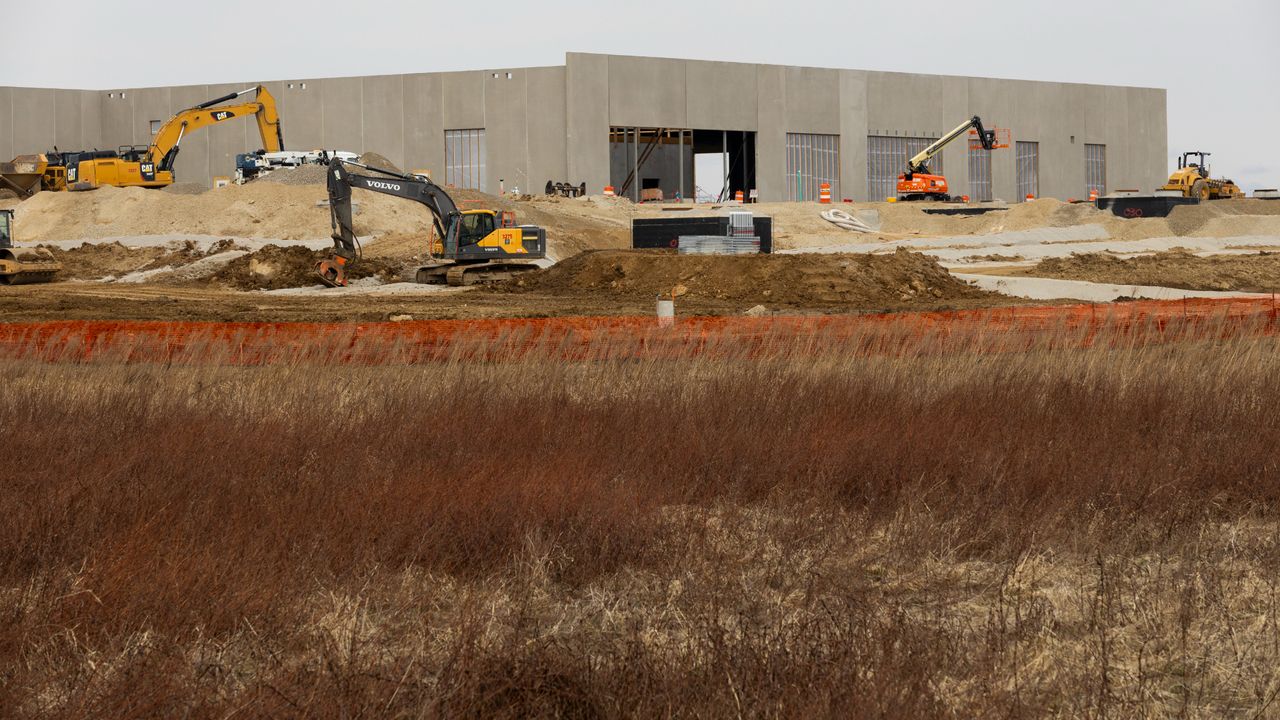
A recent report from an analytics group has raised significant concerns regarding the expansion of artificial intelligence infrastructure. According to their findings, approximately 40% of AI data center construction sites globally are facing potential schedule delays. This estimate contrasts with statements from the involved companies, which deny any slowdowns. However, analysis of satellite imagery appears to support the analytics group's conclusions, indicating a discrepancy between official communications and the actual state of work.
The rapid pace at which the AI industry is growing, driven by demand for Large Language Models (LLM) and other complex applications, makes the availability of adequate infrastructure a top priority. Tech giants like Meta, mentioned in the context of data centers, are among the main players investing heavily in these facilities. Delays, if confirmed on a large scale, could have significant repercussions across the entire AI development and deployment pipeline.
The Complexities Behind Infrastructure Expansion
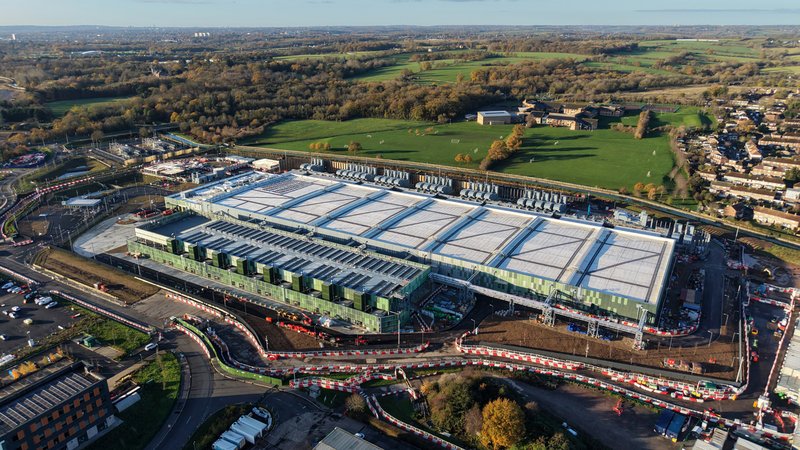
Building a modern data center, especially one optimized for AI workloads, is an extremely complex undertaking. It involves not just erecting buildings, but integrating high-density power systems, advanced cooling solutions to manage the heat generated by thousands of GPUs, and low-latency, high-throughput network infrastructure. The demand for specific hardware, such as latest-generation GPUs with high VRAM, and the need for specialized labor can easily create bottlenecks.
These factors, combined with potential global supply chain challenges or local regulatory hurdles, can contribute to unforeseen slowdowns. For companies planning the deployment of LLMs and other AI applications, the availability of these data centers is crucial to ensure the necessary compute capacity for inference and, in some cases, for fine-tuning proprietary models.
Implications for On-Premise Deployments and TCO
Data center construction delays directly impact deployment strategies, particularly for organizations evaluating self-hosted or hybrid solutions. The choice of an on-premise infrastructure is often driven by data sovereignty requirements, regulatory compliance, or the desire to maintain complete control over the operational environment, including air-gapped scenarios. However, reliance on new physical facilities introduces significant risk.
A prolongation of construction times translates into an increase in Total Cost of Ownership (TCO), not only due to direct construction costs but also because of delayed Return on Investment (ROI) and the potential need to resort to more expensive cloud solutions in the interim. For those evaluating on-premise deployment, it is essential to consider these trade-offs and potential infrastructural constraints. AI-RADAR offers analytical frameworks on /llm-onpremise to thoroughly assess these aspects, providing tools to compare CapEx and OpEx and to mitigate risks related to hardware and underlying infrastructure availability.
Outlook and the Need for Transparency
The discrepancy between company statements and external evidence, such as satellite imagery, underscores the importance of independent monitoring and greater transparency in the sector. As the race for AI continues at a rapid pace, the ability to build and operationalize the necessary infrastructure will be a decisive factor for success.
For companies investing in AI, understanding realistic delivery times and potential obstacles is essential for effective strategic planning. Supply chain resilience and the ability to rapidly scale physical infrastructure remain central challenges, with direct implications for competitiveness and innovation in the artificial intelligence landscape.








💬 Comments (0)
🔒 Log in or register to comment on articles.
No comments yet. Be the first to comment!