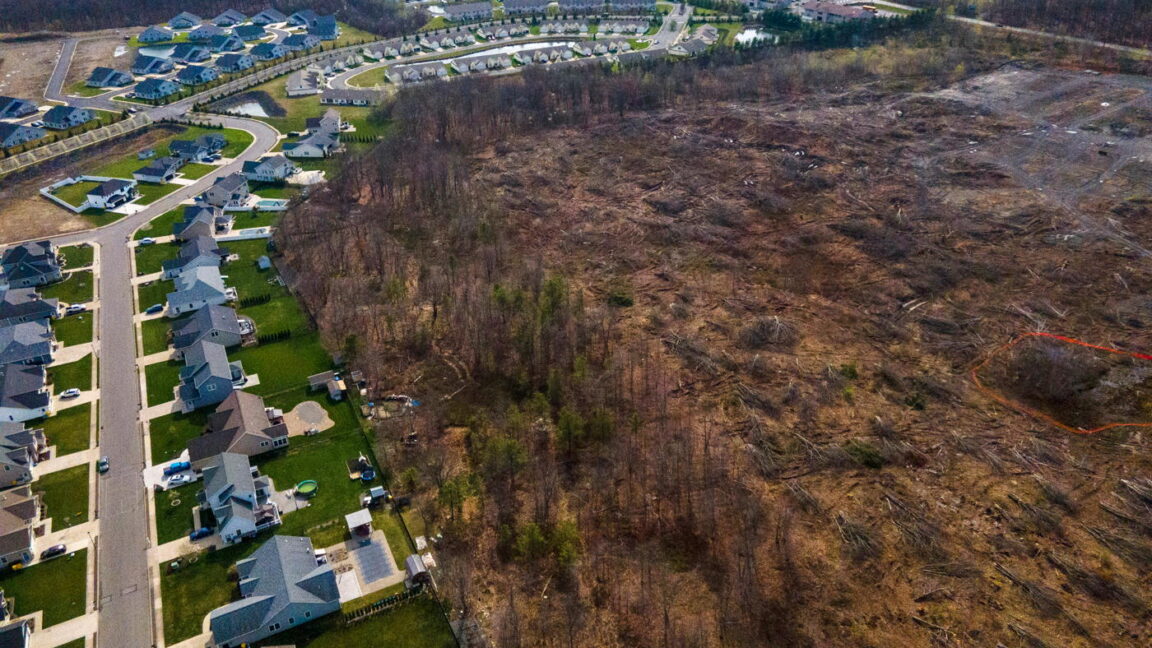
Growing Opposition to Data Centers in Pennsylvania
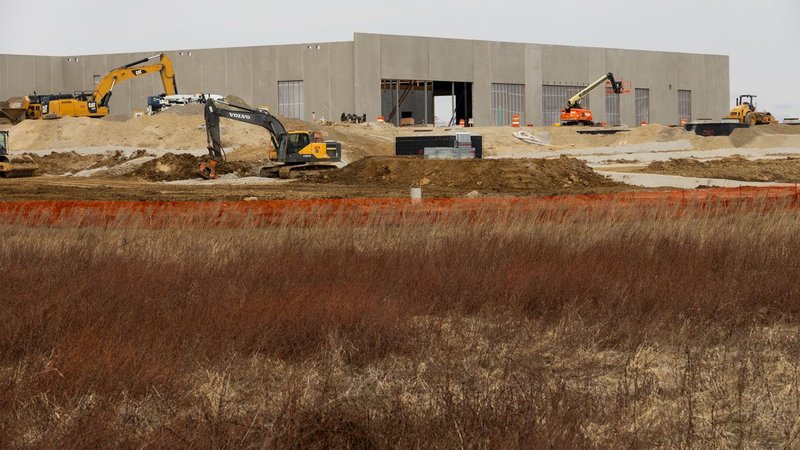
The rapid proliferation of data centers in Pennsylvania is encountering increasing resistance from local communities. A recent online town hall meeting highlighted deep discontent among residents, who complain about inadequate management of this infrastructure expansion by the state. Approximately 225 people attended the forum, where over 20 speakers voiced their concerns over two hours.
The main complaints revolve around the environmental and economic impact of these facilities. Citizens attribute rising electricity prices, significant water consumption, noise pollution, and the progressive industrialization of rural areas to data centers. Governor Josh Shapiro, who has attempted to balance welcoming data centers with introducing certain safeguards, was also a frequent target of criticism.
Impact and Implications for AI Infrastructure
The concerns raised in Pennsylvania are not isolated and reflect a broader debate on the impact of digital infrastructure, especially that dedicated to AI and Large Language Models (LLM) workloads. For companies evaluating on-premise LLM deployment, these factors become crucial in planning the Total Cost of Ownership (TCO) and site selection. Energy and water are fundamental resources for powering and cooling high-density GPU servers, which are essential for inference and training of complex models.
A modern data center, particularly one optimized for AI, requires a significant amount of electricity and efficient cooling systems, often water-based. This translates into a substantial ecological and infrastructural footprint. The choice of a site for a self-hosted AI deployment must therefore consider not only the availability of connectivity and space but also the capacity of the local electrical grid, water availability, and community acceptance.
Transparency and Public Trust: A Crucial Issue
Jennifer Dusart, a small business owner and resident of Mechanicsburg, emphasized how the issue is deeply linked to public trust and transparency. According to Dusart, too many citizens learn about these projects only after key decisions have already been made. This lack of early involvement and open dialogue creates a feeling of "being bulldozed over," with residents' concerns often dismissed as "uninformed, emotional, or anti-progress."
For organizations investing in AI infrastructure, managing relationships with local communities is an increasingly relevant aspect. A large-scale deployment, whether for a commercial data center or an enterprise self-hosted infrastructure, can generate tensions if not communicated and managed carefully. Data sovereignty and control over infrastructure are priorities for many, but they must not disregard the sustainability and social acceptance of the project.
Future Perspectives for On-Premise Deployments
The debate in Pennsylvania highlights growing public awareness regarding the environmental and social impact of digital infrastructure. For CTOs and infrastructure architects considering on-premise solutions for their AI workloads, this scenario necessitates a more holistic evaluation. Beyond hardware specifications like GPU VRAM or throughput, it is essential to consider the long-term TCO, which includes not only acquisition and operational costs but also potential costs related to community relations management and environmental compliance.
The choice between on-premise and cloud deployment for LLMs is not just a technical or economic matter but also a strategic one, touching on aspects of sustainability and social responsibility. AI-RADAR offers analytical frameworks on /llm-onpremise to evaluate these complex trade-offs, helping companies make informed decisions that balance performance, costs, data sovereignty, and environmental impact. The ability of an infrastructure to integrate harmoniously into its local context will become an increasingly important distinguishing factor.








💬 Comments (0)
🔒 Log in or register to comment on articles.
No comments yet. Be the first to comment!