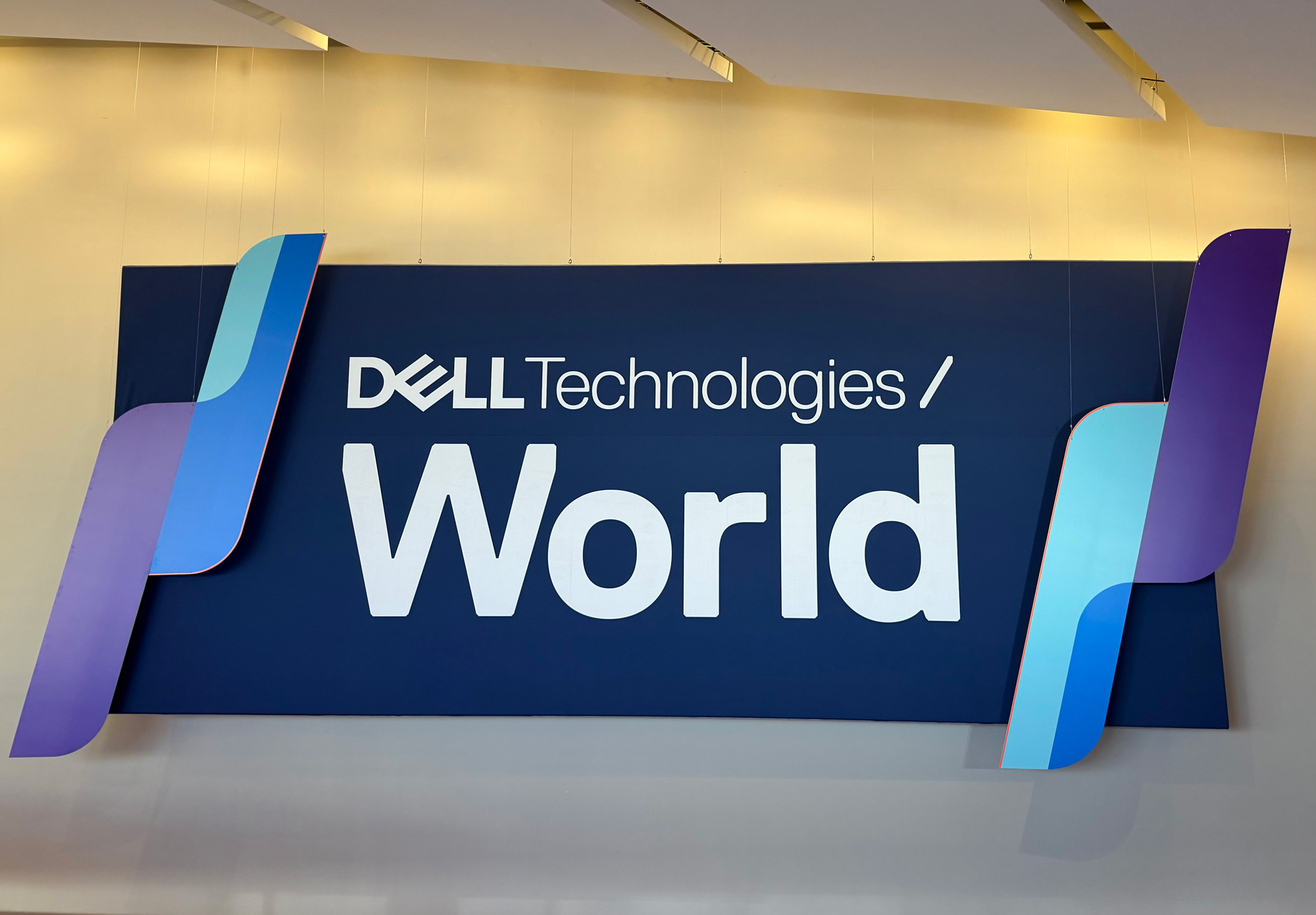
Dell Tech World 2026: Sovereign and On-Premises AI at the Core
Dell dedicated the first day of its annual event, Dell Tech World 2026, entirely to the world of artificial intelligence and its collaboration with NVIDIA. The focus was particularly on sovereign AI and on-premises deployments, topics that are gaining increasing relevance in the enterprise technology landscape.
The company announced the creation of new AI-specific ecosystems, designed to support both client and server applications. This strategic move underscores Dell's commitment to providing comprehensive solutions that meet the control, security, and performance requirements of organizations implementing critical AI workloads.
The Value of Sovereign AI and On-Premises Deployments
The concept of sovereign AI is fundamental for companies operating in regulated sectors or handling sensitive data. It implies the ability to maintain full control over data, models, and AI infrastructure, ensuring compliance with local and international regulations, such as GDPR. On-premises, or self-hosted, deployments are a cornerstone of this approach, allowing organizations to avoid the complexities and potential risks associated with managing data in public cloud environments.
Adopting an on-premises AI infrastructure offers numerous benefits, including reduced latency, greater hardware and software customization, and more granular control over security. While the initial investment can be significant, a long-term TCO (Total Cost of Ownership) analysis often reveals that on-premises solutions can be more cost-effective than recurring cloud operational expenses, especially for intensive AI workloads requiring high amounts of VRAM and throughput.
Trade-offs and Strategic Decisions for Enterprise AI
The choice between an on-premises and a cloud-based AI deployment is not trivial and involves a series of trade-offs. Cloud solutions offer rapid scalability and low initial costs but can present challenges in terms of data sovereignty, security, and unpredictable operational costs at scale. Conversely, on-premises ensures maximum control and the ability to create air-gapped environments for ultimate security but requires in-house expertise and a higher upfront investment in hardware and infrastructure.
For organizations evaluating these alternatives, it is crucial to carefully analyze their specific requirements in terms of compliance, performance, and budget. AI-RADAR, for example, offers analytical frameworks to assess the trade-offs of on-premises LLM deployments, providing tools for informed decision-making. The creation of integrated ecosystems, such as those proposed by Dell, aims to simplify this process by offering pre-validated solutions that reduce implementation complexity.
Future Prospects for Enterprise AI
The direction taken by Dell at Tech World 2026 reflects a broader trend in the enterprise sector: the growing demand for AI solutions that combine computing power with the need for control and security. The emphasis on sovereign and on-premises AI positions Dell as a key player for companies seeking to leverage artificial intelligence without compromising their data autonomy.
Continued collaboration with partners like NVIDIA is essential to provide the necessary hardware capabilities for training and inference of Large Language Models (LLM) and other complex AI workloads. The future of enterprise AI will likely be characterized by hybrid architectures, where companies balance the advantages of the cloud with the security and control offered by self-hosted solutions, optimizing TCO and ensuring the sovereignty of their digital assets.









💬 Comments (0)
🔒 Log in or register to comment on articles.
No comments yet. Be the first to comment!