
Introduction: The Race for Silicio and EUV Challenges
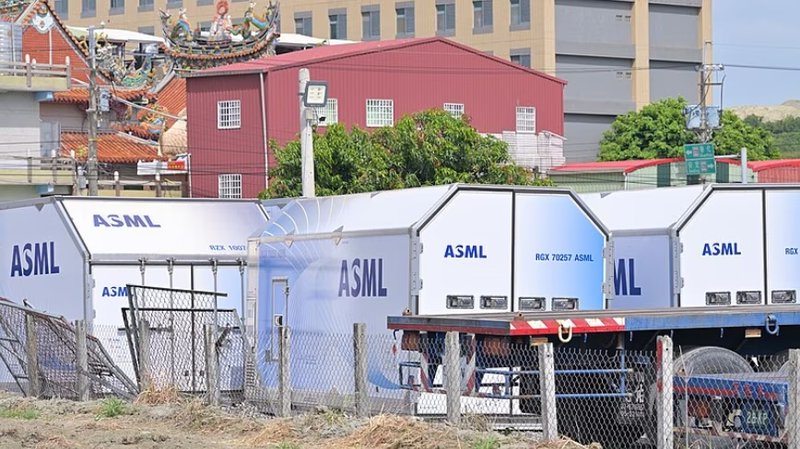
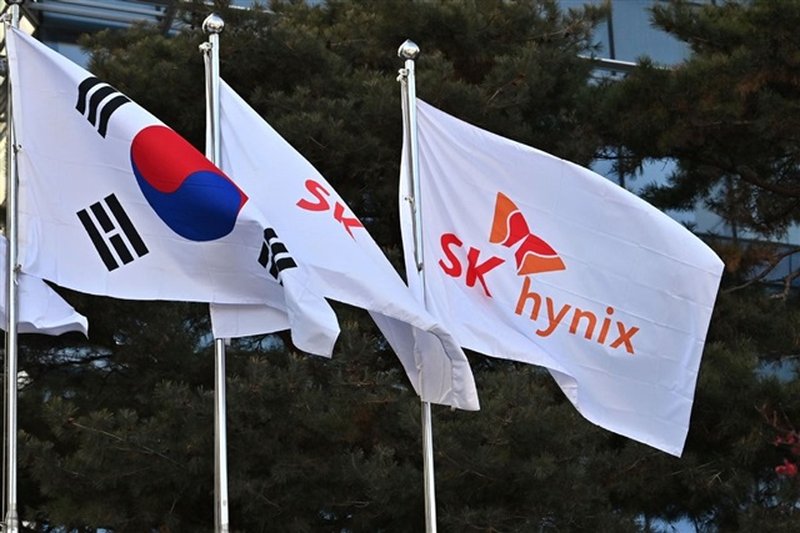
ASML, a key player in the global chip manufacturing supply chain, is preparing to release its latest financial results. The context preceding this announcement is marked by reports indicating that companies like SK Hynix and TeraFab are already encountering significant difficulties with Extreme Ultraviolet (EUV) lithography production capacity.
This technology is fundamental for the fabrication of the most advanced semiconductors, which are in turn essential for powering the current boom in artificial intelligence and, specifically, Large Language Models (LLMs). Challenges in EUV capacity can have cascading repercussions across the entire technology ecosystem, affecting the availability and cost of critical AI hardware.
The Critical Role of EUV Lithography
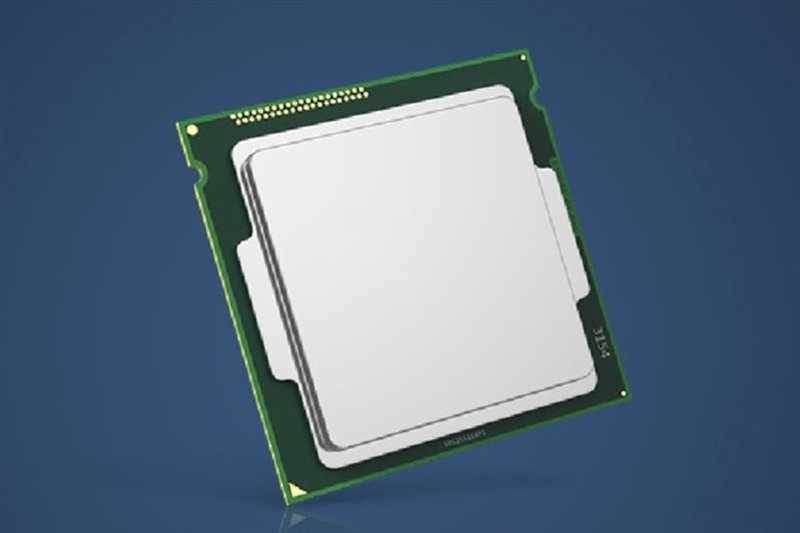
EUV lithography represents a cutting-edge technology that allows for the printing of integrated circuits with increasingly smaller nanometric dimensions. This precision is indispensable for producing the latest generation of chips, such as those based on 3nm or 5nm nodes, which power the high-performance GPUs and AI accelerators required for training and Inference of complex LLMs.
The reported capacity difficulties for SK Hynix and TeraFab suggest a potential bottleneck in the global supply chain for these critical components. For companies planning on-premise LLM deployments, the availability and cost of advanced silicio are decisive factors that can directly influence the feasibility and scalability of their projects.
Implications for On-Premise AI Deployments
EUV capacity scarcity can translate into longer lead times and potentially higher costs for AI hardware, such as GPUs with high VRAM, which are essential for LLM workloads. This scenario directly impacts the Total Cost of Ownership (TCO) of self-hosted AI projects, making infrastructural planning even more complex and requiring proactive supply chain management.
Organizations prioritizing data sovereignty, compliance, and security in air-gapped environments must carefully consider the resilience of their hardware supply chain. The reliance on a limited number of EUV technology providers highlights a potential market vulnerability that can influence strategic deployment decisions.
Outlook and Mitigation Strategies
In a context of limited supply of advanced silicio, companies may need to explore alternative strategies to optimize the use of available resources. These include optimizing LLM models through techniques such as Quantization to reduce VRAM requirements, or adopting more efficient hardware architectures that maximize Throughput per token.
Carefully monitoring developments in silicio production capacity and diversifying suppliers, where possible, becomes crucial to ensure the continuity of AI projects. For those evaluating on-premise deployments, AI-RADAR offers analytical frameworks on /llm-onpremise to assess the trade-offs between different deployment strategies, helping companies navigate these complexities and make informed decisions for their AI infrastructure.






💬 Comments (0)
🔒 Log in or register to comment on articles.
No comments yet. Be the first to comment!