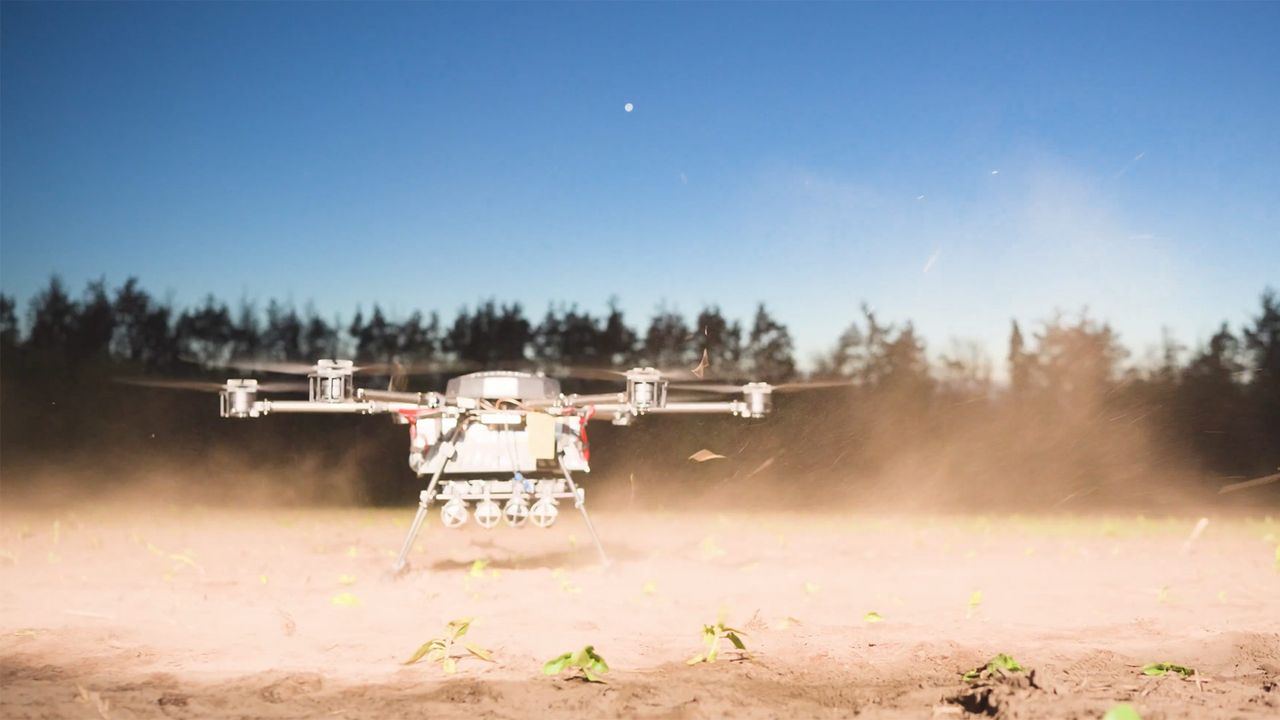
AI on the Battlefield: A Historic Precedent
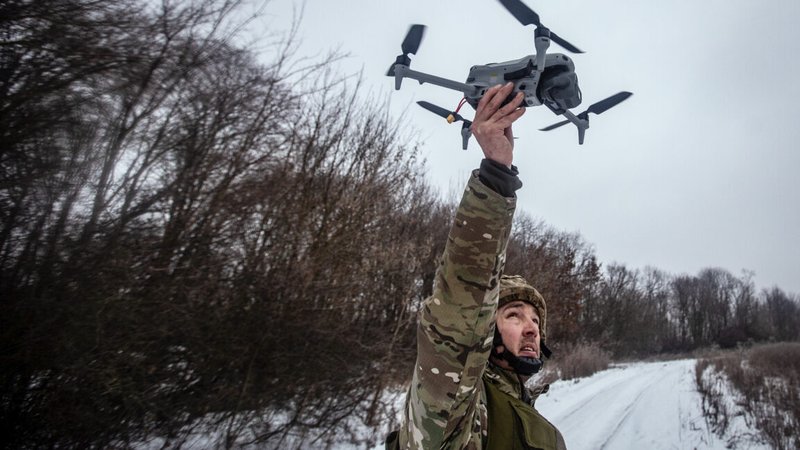
Two years ago, the conflict in Ukraine marked a turning point in the deployment of artificial intelligence in warfare. According to reports, Ukrainian forces allegedly used ten autonomous drones, dubbed 'Terminator,' to engage and neutralize Russian soldiers. This event, described by a senior Ukrainian defense industry figure, would represent the first documented instance of fully autonomous killings by AI-powered systems, with the quadcopters reportedly leaving 'everything dead' in their path.
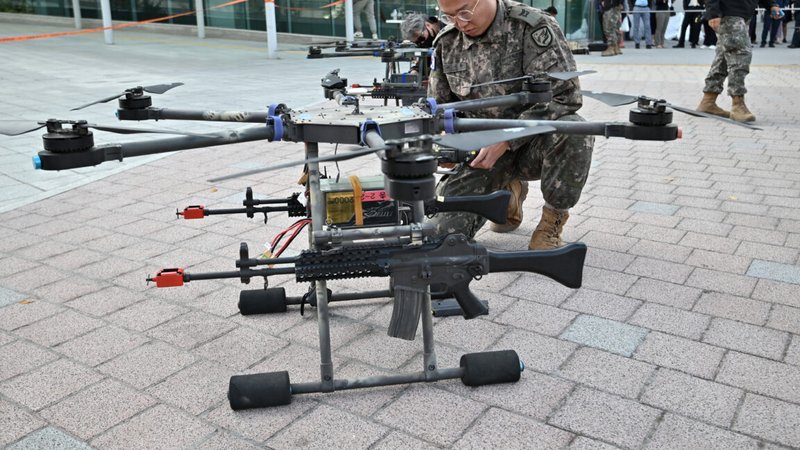
This episode raises crucial questions about the ethical, legal, and strategic implications of integrating AI into weapon systems. While the specific technical details of the 'Terminator' drones have not been made public, the claim of fully autonomous action indicates a level of sophistication beyond mere remote control, delegating the final engagement decision to the machine.
Technical Implications of Autonomous Edge Systems
The operation of autonomous drones in a hostile environment like a battlefield requires robust technological infrastructure, often based on edge computing and air-gapped environments principles. To function independently, these systems must integrate perception, analysis, and decision-making capabilities directly onboard, without relying on constant connections to remote servers. This implies the use of specialized silicon, such as GPUs or NPUs (Neural Processing Units) with sufficient VRAM and computing power to execute computer vision models and decision algorithms in real-time.
Designing such systems must consider strict constraints in terms of power consumption, shock resistance, and the ability to operate in extreme conditions. The need to process sensory data (images, radar, lidar) and make critical decisions with low latency makes the self-hosted and on-premise (or in this case, on-device) approach not only preferable but often indispensable. This ensures data sovereignty and operational resilience, fundamental elements when human lives are at stake and communications can be interrupted or compromised.
Context and Implications for Control and Sovereignty
The deployment of autonomous drones in Ukraine accelerates the global debate on Lethal Autonomous Weapons Systems (LAWS). The central question concerns the degree of human control required and accountability in case of errors or violations. For organizations evaluating the deployment of critical AI solutions, both military and civilian, the Ukrainian episode underscores the importance of maintaining total control over the entire AI pipeline, from the model training phase to its operational deployment.
This scenario highlights how data sovereignty and infrastructure control are paramount. On-premise or air-gapped deployment decisions become crucial to ensure AI systems operate according to predefined parameters, without external dependencies that could compromise security or operational integrity. For those evaluating on-premise deployment, AI-RADAR offers analytical frameworks on /llm-onpremise to assess the trade-offs between control, security, and TCO in complex scenarios.
Future Prospects and the Challenge of Control
The event in Ukraine is not just a historical fact but a precursor to what could become the norm in future conflicts. The evolution of Large Language Models (LLM) and other forms of artificial intelligence continues to push the boundaries of autonomous capabilities, making the definition of international regulations and security protocols increasingly urgent. The ability to fine-tune and quantization AI models to operate on resource-constrained hardware, such as drones, is a rapidly evolving technological frontier.
The challenge for the technological community and policymakers will be to balance innovation with responsibility. Ensuring that AI systems, especially those with lethal capabilities, are developed and deployed with robust ethics and rigorous control mechanisms is fundamental. The Ukrainian episode serves as a reminder of the importance of thoroughly understanding the implications of autonomous systems and investing in infrastructures that allow unequivocal control over the technology.







💬 Comments (0)
🔒 Log in or register to comment on articles.
No comments yet. Be the first to comment!