
Un Precedente Storico nell'Impiego di Sistemi Autonomi
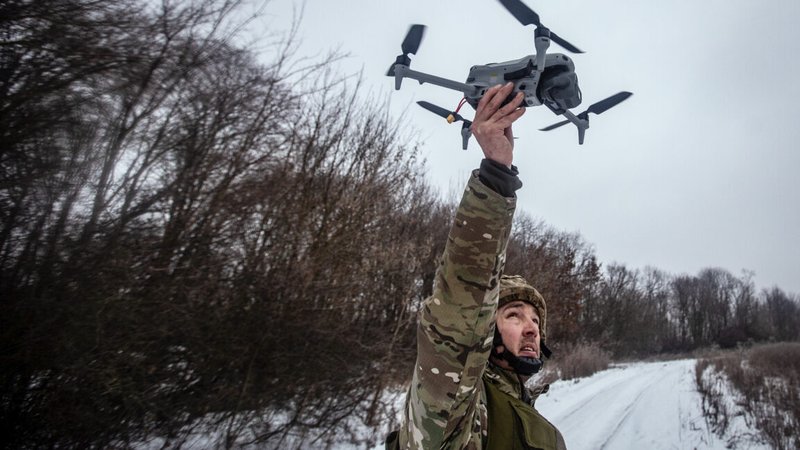
Il Presidente ucraino Volodymyr Zelensky ha recentemente annunciato un evento che segna un punto di svolta nella storia della guerra moderna. Per la prima volta, le forze armate ucraine hanno conquistato una posizione nemica utilizzando esclusivamente sistemi senza equipaggio. Questa operazione, condotta senza il coinvolgimento diretto di fanteria o soldati umani sul terreno conteso, rappresenta un precedente significativo nell'applicazione della robotica e dei droni in scenari bellici.
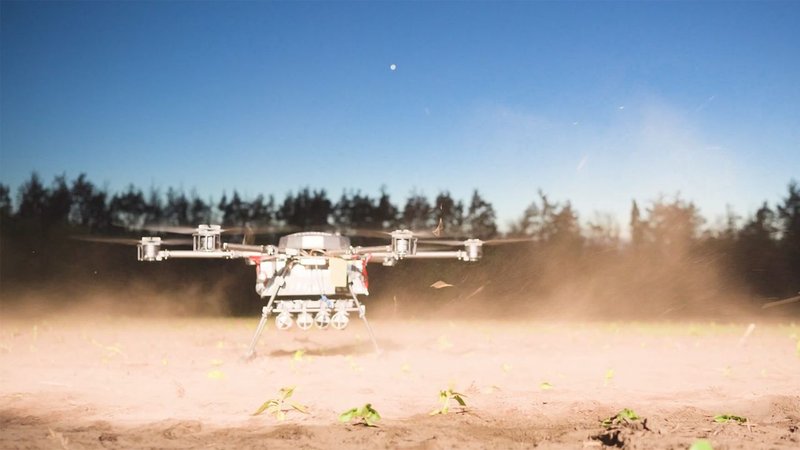
L'annuncio ha specificato che droni e robot terrestri hanno operato in sinergia per identificare l'obiettivo, sopprimere il fuoco difensivo avversario e, infine, assicurare la posizione. L'assenza di perdite umane dirette sul campo di battaglia, grazie all'impiego di queste tecnicie, sottolinea una trasformazione potenziale nelle strategie militari e nelle dinamiche operative.
La Robotica Autonoma e le Sfide del Deployment
L'impiego di sistemi autonomi in contesti così critici solleva questioni fondamentali riguardo alla loro architettura e al loro deployment. La capacità di identificare un bersaglio, valutare una minaccia e agire di conseguenza richiede algoritmi sofisticati, spesso basati su modelli di intelligenza artificiale che eseguono inference in tempo reale. Questi sistemi devono operare in ambienti ostili, dove la connettività può essere limitata o assente, rendendo essenziale l'elaborazione dei dati direttamente sull'edge.
Ciò implica che i robot e i droni devono essere dotati di capacità di calcolo robuste, spesso con unità di elaborazione grafica (GPU) dedicate, per gestire carichi di lavoro intensivi come la visione artificiale e la pianificazione autonoma. Il deployment di tali tecnicie in scenari "air-gapped" o con scarsa infrastruttura di rete impone requisiti stringenti in termini di resilienza, autonomia energetica e capacità di auto-diagnosi. La necessità di un'elevata affidabilità e di un basso latency è cruciale per il successo di missioni complesse, dove ogni decisione può avere conseguenze dirette.
Implicazioni per il TCO e la Sovranità dei Dati
L'adozione su larga scala di sistemi robotici avanzati porta con sé considerazioni economiche e strategiche significative, in particolare per quanto riguarda il Total Cost of Ownership (TCO). Sebbene l'investimento iniziale in ricerca, sviluppo e produzione possa essere elevato, il potenziale risparmio in termini di vite umane e i costi operativi a lungo termine, inclusi quelli di addestramento e supporto logistico per il personale, possono giustificare tali spese.
Per le organizzazioni che valutano il deployment di soluzioni AI e robotica, specialmente in settori sensibili come la difesa, la sovranità dei dati e la compliance sono aspetti prioritari. La gestione dei dati raccolti da questi sistemi, la loro elaborazione e archiviazione devono aderire a normative stringenti, spesso richiedendo infrastrutture self-hosted o on-premise per garantire il controllo totale e la sicurezza delle informazioni. AI-RADAR offre framework analitici su /llm-onpremise per valutare i trade-off tra soluzioni self-hosted e cloud, un aspetto cruciale per chi opera con dati sensibili.
Il Mercato della Robotica e le Prospettive Future
Il successo operativo in Ucraina ha avuto un impatto diretto anche sul mercato: l'azienda responsabile dello sviluppo di questi robot ha raggiunto una valutazione di un miliardo di dollari, acquisendo lo status di "unicorn". Questo dato evidenzia la crescente fiducia degli investitori nel potenziale trasformativo della robotica avanzata e dei sistemi autonomi.
Il settore della difesa è solo uno dei campi in cui la robotica sta ridefinendo i paradigmi operativi. Dalla logistica all'esplorazione, dalla sorveglianza alla gestione delle emergenze, i sistemi autonomi promettono di migliorare l'efficienza e la sicurezza. Tuttavia, il loro sviluppo e deployment richiedono un'attenta valutazione dei trade-off tra capacità tecnicica, costi, implicazioni etiche e la necessità di mantenere un controllo umano significativo, specialmente in contesti ad alto rischio. La strada verso una piena autonomia è ancora lunga, ma gli eventi recenti dimostrano che il futuro è già qui.







💬 Commenti (0)
🔒 Accedi o registrati per commentare gli articoli.
Nessun commento ancora. Sii il primo a commentare!