
Un GigaLab autonomo per l'innovazione dei materiali guidata dall'AI
Dunia Innovations, azienda deeptech con sede a Berlino, ha annunciato un investimento significativo di 280 milioni di euro per la realizzazione del GigaLab. Questa nuova struttura, estesa su 6.000 metri quadrati nella capitale tedesca, è concepita come un centro di ricerca e sviluppo completamente autonomo, focalizzato sull'accelerazione dell'innovazione nel campo dei materiali attraverso l'intelligenza artificiale.
L'obiettivo primario del GigaLab è affrontare il crescente "collo di bottiglia" nella verifica dei materiali, un problema emerso con l'adozione sempre più diffusa di metodologie di progettazione guidate dall'AI. La capacità di testare e validare rapidamente nuovi materiali è cruciale per l'avanzamento tecnicico in numerosi settori, dall'automotive all'elettronica, e questa iniziativa si propone come una risposta strategica a livello europeo.
Il ruolo dell'infrastruttura on-premise e dei partner tecnicici
Il progetto GigaLab si distingue per la sua natura di infrastruttura autonoma, un modello che enfatizza il controllo diretto sui dati e sui processi di ricerca. Questa scelta di deployment on-premise è particolarmente rilevante per settori che richiedono elevati standard di sovranità dei dati, sicurezza e performance specifiche, difficilmente replicabili in ambienti cloud pubblici per carichi di lavoro così intensivi e proprietari.
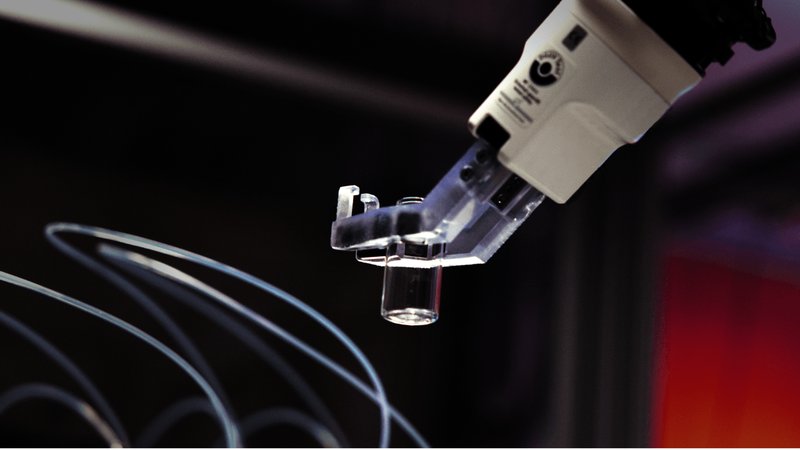
L'iniziativa beneficia del supporto di partner industriali e tecnicici di primo piano, tra cui Siemens, ABB Robotics, NVIDIA, AWS e ILS. La presenza di NVIDIA suggerisce un'infrastruttura di calcolo robusta, probabilmente basata su GPU ad alte prestazioni, essenziale per l'addestramento e l'Inference di Large Language Models (LLM) e altri modelli di AI complessi. ABB Robotics, d'altra parte, indica un'automazione avanzata dei processi di laboratorio, un elemento chiave per l'autonomia della struttura. Siemens e AWS completano il framework, fornendo rispettivamente competenze nell'automazione industriale e potenziali servizi ibridi o di gestione dati.
Implicazioni per la sovranità dei dati e il TCO
La decisione di Dunia Innovations di investire in una struttura fisica dedicata a Berlino sottolinea una tendenza crescente tra le aziende che gestiscono dati sensibili o processi critici: la preferenza per soluzioni self-hosted. Questo approccio garantisce un controllo senza precedenti sulla sicurezza, sulla compliance normativa (come il GDPR) e sulla localizzazione dei dati, aspetti fondamentali per la ricerca e lo sviluppo di materiali innovativi che spesso comportano proprietà intellettuale di alto valore.
Dal punto di vista del Total Cost of Ownership (TCO), un investimento iniziale significativo come quello del GigaLab può tradursi in costi operativi più prevedibili e potenzialmente inferiori nel lungo termine, rispetto ai modelli basati su abbonamento cloud, specialmente per carichi di lavoro costanti e ad alta intensità di calcolo. Per le organizzazioni che valutano deployment on-premise per i propri carichi di lavoro AI/LLM, AI-RADAR offre framework analitici su /llm-onpremise per valutare i trade-off tra CapEx e OpEx, e le implicazioni per la sovranità dei dati.
Prospettive future per l'innovazione europea
Il GigaLab di Dunia Innovations rappresenta un passo significativo per rafforzare la posizione dell'Europa nel campo della ricerca e sviluppo di materiali avanzati guidati dall'AI. Creando un'infrastruttura autonoma e all'avanguardia, l'azienda mira non solo a superare le attuali limitazioni nella verifica dei materiali, ma anche a stabilire nuovi standard per l'innovazione industriale. Questa iniziativa potrebbe fungere da catalizzatore per ulteriori investimenti in infrastrutture AI self-hosted, promuovendo un ecosistema di ricerca e produzione più resiliente e controllato a livello locale. L'enfasi sull'autonomia e sull'integrazione di tecnicie AI e robotica prefigura un futuro in cui la scoperta e lo sviluppo di nuovi materiali saranno radicalmente accelerati, con impatti positivi su un'ampia gamma di settori industriali.






💬 Commenti (0)
🔒 Accedi o registrati per commentare gli articoli.
Nessun commento ancora. Sii il primo a commentare!