The news is all in the title: Apple researchers turn idle Macs into a virtual GPU cloud with ‘Minions’. There are no technical details in the source, only an announcement of a project that aims to turn idle Macs into a virtual GPU computing resource. For anyone following the dynamics of local LLM deployment, however, that title is enough to open a structural reflection.
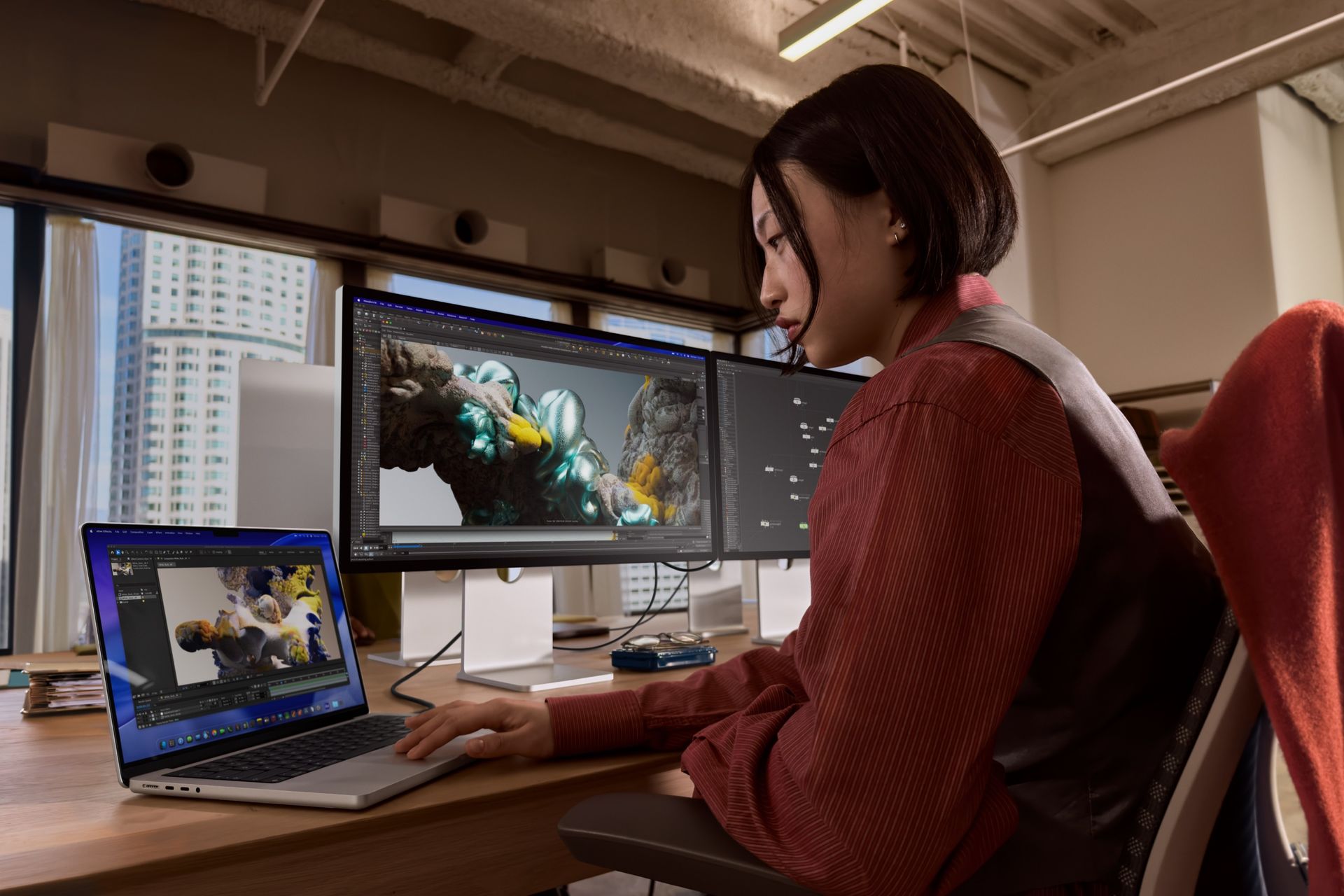
In recent years, the cost of cloud GPUs has pushed many organizations to look at the hardware already present in their offices, labs, or developer workstations. Macs with Apple Silicon have an interesting characteristic for inference: unified memory allows loading models that on discrete cards would require more VRAM. But a single Mac, however powerful, remains limited. The idea of aggregating multiple idle machines into a single virtual pool changes the perspective: it is no longer about optimizing a single device, but about building a small distributed infrastructure made of resources that would otherwise stay idle.
The Minions project, according to the title, fits into this pattern. The name suggests a swarm-like approach: many small nodes collaborating to run a workload larger than any single one could handle alone. This is a shift in logic compared to traditional cloud, where GPUs are concentrated in data centers and rented by the hour. Here the machine fleet is local, heterogeneous, and intermittent: some Macs will be connected via wired network, others via wireless, some with competing workloads, others completely free. The challenge is not only technical — orchestration, model partitioning, latency — but also about incentives: who decides when a Mac is truly 'idle' and how it is returned to its owner?
For teams evaluating on-premise or hybrid deployments, this approach has second-order implications. If aggregating existing devices becomes simple and robust, the TCO of an already amortized Mac fleet could make renting cloud GPUs less attractive for intermittent inference workloads. We are not talking about large-scale distributed training, but about scenarios such as overnight batches, lightweight fine-tuning, or serving small and medium-sized models. In these cases, internal network latency and machine availability matter more than the power of a single card.
Who gains and who loses? Organizations with existing Apple fleets gain, as they see a use emerging for otherwise underutilized hardware. Teams that want to keep data within their own boundaries, without moving it to external clouds, also gain. Cloud GPU providers lose, marginally, because every workload shifted to local resources reduces rental demand. But the game is not yet decided: managing a heterogeneous swarm requires orchestration skills that not all companies have in-house.
Structurally, the news signals that distributed inference is leaving the experimental phase. It is no longer just a data center issue: the idea of using existing nodes, even consumer or professional ones, to build local compute capacity is gaining ground. If Apple is investing research in this area, we can expect the market for orchestration and scheduling tools for heterogeneous hardware workloads to become more mature. It is not certain that Minions will become a product, but the signal is clear: data sovereignty and efficient use of existing hardware are becoming central themes even for those designing operating systems and chips.
One open question remains: how realistic is it to maintain a pool of idle Macs without interfering with everyday machine use? The answer will determine whether this approach remains confined to labs or enters real pipelines.






💬 Comments (0)
🔒 Log in or register to comment on articles.
No comments yet. Be the first to comment!