
European Tech Market Accelerated by AI and Infrastructure
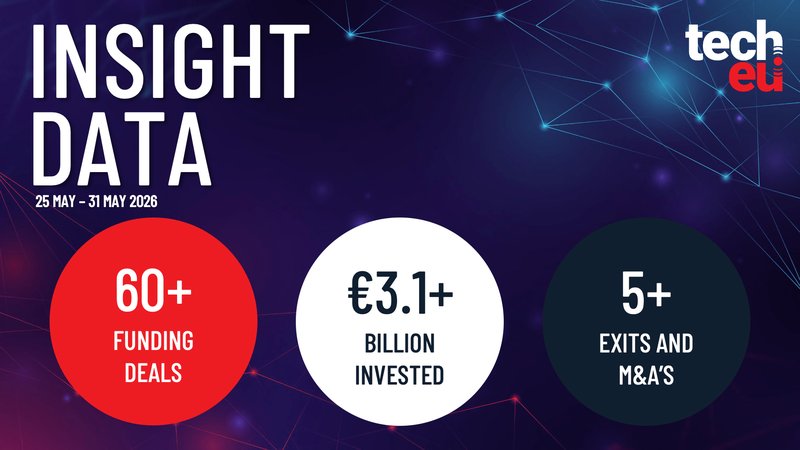
Last week, the European technology sector was highly active, with over €2.3 billion in investments across more than 55 funding deals. This dynamism reflects a clear trend: artificial intelligence continues to catalyze significant capital, while simultaneously driving the development of increasingly specialized infrastructure. Acquisitions and strategic partnerships highlight a race for innovation touching various sectors, from finance to logistics, with a keen eye on data sovereignty and technological control.
Among the most notable operations, a strategic investment of over $1 billion in Kpler, a Belgian company specializing in data and analytics, stands out. In parallel, Oxford Quantum Circuits (OQC) secured £260 million in funding, while Perk, a Spanish AI-native platform, obtained a €258 million credit line to accelerate its global expansion. These figures underscore investor confidence in the growth potential of emerging technologies, particularly those related to AI.
Dedicated Infrastructure and Quantum-AI Innovation
The evolution of artificial intelligence demands increasingly powerful and specialized computing infrastructure. In this context, the collaboration between OQC, JPMorgan Chase, and AMD for the launch of a Quantum-AI data center represents a significant step. This initiative aims to explore real-world fintech applications, highlighting the intersection between quantum computing and AI to solve complex problems in the financial sector. Such a deployment underscores the need for controlled, high-performance environments, often realized through on-premise or hybrid approaches.
The market for AI infrastructure is also experiencing an expansion phase. CoreWeave, for instance, is extending its presence in Europe by leasing data center space in the UK. This move reflects the growing demand for high-density computing resources, essential for training and inference of Large Language Models (LLM) and other intensive AI workloads. For companies evaluating LLM deployment, the availability of such dedicated infrastructure is a key factor in optimizing Total Cost of Ownership (TCO) and ensuring required performance.
Sovereignty, Investments, and Data Control
The theme of technological sovereignty and data protection is increasingly central to the European debate. The European Union has reiterated the importance of a technology sovereignty package, aimed at "protecting citizens." This approach is particularly relevant for companies operating with sensitive data or those needing to comply with stringent regulations like GDPR, pushing them towards self-hosted or air-gapped solutions to maintain full control over their digital assets.
Investments in the AI sector continue to support the European ecosystem. Merantix Capital has launched a €103 million fund specifically dedicated to early-stage European AI startups, signaling a long-term commitment to the development of local AI technologies. Furthermore, Poindexter Labs raised £2 million to improve training data for advanced AI, a crucial aspect for model quality and reliability. For those evaluating on-premise deployments, significant trade-offs exist between direct infrastructure control and the flexibility offered by cloud services. AI-RADAR offers analytical frameworks on /llm-onpremise to delve deeper into these evaluations.
Future Outlook and Deployment Implications
The European technology landscape is clearly oriented towards a future where artificial intelligence and dedicated infrastructure play a primary role. The combination of substantial investments, the development of specialized data centers, and a growing focus on data sovereignty creates a complex yet opportunity-rich environment. Deployment decisions for Large Language Models and other AI applications can no longer ignore a thorough evaluation of the trade-offs between cloud and on-premise solutions.
CTOs, DevOps leads, and infrastructure architects must carefully consider factors such as TCO, compliance requirements, latency, and throughput, in addition to the need to maintain control over their data. The emergence of hybrid solutions and the availability of specialized data center spaces offer new options to balance flexibility and control, ensuring that deployment strategies align with both technical needs and corporate governance objectives.






💬 Comments (0)
🔒 Log in or register to comment on articles.
No comments yet. Be the first to comment!