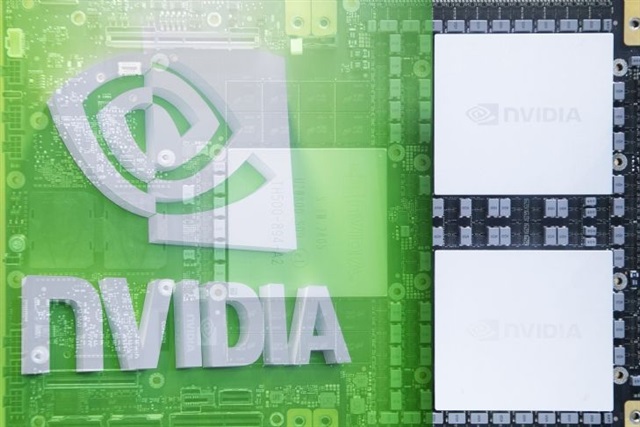
Foxconn Genesis AI: dalla fase pilota al deployment su scala industriale
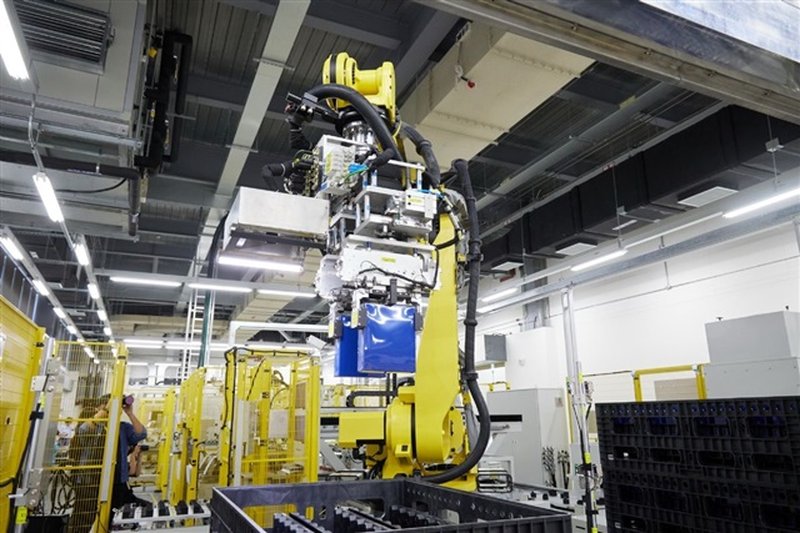
Foxconn, uno dei maggiori produttori di elettronica a contratto a livello globale, sta portando avanti un'importante espansione del suo progetto "Genesis AI manufacturing". L'iniziativa, che mira a integrare l'intelligenza artificiale nei processi produttivi, sta passando da una fase pilota a un deployment su scala industriale, coinvolgendo l'intera operatività degli stabilimenti. Questa mossa strategica sottolinea la crescente fiducia nelle soluzioni AI per ottimizzare l'efficienza e la qualità nella produzione manifatturiera.
Il passaggio a un'implementazione "plant-wide" per Genesis AI evidenzia una tendenza significativa nel settore: l'adozione di sistemi di intelligenza artificiale che operano direttamente all'interno delle infrastrutture aziendali. Per realtà complesse come Foxconn, che gestiscono volumi di dati enormi e processi critici, la scelta di un deployment on-premise o ibrido offre vantaggi sostanziali in termini di controllo, sicurezza e prestazioni.
Le Implicazioni del Deployment On-Premise per l'AI Manifatturiera
La decisione di Foxconn di scalare Genesis AI a livello di stabilimento riflette una chiara preferenza per un controllo diretto sull'infrastruttura e sui dati. In contesti manifatturieri, la sovranità dei dati è spesso una priorità assoluta, specialmente quando si tratta di proprietà intellettuale, segreti industriali e conformità normativa. Un deployment on-premise permette di mantenere i dati sensibili all'interno del perimetro aziendale, riducendo i rischi associati al trasferimento e all'elaborazione in ambienti cloud esterni.
Inoltre, l'AI per la produzione richiede spesso inference a bassa latenza per applicazioni in tempo reale, come il controllo qualità visivo o la manutenzione predittiva. L'elaborazione dei dati direttamente in fabbrica, vicino ai sensori e alle macchine (edge computing), minimizza i ritardi di rete e garantisce risposte immediate, essenziali per mantenere l'efficienza operativa. Questo approccio implica l'investimento in hardware dedicato, come server con GPU ad alte prestazioni e ampia VRAM, capaci di gestire carichi di lavoro intensivi di Large Language Models (LLM) o modelli di visione artificiale. Per chi valuta deployment on-premise per carichi di lavoro AI, AI-RADAR offre framework analitici su /llm-onpremise per valutare i trade-off tra costi iniziali (CapEx) e operativi (OpEx), nonché l'impatto sul Total Cost of Ownership (TCO).
Sfide e Opportunità nell'Integrazione dell'AI Manifatturiera
L'integrazione dell'AI su scala industriale presenta sfide complesse, ma anche opportunità significative. La necessità di interfacciarsi con sistemi di Operational Technology (OT) esistenti, spesso basati su protocolli e hardware legacy, richiede un'attenta pianificazione e architetture flessibili. L'implementazione di pipeline di dati robuste e la gestione di modelli AI che possono essere aggiornati e ottimizzati tramite fine-tuning senza interruzioni della produzione sono aspetti cruciali.
Le opportunità, d'altra parte, sono vaste. L'AI può trasformare la produzione attraverso l'ottimizzazione dei processi, la riduzione degli sprechi, l'identificazione precoce di difetti e l'automazione di compiti ripetitivi. L'analisi predittiva basata su modelli AI può migliorare la pianificazione della manutenzione, estendendo la vita utile delle macchine e minimizzando i tempi di inattività non programmati. La capacità di Foxconn di scalare Genesis AI suggerisce che l'azienda ha sviluppato una strategia efficace per affrontare queste complessità.
Prospettive Future e Controllo Operativo
La mossa di Foxconn con Genesis AI è un indicatore della maturazione delle tecnicie AI per applicazioni industriali. Man mano che le aziende cercano di ottenere un vantaggio competitivo attraverso l'efficienza e l'innovazione, l'adozione di soluzioni AI self-hosted e su misura diventerà sempre più comune. Questo approccio non solo garantisce un maggiore controllo sui dati e sulle operazioni, ma offre anche la flessibilità necessaria per adattare i sistemi AI alle esigenze specifiche e in evoluzione di un ambiente produttivo.
Il deployment su larga scala di Genesis AI da parte di un gigante come Foxconn rafforza l'idea che l'investimento in infrastrutture AI proprietarie, pur richiedendo un impegno iniziale significativo, può portare a benefici a lungo termine in termini di efficienza, sicurezza e autonomia operativa. La capacità di gestire l'intero stack tecnicico, dall'hardware al software, consente alle aziende di mantenere la piena sovranità sui propri processi e sulla propria innovazione.





💬 Commenti (0)
🔒 Accedi o registrati per commentare gli articoli.
Nessun commento ancora. Sii il primo a commentare!