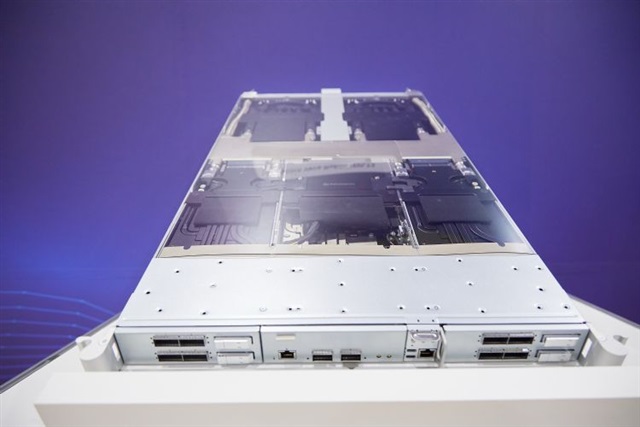
Foxconn is no longer just assembling servers: the Taiwanese manufacturer has decided to deepen its collaboration with Nvidia on next-generation GPU and networking platforms. The news, reported by DIGITIMES, shifts the balance in the AI component supply chain, even without public numbers or roadmaps.
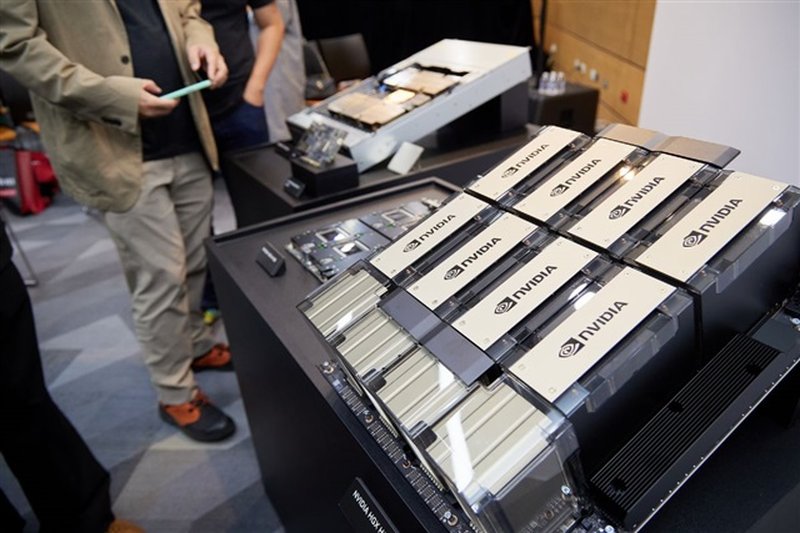
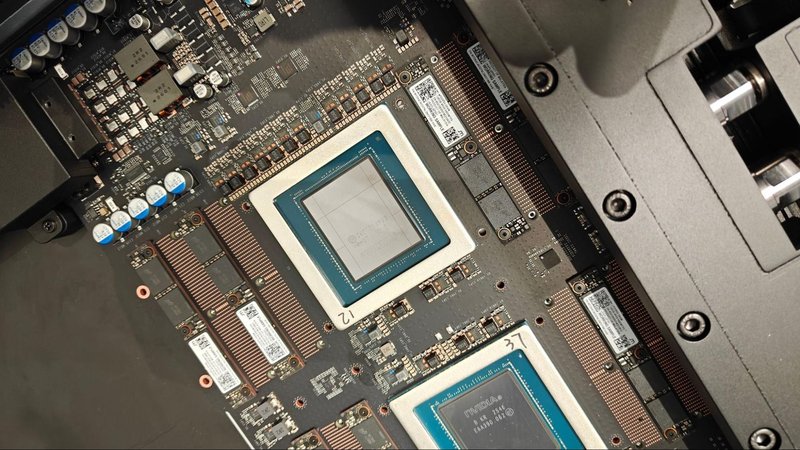
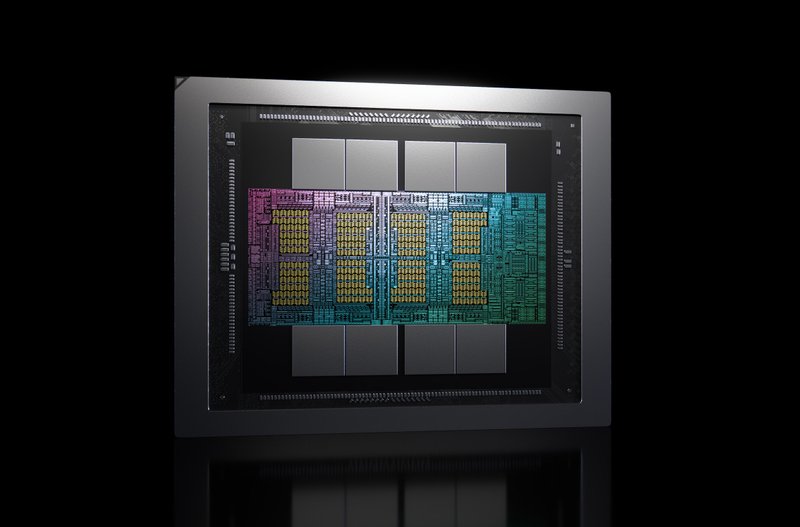
The point isn't only who makes what. Manufacturing capacity is becoming the real bottleneck for AI. Modern GPUs are complex systems requiring advanced packaging, thermal management, power delivery, and high-speed interconnects. Designing a more powerful chip is not enough: you need a supply chain that can deliver it in acceptable volumes. Foxconn, with its production scale and data center presence, is one of the few players able to support that leap.
Then there is the networking side. In clusters for training or distributed inference, GPUs never work alone. The network is the fabric connecting thousands of accelerators and moving tokens between nodes; if that fabric has inadequate latency or throughput, compute power sits idle. Foxconn's interest in Nvidia networking platforms suggests the manufacturer wants to position itself on both sides of the rack: compute and connectivity.
For those looking at on-premise deployment, the reading is less abstract than it seems. Self-hosted projects depend on physical hardware availability, not only on a model license or an orchestration framework. If GPU and network production concentrates in few hands, delivery times and costs stiffen. Conversely, a broader, integrated manufacturing ecosystem can reduce supply risks. Foxconn's move doesn't automatically guarantee more supply, but it signals that the industry is trying to widen the production base to sustain demand.
There is also a geopolitical and sovereignty angle. Much of advanced production capacity is in Asia; those building AI infrastructure in Europe or the United States must deal with long logistics chains, export controls, and trade tensions. A closer Foxconn-Nvidia link doesn't remove these constraints, but it makes them part of the industrial project rather than a problem to solve later.
The core argument is simple: the next AI leap won't be decided only by model architecture or software, but by the ability to produce and deliver reliable hardware at meaningful volumes. Foxconn is carving out a role as a quiet enabler, turning Nvidia's designs into machines that can be ordered and installed. For those deciding whether to bring workloads into their own data centers, this is a variable to watch closely—much more than public benchmarks suggest.







💬 Comments (0)
🔒 Log in or register to comment on articles.
No comments yet. Be the first to comment!