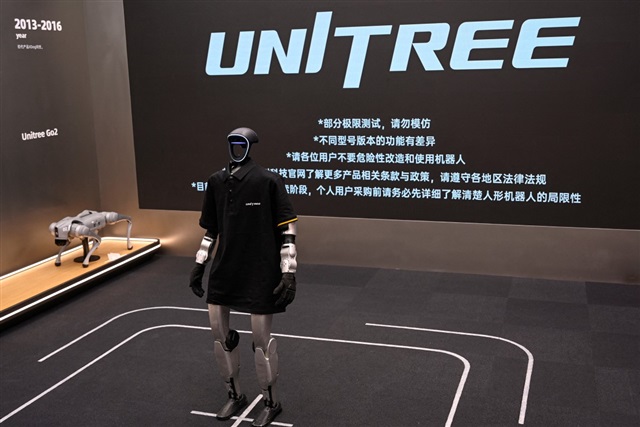
Nvidia rafforza la sua presenza nella robotica umanoide con chip AI
Nvidia sta consolidando la propria posizione nel settore emergente della robotica umanoide, un campo che promette di ridefinire l'automazione e l'interazione tra uomo e macchina. L'azienda ha intensificato le sue collaborazioni con attori chiave come Unitree e Cosmos 3, posizionandosi come fornitore essenziale di tecnicia AI per lo sviluppo di queste complesse macchine. Questo impegno sottolinea la crescente importanza del silicio specializzato per abilitare le capacità avanzate richieste dai robot umanoidi.
Il ruolo di Nvidia non si limita alla fornitura di hardware, ma si estende all'integrazione di un ecosistema che supporta lo sviluppo e il Deployment di soluzioni robotiche intelligenti. La capacità di elaborare grandi volumi di dati in tempo reale è fondamentale per la percezione ambientale, la pianificazione del movimento e l'interazione autonoma, rendendo i chip AI di Nvidia un componente critico per l'evoluzione di questi sistemi.
Il Ruolo Cruciale del Silicio AI nella Robotica
I robot umanoidi, per operare in ambienti dinamici e non strutturati, richiedono una potenza di calcolo straordinaria. Devono essere in grado di percepire l'ambiente circostante tramite sensori complessi, elaborare queste informazioni per comprendere il contesto e prendere decisioni in frazioni di secondo. Questo processo si basa pesantemente sull'Inference di Large Language Models (LLM) e modelli multimodali, che richiedono GPU con elevata VRAM e Throughput.
Le architetture di Nvidia sono progettate per gestire carichi di lavoro intensivi, offrendo le prestazioni necessarie per l'esecuzione di algoritmi di visione artificiale, pianificazione del percorso e controllo motorio. La capacità di eseguire queste operazioni con bassa latenza è vitale per la sicurezza e l'efficacia dei robot, specialmente in contesti dove l'interazione fisica con l'ambiente o con gli esseri umani è frequente. Senza un silicio AI adeguato, la fluidità e la reattività dei movimenti e delle decisioni dei robot sarebbero gravemente compromesse.
Contesto di Deployment e Sovranità dei Dati
Il Deployment di sistemi robotici avanzati, in particolare quelli umanoidi, solleva questioni significative riguardo all'architettura infrastrutturale. Molte applicazioni robotiche richiedono un'elaborazione dei dati in tempo reale e una latenza minima, spingendo verso soluzioni on-premise o edge computing. Questo approccio garantisce che i dati sensibili raccolti dai robot (ad esempio, immagini di ambienti privati o informazioni personali) rimangano all'interno di confini controllati, rispondendo a esigenze di sovranità dei dati e compliance normativa, come il GDPR.
L'adozione di un'infrastruttura self-hosted o air-gapped per l'Inference robotica può anche offrire vantaggi in termini di TCO a lungo termine, bilanciando i costi iniziali (CapEx) con i costi operativi (OpEx) derivanti dall'uso di servizi cloud. Per chi valuta deployment on-premise, esistono trade-off significativi tra costi iniziali, gestione dell'infrastruttura e benefici in termini di latenza e sovranità dei dati. AI-RADAR offre framework analitici su /llm-onpremise per approfondire queste valutazioni, aiutando le aziende a scegliere l'approccio più adatto alle proprie esigenze specifiche.
Prospettive Future e Sfide Tecnologiche
L'evoluzione della robotica umanoide è intrinsecamente legata ai progressi nel silicio AI. Le sfide future includono la necessità di migliorare ulteriormente l'efficienza energetica dei chip, la loro miniaturizzazione per l'integrazione in piattaforme robotiche compatte e la capacità di supportare modelli AI sempre più complessi e di grandi dimensioni, anche attraverso tecniche come la Quantization. Nvidia, con il suo focus sull'hardware e sui Framework software, è ben posizionata per affrontare queste sfide.
L'impatto di questi sviluppi si estenderà ben oltre la robotica stessa, influenzando settori come la logistica, la manifattura, l'assistenza sanitaria e persino l'esplorazione spaziale. La capacità di Deploy robot umanoidi autonomi e intelligenti, alimentati da chip AI all'avanguardia, rappresenta un passo fondamentale verso un futuro in cui le macchine potranno svolgere compiti complessi e interagire con il mondo in modi sempre più sofisticati e naturali.





💬 Commenti (0)
🔒 Accedi o registrati per commentare gli articoli.
Nessun commento ancora. Sii il primo a commentare!