
Google Gemini arriva su Mac: un nuovo punto di accesso per l'AI conversazionale
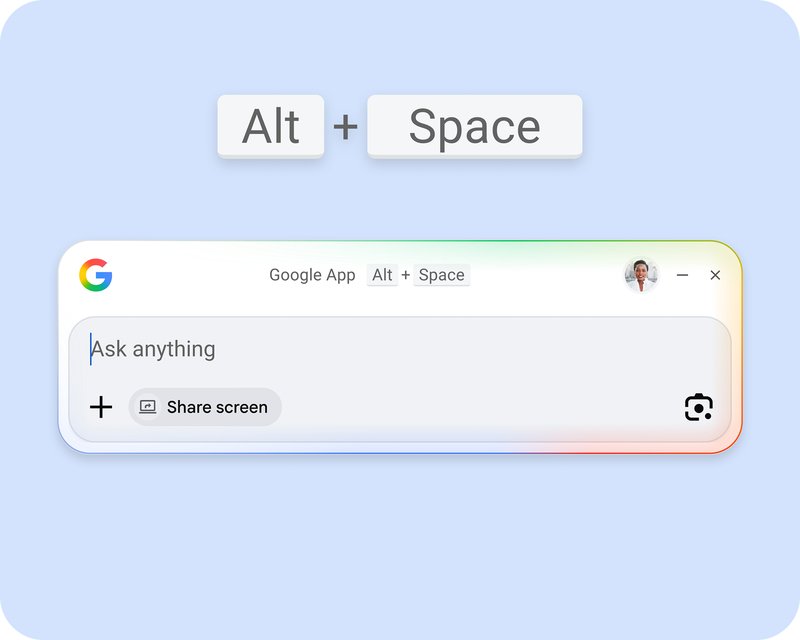
Google ha recentemente annunciato il rilascio di un'applicazione nativa di Gemini per macOS, estendendo la disponibilità del suo Large Language Model (LLM) direttamente sui desktop degli utenti Apple. Questa iniziativa mira a integrare Gemini più profondamente nel flusso di lavoro quotidiano, offrendo un accesso immediato alle sue capacità di assistenza.
La funzionalità chiave dell'applicazione risiede nella sua capacità di interagire con i contenuti visualizzati sullo schermo dell'utente e con i file locali. Gli utenti possono condividere qualsiasi elemento presente sul loro display o selezionare specifici documenti archiviati sul proprio Mac, chiedendo a Gemini di fornire aiuto o approfondimenti contestuali. Questo approccio promette di semplificare l'interazione con l'AI, rendendola una risorsa sempre disponibile per l'analisi di informazioni o la generazione di risposte basate su dati specifici dell'utente.
Sovranità dei dati e controllo: le sfide per l'enterprise
L'introduzione di un'applicazione che facilita la condivisione di contenuti locali e dello schermo con un LLM basato su cloud solleva questioni significative per le organizzazioni. Per le aziende, la gestione e la protezione dei dati sensibili rappresentano una priorità assoluta, specialmente in settori regolamentati. La possibilità di inviare file proprietari o informazioni riservate a un servizio esterno, anche se crittografato, richiede un'attenta valutazione dei rischi.
La sovranità dei dati, la compliance normativa (come il GDPR) e la necessità di ambienti air-gapped sono fattori critici che spingono molte imprese a esplorare soluzioni di LLM self-hosted o deployment on-premise. In questi scenari, il controllo completo sull'infrastruttura, sui dati e sui modelli garantisce che le informazioni non lascino mai il perimetro aziendale, mitigando i rischi di esposizione o violazione. L'approccio di Google, pur comodo per l'utente finale, evidenzia il divario tra le soluzioni consumer-friendly e le rigorose esigenze di sicurezza e governance dei dati aziendali.
Deployment di LLM: cloud, on-premise e i relativi trade-off
La decisione di adottare un LLM, sia tramite un'applicazione client come quella di Gemini per Mac, sia attraverso un'integrazione più profonda, implica una scelta fondamentale tra deployment cloud e on-premise. Le soluzioni basate su cloud offrono scalabilità e costi operativi iniziali ridotti, delegando la gestione dell'infrastruttura al provider. Tuttavia, comportano una dipendenza da terze parti e potenziali preoccupazioni relative alla latenza, al throughput e, come detto, alla sovranità dei dati.
Al contrario, un deployment on-premise, che può includere l'utilizzo di server bare metal o infrastrutture ibride, offre il massimo controllo. Questo approccio permette alle aziende di gestire direttamente le specifiche hardware, come la VRAM delle GPU (es. A100 80GB o H100 SXM5), e di ottimizzare l'inference per carichi di lavoro specifici. Sebbene il Total Cost of Ownership (TCO) iniziale possa essere più elevato a causa degli investimenti in CapEx, i costi operativi a lungo termine e i benefici in termini di sicurezza e personalizzazione possono giustificare la scelta per organizzazioni con esigenze stringenti. Per chi valuta deployment on-premise, AI-RADAR offre framework analitici su /llm-onpremise per valutare questi trade-off.
Prospettive future per l'integrazione AI in azienda
L'arrivo di applicazioni native di LLM su piattaforme desktop come macOS segna un passo importante nell'ubiquità dell'intelligenza artificiale. Tuttavia, per i CTO, i responsabili DevOps e gli architetti di infrastruttura, la questione non è solo l'accessibilità, ma anche la sicurezza, la compliance e l'efficienza. L'integrazione di LLM in ambienti aziendali richiede un'attenta pianificazione che bilanci la comodità d'uso con la necessità di mantenere il controllo sui dati e sull'infrastruttura.
Mentre le soluzioni cloud continuano a evolversi, la domanda di capacità di elaborazione AI in-house, specialmente per carichi di lavoro sensibili o ad alta intensità di dati, rimane forte. La capacità di eseguire LLM localmente, magari con tecniche di quantization per ottimizzare l'uso della VRAM, offre un percorso per sfruttare la potenza dell'AI senza compromettere la sovranità dei dati. La scelta tra un'applicazione client cloud-based e un'infrastruttura on-premise dipenderà sempre dalle specifiche esigenze di ogni organizzazione, dai suoi vincoli normativi e dalla sua strategia a lungo termine per l'adozione dell'AI.








💬 Commenti (0)
🔒 Accedi o registrati per commentare gli articoli.
Nessun commento ancora. Sii il primo a commentare!