Google and Intel: A Strategic Agreement for TPUs
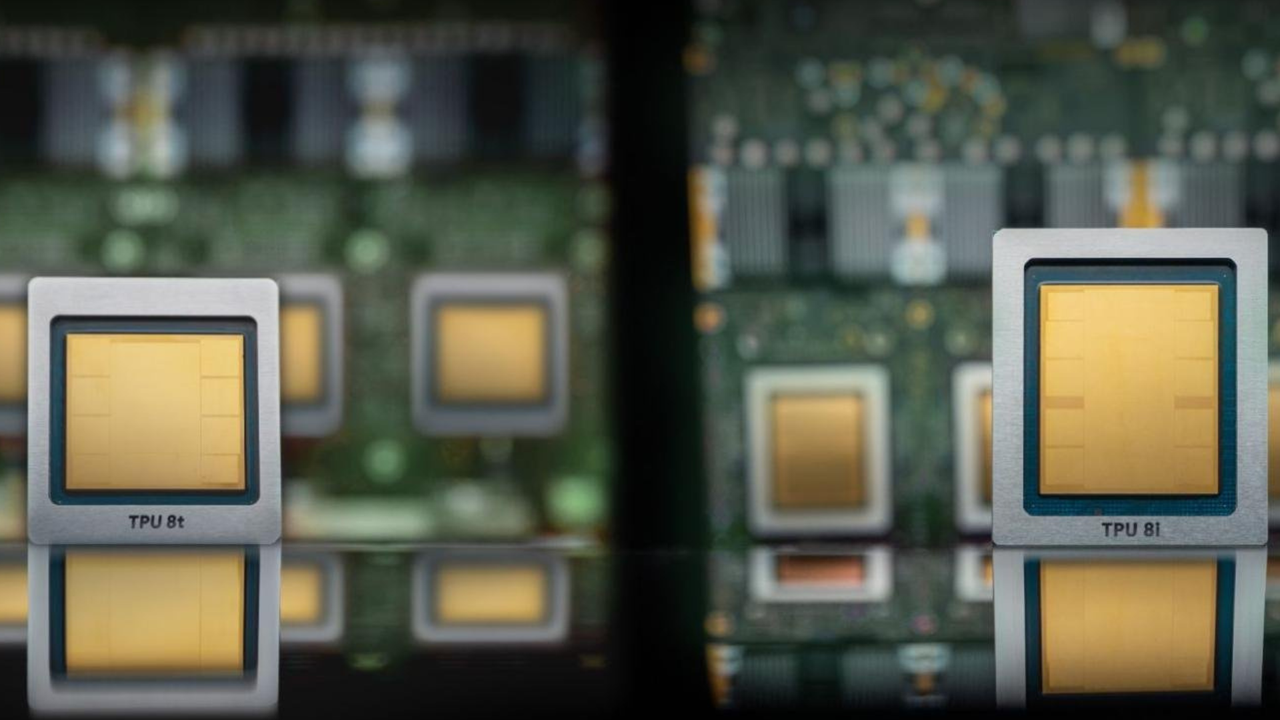
Google, a key player in the artificial intelligence landscape, has reportedly entered into a significant agreement with Intel. The collaboration entails Intel handling the packaging of over 3 million Tensor Processing Units (TPUs) by 2028. This news underscores Google's commitment to developing and deploying its own AI-dedicated hardware infrastructure, based on custom silicon.
TPUs are Google's proprietary chips, specifically designed to accelerate machine learning workloads, from training to inference of Large Language Models (LLM). Relying on an external partner like Intel for a critical production phase such as packaging highlights the complexity and scale of operations required to meet the growing demand for AI computational capacity.
The Crucial Role of Advanced Packaging and EMIB Technology
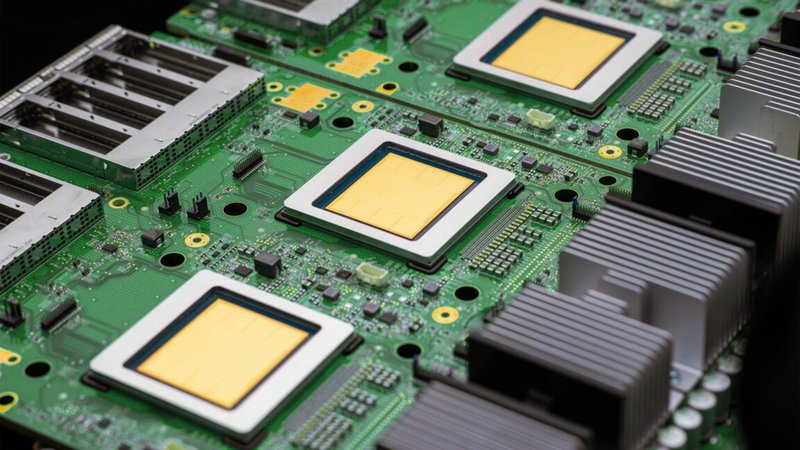
Semiconductor packaging is an increasingly strategic technological phase, especially for high-performance AI accelerators. Advanced packaging technologies like Intel's Embedded Multi-die Interconnect Bridge (EMIB) are fundamental for efficiently integrating various components, such as logic dies and High Bandwidth Memory (HBM), within a single package. This allows overcoming the physical limitations of monolithic chips, improving density, throughput, and reducing latency.
The report also mentions that SK Hynix, a leading HBM manufacturer, is testing Intel's EMIB technology for the integration of its HBM. This fact reinforces the perception of EMIB as a promising solution for assembling complex systems, essential for future generations of AI accelerators. Efficient HBM integration is vital for providing the memory bandwidth required by intensive LLM workloads.
Implications for AI Infrastructure and the Supply Chain
Google's agreement with Intel reflects a broader industry trend: the diversification of the supply chain and the search for specialized expertise in AI hardware manufacturing. For companies evaluating the deployment of LLMs on-premise or in hybrid environments, hardware availability and quality are critical factors. Decisions like Google's impact the entire ecosystem, from the production capacity of silicon suppliers to the options available to IT decision-makers.
The choice of a packaging partner can significantly affect the Total Cost of Ownership (TCO) and the resilience of the supply chain. For CTOs and infrastructure architects, understanding these dynamics is crucial for planning long-term investments in AI hardware, balancing performance, costs, and control. AI-RADAR offers analytical frameworks on /llm-onpremise to evaluate the trade-offs between different deployment strategies, including hardware supply chain management.
Future Prospects and Technological Challenges
Looking ahead to 2028, the demand for AI computational capacity is set to grow exponentially. Google's commitment to over 3 million TPUs underscores the scale of investment required to stay at the forefront of artificial intelligence development. The ability to produce and assemble these complex accelerators in such high volumes will be a distinguishing factor.
The challenges are not limited to chip production alone but extend to the entire process, from design to packaging and testing. The collaboration between tech giants like Google and Intel, along with memory suppliers such as SK Hynix, highlights an interdependent ecosystem where innovation in one link of the value chain can unlock significant progress for the entire industry. This scenario compels infrastructure leaders to carefully consider the robustness and flexibility of their hardware procurement strategies.





💬 Comments (0)
🔒 Log in or register to comment on articles.
No comments yet. Be the first to comment!