
Google presenta i nuovi "audio glasses" a IO 2026
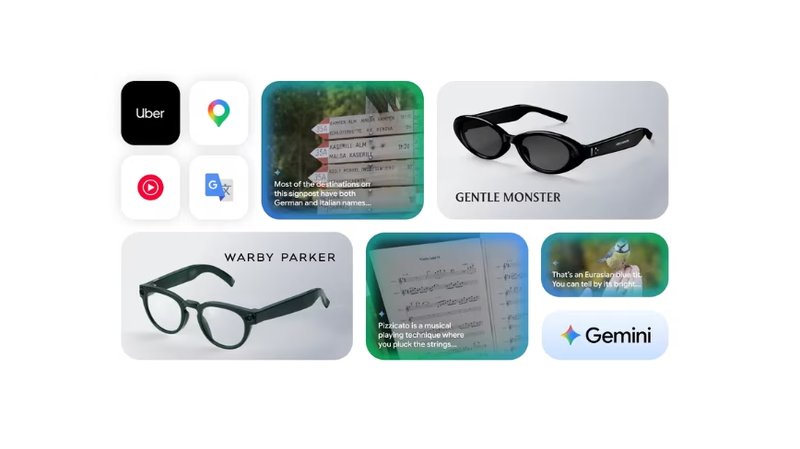
Google ha presentato a IO 2026 i suoi nuovi "audio glasses", un'innovazione nel campo dei dispositivi indossabili. Questi occhiali smart sono progettati per l'interazione vocale, consentendo agli utenti di impartire comandi e accedere ai servizi dell'ecosistema Google. L'annuncio posiziona Google in un segmento di mercato già esplorato da altri attori, come Meta, suggerendo una convergenza verso interfacce utente più naturali e meno dipendenti da schermi tradizionali.
La strategia di Google con gli "audio glasses" mira a integrare l'intelligenza artificiale conversazionale nella vita quotidiana, rendendo l'accesso alle informazioni e l'esecuzione di task più immediati. L'integrazione con Gemini, la piattaforma AI di Google, è un elemento chiave di questa proposta, promettendo un'esperienza utente fluida e reattiva.
Dettagli Tecnici e Architettura di Interazione
I nuovi dispositivi, denominati "audio glasses", si basano sulla capacità degli utenti di formulare comandi vocali per interagire con il sistema. Questa modalità di input rappresenta un passo avanti nell'ergonomia dei dispositivi indossabili, eliminando la necessità di interazioni tattili o visive complesse. L'elaborazione di questi comandi avviene attraverso l'ampio ecosistema di app e servizi di Google, che include funzionalità basate su Large Language Models (LLM) come Gemini.
Sebbene la fonte non specifichi dettagli hardware on-device, l'architettura suggerisce che l'Inference degli LLM avvenga prevalentemente nel cloud. Questo approccio permette di sfruttare la potenza computazionale dei data center di Google per gestire modelli complessi come Gemini, garantendo al contempo un fattore di forma leggero per gli occhiali. Tuttavia, per chi valuta Deployment on-premise di LLM, è interessante notare come l'edge computing possa giocare un ruolo crescente nell'elaborazione locale di parte dei comandi, riducendo la latenza e migliorando la sovranità dei dati per applicazioni specifiche.
Contesto di Mercato e Implicazioni per il Deployment AI
L'ingresso di Google in questo segmento con gli "audio glasses" riflette una tendenza più ampia nel settore tecnicico: l'integrazione dell'AI in dispositivi sempre più personali e discreti. La capacità di eseguire comandi vocali e interagire con un assistente AI senza l'uso delle mani apre nuove possibilità per scenari d'uso che vanno oltre il semplice consumo di contenuti, toccando ambiti come la produttività, l'assistenza e l'accessibilità.
Per le aziende che considerano l'adozione di soluzioni AI, l'emergere di questi dispositivi evidenzia la necessità di valutare attentamente dove l'Inference AI debba risiedere. Le soluzioni cloud offrono scalabilità e accesso a modelli di grandi dimensioni, ma possono comportare compromessi in termini di latenza e sovranità dei dati. Al contrario, un Deployment on-premise o edge, sebbene più complesso da gestire, può offrire maggiore controllo e sicurezza per dati sensibili, un aspetto cruciale per settori come la finanza o la sanità. Per chi valuta framework analitici per questi trade-off, AI-RADAR offre risorse su /llm-onpremise.
Prospettive Future e Trade-off Architetturali
Il futuro degli "audio glasses" e di dispositivi simili dipenderà dalla capacità di bilanciare prestazioni, autonomia della batteria e privacy. L'efficienza nell'elaborazione dei comandi vocali e la rapidità di risposta di sistemi come Gemini saranno fattori determinanti per l'adozione da parte degli utenti. Le decisioni architetturali relative a dove eseguire l'Inference – se interamente nel cloud, parzialmente sull'edge o in un modello ibrido – avranno un impatto significativo su questi aspetti.
Per i CTO e gli architetti di infrastruttura, la sfida consiste nel comprendere i trade-off tra le diverse opzioni di Deployment. Un sistema che si affida esclusivamente al cloud per l'Inference degli LLM può semplificare il rilascio e la manutenzione, ma introduce dipendenze dalla connettività e solleva questioni di sovranità dei dati. Al contrario, l'integrazione di capacità di Inference AI direttamente sull'hardware degli occhiali, sebbene più complessa, potrebbe offrire vantaggi in termini di latenza e privacy, un'area di ricerca attiva per l'ottimizzazione di LLM su hardware con risorse limitate e un TCO potenzialmente inferiore nel lungo termine.





💬 Commenti (0)
🔒 Accedi o registrati per commentare gli articoli.
Nessun commento ancora. Sii il primo a commentare!