
H3C e la Strategia di Espansione nel Sud-Est Asiatico
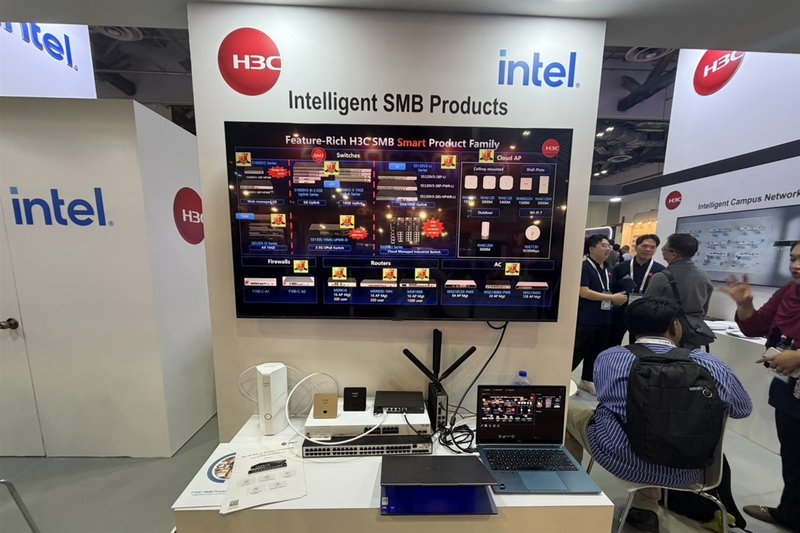
H3C, azienda tecnicica cinese con una storia che affonda le radici nelle operazioni di Hewlett-Packard in Cina, sta delineando una strategia aggressiva per consolidare la propria posizione nei mercati server dell'ASEAN. Questa iniziativa segna un passo significativo nella competizione globale per l'infrastruttura IT, con l'obiettivo dichiarato di raggiungere una posizione dominante in una delle regioni economiche più dinamiche del mondo. La mossa di H3C la pone in diretta concorrenza con attori già affermati, tra cui il colosso cinese Huawei, delineando un panorama competitivo in evoluzione.
L'eredità di HP conferisce a H3C un bagaglio di esperienza e know-how nel settore hardware e software, elementi cruciali per affrontare le complesse esigenze dei moderni data center. La capacità di offrire soluzioni server robuste e scalabili è fondamentale per le aziende e le organizzazioni che cercano di costruire infrastrutture resilienti e performanti, specialmente in contesti dove la sovranità dei dati e il controllo locale sono prioritari.
L'Importanza Strategica dei Server per i Carichi di Lavoro AI
La scelta dei server rappresenta una decisione strategica per qualsiasi organizzazione, ma assume un'importanza ancora maggiore quando si parla di carichi di lavoro intensivi come quelli legati agli LLM. Per i deployment on-premise, la capacità del server di ospitare GPU ad alte prestazioni, la quantità di VRAM disponibile e la velocità del throughput di rete sono fattori determinanti per l'efficienza dell'inference e del training. Un'infrastruttura server ben progettata può ridurre significativamente la latenza e aumentare il numero di token elaborati al secondo, impattando direttamente il TCO complessivo.
Le aziende che valutano soluzioni self-hosted per i loro LLM devono considerare non solo le specifiche hardware, ma anche l'affidabilità del vendor, la disponibilità di supporto tecnico e la resilienza della supply chain. La capacità di un fornitore di garantire consegne puntuali e un'assistenza continua è cruciale per mantenere operativi ambienti complessi, come quelli air-gapped o con stringenti requisiti di compliance.
Implicazioni per i Decision-Maker Tech e i Trade-off
Per CTO, DevOps lead e architetti infrastrutturali, la competizione nel mercato server dell'ASEAN offerta da H3C introduce nuove variabili nelle decisioni di acquisto e deployment. La disponibilità di un'alternativa forte a fornitori consolidati può portare a una maggiore innovazione, a prezzi più competitivi e a una gamma più ampia di opzioni hardware, essenziali per ottimizzare i costi e le performance dei deployment di intelligenza artificiale. Tuttavia, la valutazione di un nuovo vendor richiede un'analisi approfondita.
I trade-off da considerare includono la compatibilità con gli stack software esistenti, la facilità di integrazione in ambienti ibridi o bare metal e la capacità del vendor di adattarsi alle specifiche esigenze regionali, come i requisiti di localizzazione dei dati. Per chi valuta deployment on-premise di LLM, AI-RADAR offre framework analitici su /llm-onpremise per confrontare i costi iniziali (CapEx) con i costi operativi (OpEx) e per valutare l'impatto della scelta hardware sulla sovranità dei dati e sulla sicurezza.
Prospettive Future nel Mercato ASEAN
L'espansione di H3C nel mercato server dell'ASEAN non è solo una questione di quote di mercato, ma riflette una tendenza più ampia verso la diversificazione e la regionalizzazione delle supply chain tecniciche. Con l'aumento della domanda di capacità di calcolo per l'intelligenza artificiale in tutta la regione, la presenza di un attore come H3C, con la sua eredità e le sue ambizioni, potrebbe accelerare l'adozione di soluzioni on-premise e ibride.
Questa dinamica competitiva potrebbe stimolare l'innovazione e offrire ai clienti finali maggiori opportunità di personalizzazione e ottimizzazione delle proprie infrastrutture. Il successo di H3C dipenderà dalla sua capacità di bilanciare l'offerta di hardware performante con un supporto robusto e una strategia di prezzo competitiva, consolidando la sua posizione come attore chiave nel panorama tecnicico del Sud-Est Asiatico.








💬 Commenti (0)
🔒 Accedi o registrati per commentare gli articoli.
Nessun commento ancora. Sii il primo a commentare!