Hardware Innovation at the Core of AI Strategy
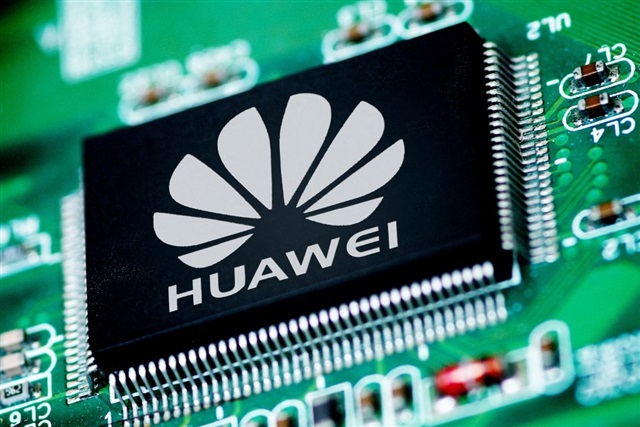
Huawei, through its "Tau Law series 2" initiative, is emphasizing some of the most critical technologies for the development and deployment of artificial intelligence. At the heart of this strategy are advanced packaging, AI interconnects, and Electronic Design Automation (EDA). These areas represent the fundamental pillars upon which future AI accelerators are built, directly influencing computing capabilities, energy efficiency, and infrastructure scalability.
For companies considering Large Language Model (LLM) deployment in self-hosted or air-gapped environments, the quality and performance of the underlying hardware are decisive factors. Huawei's focus on these strategic areas underscores a broader industry trend: the recognition that innovation at the silicon level is indispensable for unlocking the full potential of AI, especially in contexts where data control and Total Cost of Ownership (TCO) optimization are priorities.
Technological Pillars for Next-Generation AI
Advanced packaging is a key technology that allows multiple chips or components to be integrated into a single package, overcoming the physical limits of transistor miniaturization. This approach enables increased computing density, improved memory bandwidth, and reduced power consumption, all crucial aspects for the efficiency of AI accelerators. Advanced packaging translates into more powerful and compact GPUs, ideal for on-premise data centers where space and cooling are significant constraints.
AI interconnects, on the other hand, are the digital highways that link AI processing units, whether within a single chip or between multiple chips and servers. Their efficiency determines the speed at which data can be exchanged, a critical factor for training and inference of large LLMs that require the collaboration of hundreds or thousands of GPUs. High-speed, low-latency interconnects are essential for implementing parallelism strategies, such as tensor parallelism or pipeline parallelism, which allow complex workloads to be distributed across distributed architectures.
Finally, EDA (Electronic Design Automation) refers to the software and tools that chip designers use to design, verify, and optimize integrated circuits. Without sophisticated EDA tools, the complexity of modern AI accelerators would be unmanageable. Innovation in this field is fundamental for accelerating the development cycle, improving performance, and ensuring the reliability of new silicon designs, making it possible to create increasingly powerful and AI-specific hardware.
Implications for On-Premise Deployments
For CTOs, DevOps leads, and infrastructure architects, the focus on these technologies by players like Huawei has direct implications. The availability of hardware with optimized advanced packaging and AI interconnects can mean greater efficiency in on-premise LLM deployment, reducing the need for costly cloud solutions. A robust local infrastructure offers unprecedented control over data sovereignty, regulatory compliance, and security—indispensable aspects for sectors such as finance, healthcare, or public administration.
The choice between self-hosted and cloud solutions for AI workloads is never trivial and involves a careful evaluation of TCO. More performant and AI-optimized hardware can tip the scales in favor of on-premise, offering a better performance-to-cost ratio in the long term, even if the initial investment (CapEx) may be higher. For those evaluating on-premise deployments, analytical frameworks are available at /llm-onpremise to help assess the trade-offs between different options, considering factors such as available VRAM, desired throughput, and latency requirements.
Future Outlook and Local Control
Commitment to areas like advanced packaging, AI interconnects, and EDA not only pushes the boundaries of technology but also strengthens companies' ability to build and manage their AI infrastructures with greater autonomy. This is particularly relevant in an era where reliance on external providers can entail risks in terms of costs, security, and data control.
Investing in these foundational technologies means investing in the ability to innovate locally and maintain sovereignty over one's digital assets. Huawei's "Tau Law series 2," while a specific initiative, reflects a global trend towards seeking hardware solutions that support more powerful, efficient, and, above all, directly controllable AI by the organizations implementing it. This approach aligns with AI-RADAR's vision, which promotes a deep understanding of deployment options to maximize control and operational efficiency.



💬 Comments (0)
🔒 Log in or register to comment on articles.
No comments yet. Be the first to comment!