Intel and Tech Diplomacy in Taiwan Ahead of Computex
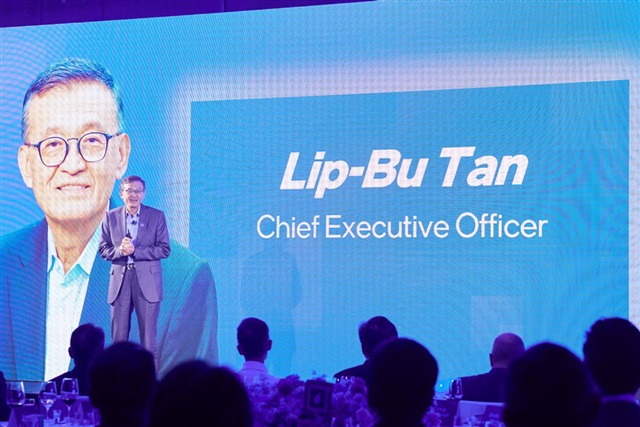
Lip-Bu Tan, Intel's CEO, is currently in Taiwan for a series of closed-door meetings, a strategic engagement preceding the opening of Computex, one of the most important global technology trade shows. The news, reported by DIGITIMES, highlights Taiwan's centrality not only as an epicenter of semiconductor manufacturing but also as a crossroads for decisions that will shape the future of hardware, particularly that dedicated to artificial intelligence.
Such high-profile visits are standard practice in the industry but take on particular significance at a time when demand for AI accelerators, such as GPUs and integrated solutions, is growing exponentially. The closed-door discussions could involve supply agreements, strategic partnerships, or the definition of technological roadmaps that will directly impact the availability and specifications of essential hardware components for AI workloads.
The Strategic Context of Taiwan and Computex's Role
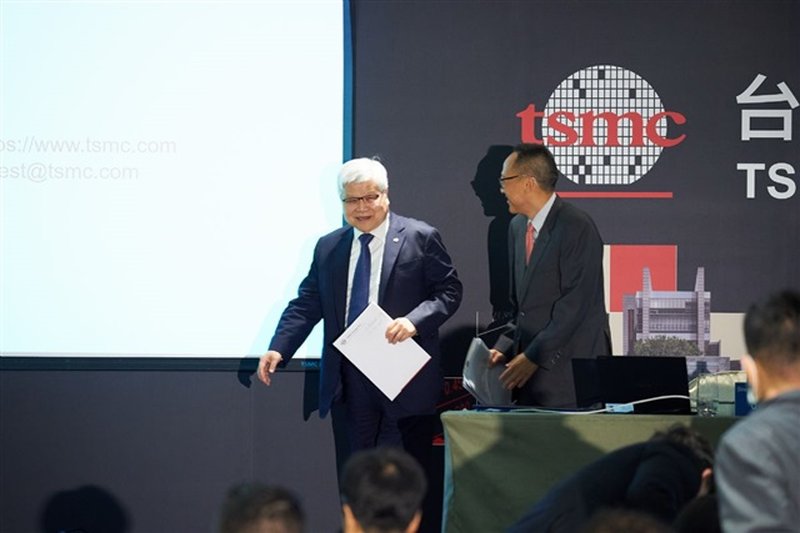
Taiwan has long been recognized as the beating heart of the global semiconductor industry, thanks to the presence of giants like TSMC, the world leader in advanced chip manufacturing. The island's production capacity and technological innovation are critical factors for any company operating in the hardware sector, and Intel is no exception. Competition in the AI accelerator segment is fierce, with Intel seeking to strengthen its position against rivals like Nvidia and AMD.
Computex, held annually in Taipei, is traditionally the stage for presentations of new CPUs, GPUs, and other hardware innovations. The presence of Intel's CEO before the event suggests that the company is finalizing agreements or strategies that could be announced or outlined during the fair. For companies evaluating on-premise LLM deployments, decisions made in these strategic contexts directly translate into VRAM availability, interconnect throughput, and ultimately, the TCO of their AI infrastructures.
Implications for On-Premise AI Hardware
Strategic moves by a player like Intel have significant repercussions for organizations choosing to implement Large Language Models on self-hosted infrastructures. The availability of advanced silicon, manufacturing capacity, and pricing are all elements influenced by these high-level meetings. For CTOs and infrastructure architects, selecting hardware for LLM inference and fine-tuning is a complex decision balancing performance, cost, and data sovereignty requirements.
A robust and competitive offering from Intel in the AI accelerator segment could provide crucial alternatives, reducing reliance on a single vendor and potentially lowering the overall TCO. Specifications such as VRAM per GPU, memory bandwidth, and power efficiency are fundamental parameters guiding purchasing decisions for on-premise deployments, where direct control over hardware and data is a priority.
Future Prospects and Data Control
The Intel CEO's visit to Taiwan, in this context, is not just a business matter but an indicator of the future directions of the AI hardware market. The increasing emphasis on data sovereignty and the need for air-gapped environments for regulated sectors drives many companies towards self-hosted solutions. This makes the availability of high-performance and cost-effective hardware a decisive factor.
AI-RADAR focuses precisely on these dynamics, providing analysis on the trade-offs between on-premise deployments and cloud solutions. Decisions made today by semiconductor industry leaders will directly influence enterprises' ability to build and manage their AI infrastructures with the necessary control and flexibility. Computex may provide further details on how Intel intends to address these challenges and opportunities.








💬 Comments (0)
🔒 Log in or register to comment on articles.
No comments yet. Be the first to comment!