
Introduction
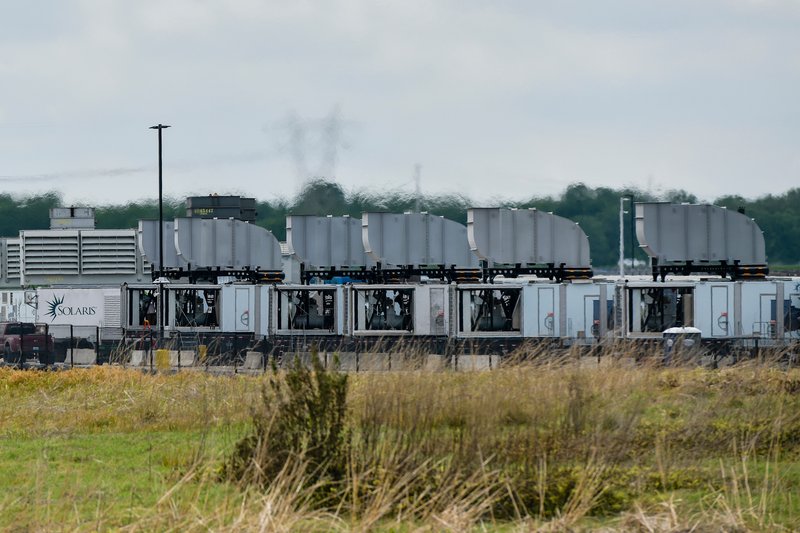
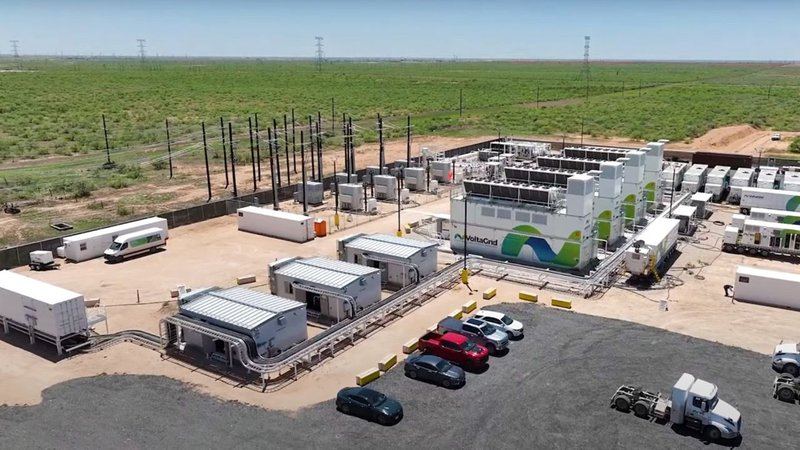
The U.S. Department of Justice (DOJ) has raised significant concerns regarding xAI's use of gas turbines without the necessary permits. xAI, the artificial intelligence startup founded by Elon Musk, faces claims that its operations pose a potential threat to the nation's national, economic, and energy security. This declaration underscores the increasing interconnectedness between advanced technological infrastructures and governmental strategic interests.
What makes the situation particularly complex is the Pentagon's stance. Despite the administrative irregularities, the Department of Defense has expressed the need for xAI to continue operating its turbines. This scenario highlights the challenges that arise when rapid technological innovation clashes with existing regulatory frameworks and strategic security requirements, especially for companies managing critical AI infrastructure.
Energy Implications for On-Premise AI
xAI's use of gas turbines suggests an AI infrastructure approach that prioritizes direct control and energy independence, typical of on-premise deployments. Managing Large Language Models (LLMs) and large-scale training and inference workloads demands substantial amounts of energy. Latest-generation GPUs, essential for these operations, consume high power, making energy supply a critical component of the Total Cost of Ownership (TCO) for any AI datacenter.
For companies opting for self-hosted solutions, the ability to generate power on-site can offer advantages in terms of resilience, reduced latency, and potentially lower long-term operational costs, in addition to ensuring data sovereignty in air-gapped environments. However, as the xAI case demonstrates, such autonomy also entails the responsibility to comply with complex environmental and safety regulations, which can vary significantly at local, state, and federal levels, adding a layer of complexity to infrastructure planning.
National Security and Regulation
The DOJ's statement classifying xAI's turbines as a matter of "national, economic, and energy security" opens a broader debate on the role of private AI infrastructures within a country's strategic landscape. Reliance on specific energy sources, or their non-compliant management, can have repercussions on grid stability and the ability to support critical operations, including governmental ones that might rely on advanced AI capabilities.
This episode highlights the tension between the speed of innovation in the AI sector and the slower pace of regulatory processes. Companies developing and deploying cutting-edge technologies, especially those with strategic implications, find themselves navigating an evolving regulatory environment. For CTOs and infrastructure architects evaluating on-premise deployments, it is crucial to consider not only hardware specifications and costs but also the complex legal and environmental framework surrounding energy management and physical infrastructure.
Future Perspectives for AI Infrastructure
The xAI case serves as a reminder that the infrastructure required to support LLM development and inference is not limited to servers and GPUs alone. It also includes the entire energy supply chain and related permits. The Pentagon's decision to support xAI's continued operation, despite the violations, suggests that the AI capabilities developed by the company are considered strategically important for national defense and technological interests.
For organizations exploring self-hosted alternatives to cloud solutions, this scenario underscores the importance of holistic infrastructure planning. Evaluating the TCO of an on-premise AI datacenter means considering not only the initial and operational costs of hardware but also investments in regulatory compliance, permits, and energy infrastructure. AI-RADAR offers analytical frameworks on /llm-onpremise to evaluate these trade-offs, helping decision-makers navigate the complexity of AI deployments in a context where data sovereignty and energy security are increasingly interconnected.








💬 Comments (0)
🔒 Log in or register to comment on articles.
No comments yet. Be the first to comment!