
DOJ's Intervention in Favor of xAI
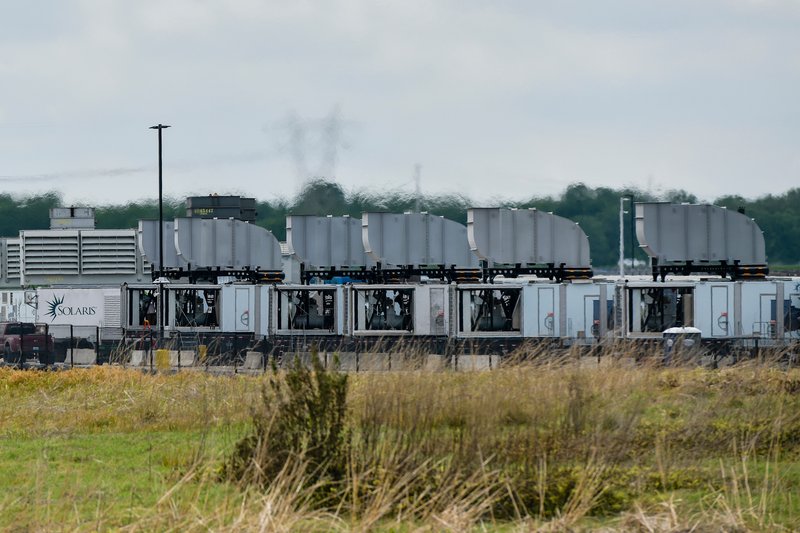
The U.S. Department of Justice (DOJ) has asked a court to dismiss a lawsuit filed by the NAACP against xAI, the artificial intelligence company founded by Elon Musk. The controversy centers on the use of gas turbines that, according to the lawsuit, lacked the necessary permits. These turbines power the facility known as Colossus 2, where xAI's Grok model is running.
The DOJ's request is not merely a procedural act; it carries a significant declaration: the Grok model, operating at Colossus 2, "supports mission-critical operations." This statement elevates the profile of xAI's Large Language Model (LLM), attributing strategic importance beyond mere technological development and placing it within a context of national or infrastructural relevance.
The Infrastructural Challenges of Large Language Models
The mention of "gas turbines" and a dedicated facility like Colossus 2 highlights the immense infrastructural demands that characterize the development and deployment of large-scale Large Language Models. These models, both during training and inference, require a massive amount of computing power, typically supplied by arrays of high-performance GPUs with high VRAM and throughput requirements. Such needs translate into significant energy consumption, often justifying the construction of dedicated data centers or the adoption of autonomous energy solutions.
An on-premise deployment, as implied by the presence of gas turbines and a specific facility, offers companies granular control over hardware, the operating environment, and physical security. However, it also entails direct management of complex aspects such as energy supply, heat dissipation, and regulatory compliance, which can vary significantly depending on local and federal jurisdiction. The choice of dedicated infrastructure often reflects the need to optimize performance, ensure data sovereignty, or handle particularly intensive workloads.
Sovereignty, Control, and On-Premise Deployment Implications
The designation of an LLM like Grok as supporting "mission-critical operations" raises important considerations for organizations evaluating on-premise or hybrid deployments. For CTOs, DevOps leads, and infrastructure architects, the ability to maintain complete control over hardware, data, and the operating environment is often a decisive factor. This is particularly true in sectors requiring high standards of compliance, security, or for air-gapped environments.
The xAI case underscores how infrastructural decisions can have significant legal and strategic implications. Managing the Total Cost of Ownership (TCO) for an on-premise deployment includes not only hardware acquisition and energy costs but also those related to regulatory compliance and managing relationships with local authorities. For those evaluating the trade-offs between self-hosted and cloud solutions for AI/LLM workloads, AI-RADAR offers analytical frameworks on /llm-onpremise to delve into these aspects and support informed decisions.
Future Outlook and the Role of Strategic LLMs
The DOJ's declaration that Grok's operations are "mission-critical" could set an important precedent. It suggests that some Large Language Models are beginning to be perceived not just as advanced technological tools but as essential components for infrastructures or services of strategic relevance. This could influence how authorities regulate the development and deployment of such technologies, potentially facilitating or complicating the acquisition of permits for dedicated infrastructure.
The xAI case highlights the growing interconnection between technological innovation, energy requirements, and the regulatory framework. As LLMs become more powerful and pervasive, their supporting infrastructure will require careful planning that balances performance and scalability needs with environmental and legal responsibilities. The ability to navigate this complex landscape will be crucial for companies aiming to operate Large Language Models at an enterprise scale.









💬 Comments (0)
🔒 Log in or register to comment on articles.
No comments yet. Be the first to comment!