
Investigation into Undersea Cable Damage in Finland
Finnish authorities have made significant progress in the investigation concerning damage to an undersea data cable. According to the latest information, four suspects have been identified in connection with the incident. The criminal case has now been referred to prosecutors, who will evaluate the possibility of filing formal charges.
This development marks a crucial step forward in an investigation that has garnered international attention, underscoring growing concerns about the security of vital digital infrastructure. The nature and extent of the damage have not been specified, but the impact on such critical infrastructure raises important questions about the resilience and protection of global networks.
The Strategic Importance and Vulnerability of Undersea Cables
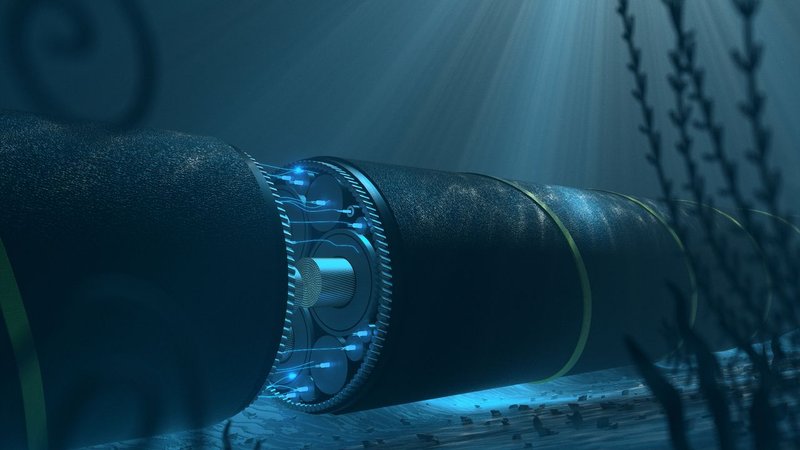
Undersea cables form the backbone of global connectivity, carrying over 95% of intercontinental data traffic. They are essential for the functioning of the internet, business communications, financial services, and increasingly, for intensive Artificial Intelligence workloads, including Large Language Models (LLM). Their integrity is fundamental for the economic stability and national security of many countries.
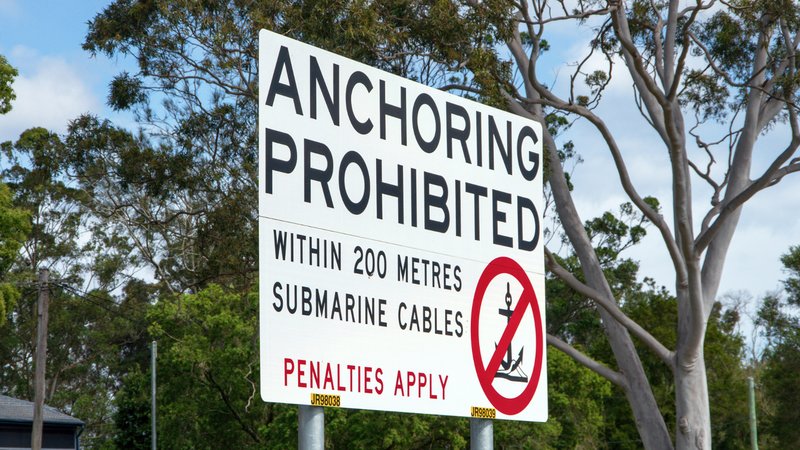
However, these infrastructures are inherently vulnerable. They can be damaged by natural events such as earthquakes or storms, by accidental human activities like ship anchoring or trawling, or, as suggested by this investigation, by deliberate acts. Damage can cause widespread service disruptions, significant slowdowns, and substantial economic losses, in addition to raising concerns about data sovereignty and operational continuity.
Implications for Data Sovereignty and On-Premise AI/LLM Deployments
The incident in Finland reinforces the argument for deployment strategies that prioritize data sovereignty and control over infrastructure. For organizations managing sensitive LLM and other AI workloads, reliance on shared global network infrastructures introduces a level of risk that must be carefully assessed. The possibility of outages or, worse, targeted attacks, can compromise operational continuity, regulatory compliance, and information security.
In this context, on-premise or hybrid deployments for LLM and AI gain strategic importance. They offer greater control over hardware, network, and data, allowing companies to implement specific security and redundancy measures, even in air-gapped environments. While they may involve a higher initial TCO and management complexity, the benefits in terms of security, reduced latency, and data sovereignty can outweigh the costs for critical workloads. For those evaluating on-premise deployments, AI-RADAR offers analytical frameworks on /llm-onpremise to assess these trade-offs and the concrete hardware specifications required.
The Challenge of Infrastructural Resilience in the AI Era
Protecting critical infrastructures, such as undersea cables, is a complex challenge that requires international cooperation and continuous investment in monitoring and maintenance. The incident in Finland serves as a reminder of the need for constant vigilance and robust contingency plans to mitigate the risks associated with such vulnerabilities.
For companies relying on AI, the lesson is clear: the choice of deployment architecture is not just about performance or cost, but also about the resilience and security of the entire pipeline. Carefully assessing the risks associated with the underlying infrastructure is essential to ensure that the benefits of AI are not undermined by unforeseen vulnerabilities or service disruptions.







💬 Comments (0)
🔒 Log in or register to comment on articles.
No comments yet. Be the first to comment!