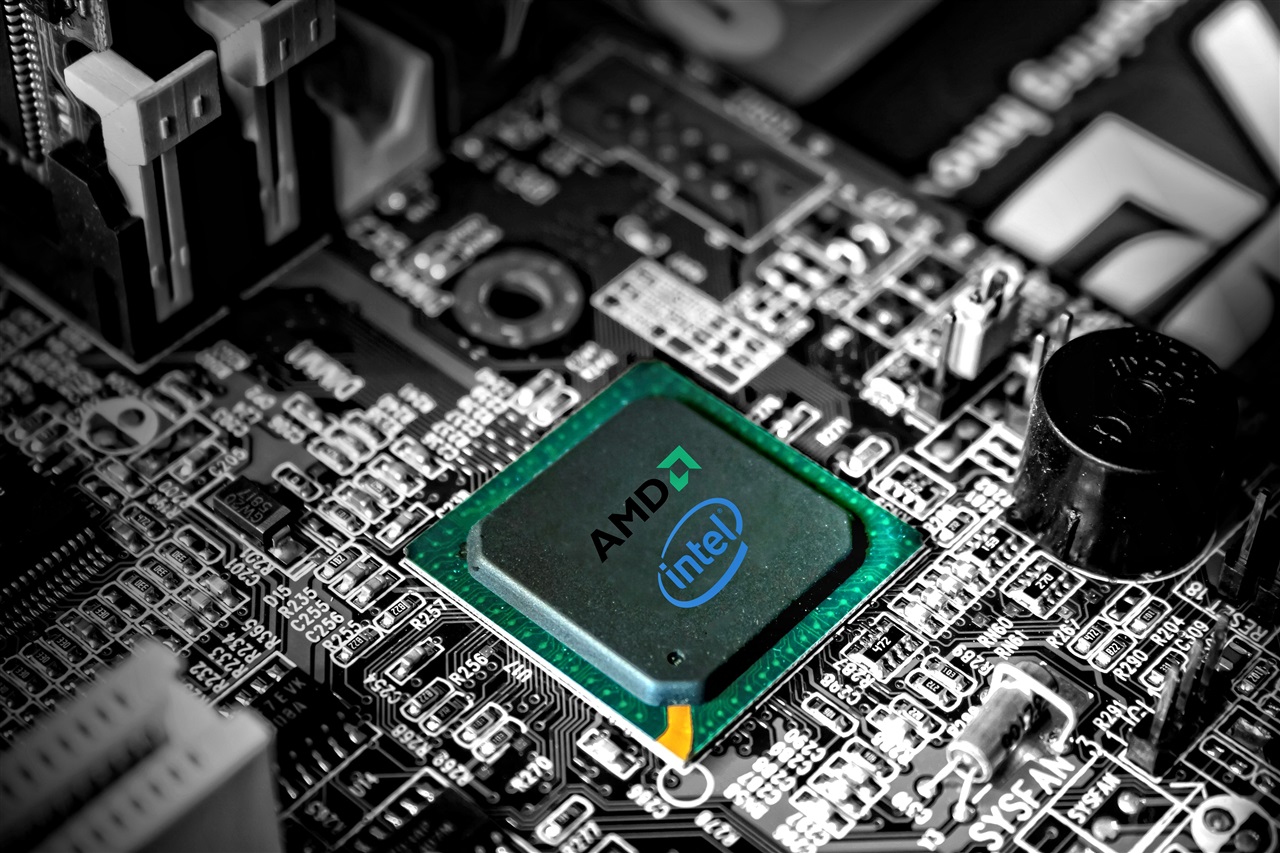
The Intel-AMD axis is no longer just an analyst’s hypothesis. The two companies that for decades competed in the x86 processor market have jointly announced ACE, a platform that represents their answer to the relentless rise of Arm in the server and cloud segment. The message is clear: the x86 ecosystem will not cede ground without a fight.
An unexpected common front
Behind the acronym ACE – for which no technical details have yet been released – lies an initiative that brings together the two multinationals to defend the compatibility and innovation of the x86 architecture. The stated goal is to slow the adoption of Arm-based processors, which in recent years have captured growing market share thanks to custom chips from Amazon (Graviton), Ampere, and, more recently, Google’s Axion server launch.
The move comes at a delicate time: Arm architectures are eroding x86 supremacy not only on energy efficiency but also because they enable hyperscalers to differentiate their own hardware infrastructure, reducing dependence on traditional suppliers.
Why architecture choice matters for on-premise AI
In the world of self-hosted artificial intelligence, the silicon architecture decision is never neutral. Anyone evaluating an on-prem LLM deployment, air-gapped or on bare metal, must weigh variables ranging from inference latency to thermal management, not to mention the availability of optimized frameworks.
Historically, on-prem AI infrastructure has relied on NVIDIA GPUs and x86 CPUs, with a mature software ecosystem. The introduction of Arm-based alternatives – such as EC2 instances with Graviton chips capable of accelerating inference via vector extensions – is shifting the balance. The possibility of achieving similar performance with lower consumption and reduced operating costs makes Arm an appealing proposition, but it raises questions about compatibility with existing pipelines and long-term support.
ACE, though still shrouded in mystery, signals Intel and AMD’s determination to keep the x86 ecosystem relevant precisely in this scenario. A joint platform could translate into shared certification paths, common optimizations for inference libraries, and a coherent roadmap for the most demanding AI workloads.
What it could mean for sovereignty and control
The dimension of digital sovereignty weighs ever more heavily in deployment choices. Organizations operating in regulated sectors or those needing to comply with requirements such as GDPR prefer to keep data in-house. In such contexts, the predictability of x86 hardware and the vast installed base offer an advantage in terms of audit and compliance.
If ACE succeeds in charting a common path for the entire x86 ecosystem, it could simplify life for those managing complex infrastructures, reducing fragmentation and containing overall TCO. This is no small detail: for a company performing on-site model fine-tuning, every percentage point of improvement in computational efficiency translates into energy savings and lower cooling demands.
AI-RADAR will follow ACE developments with a keen eye on the implications for on-premise architectures, aware that the choice between x86 and Arm is not merely technical but affects long-term strategies for data and algorithm control.
A clash that will shape the next decade
The x86 counteroffensive risks being a last-ditch effort to consolidate an ecosystem that dominated for thirty years. Intel and AMD find themselves collaborating while each pursues its own strategy: Intel is betting on Xeon processors with integrated AI accelerators, AMD is pushing EPYC chips with enhanced 3D V-Cache. ACE could act as the glue that avoids a scattering of forces.
It remains to be seen whether this will be enough to stop Arm, which enjoys the backing of companies like Apple, Qualcomm, and NVIDIA (with the Grace-Hopper integration). One thing is certain: the competition will benefit those in the enterprise back office who must decide on which machines the models of the future will run.






💬 Comments (0)
🔒 Log in or register to comment on articles.
No comments yet. Be the first to comment!