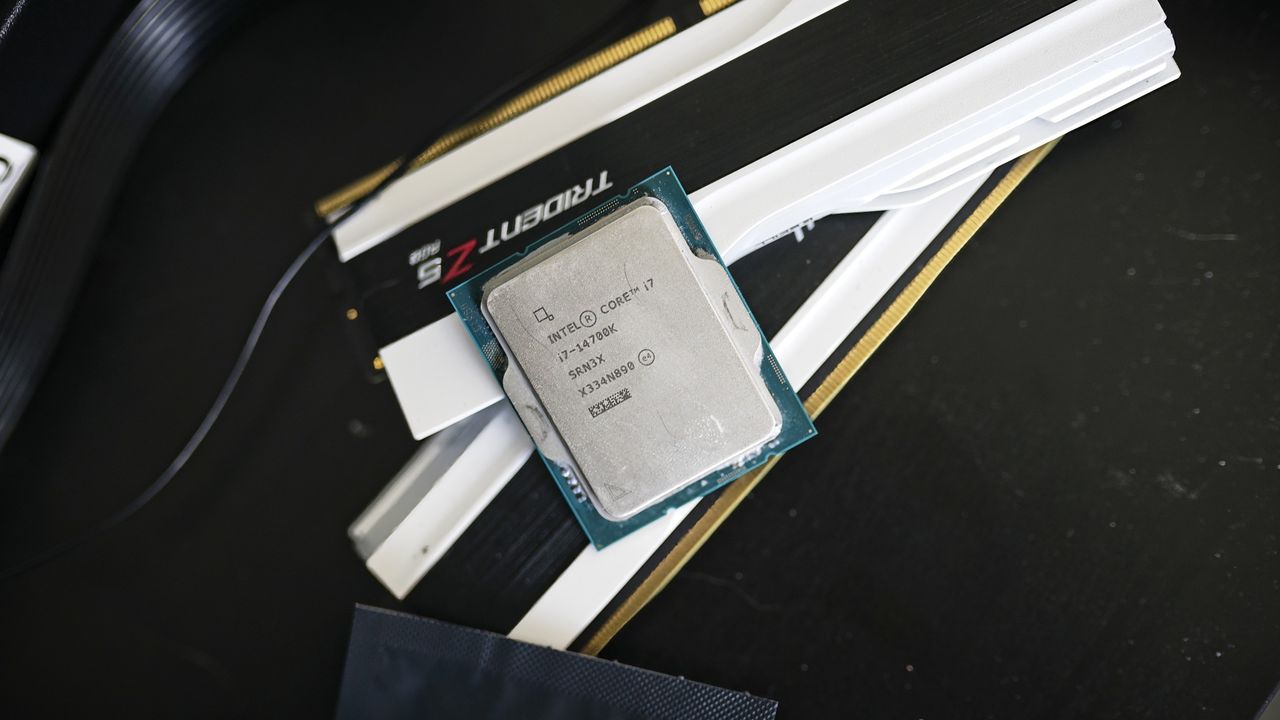
Intel and the Return to DDR4: A Strategic Move for 2027
Intel is reportedly planning an unexpected return to DDR4 systems with its upcoming platform, tentatively named 'Raptor Lake Next'. This move, anticipated for the first half of 2027, would see the Santa Clara giant reusing the established LGA 1700 socket. The news suggests a strategy aimed at extending the longevity of more budget-friendly configurations, offering an interesting alternative in a constantly evolving market.
For companies managing complex IT infrastructures, particularly those evaluating on-premise deployments for intensive workloads like LLMs, hardware longevity and Total Cost of Ownership (TCO) are critical factors. Intel's decision could reflect a growing focus on investment sustainability, allowing enterprises to optimize upgrade cycles and maintain greater control over operational costs.
Technical Details and Infrastructure Implications
The return to DDR4 support for a future platform like 'Raptor Lake Next' on LGA 1700 is significant. Although DDR5 memory offers higher bandwidth and potentially lower latencies, DDR4 modules remain more affordable and widely available. This technical choice could translate into lower initial hardware costs and greater flexibility in inventory management for businesses.
In the context of AI and LLM workloads, system memory (RAM) plays a fundamental role, complementing GPU VRAM. While VRAM is crucial for inference and training of larger models, system RAM is essential for model loading, dataset management, data pre-processing, and the execution of other pipeline components. An infrastructure that effectively balances system RAM costs with performance requirements can have a direct impact on the overall efficiency of an on-premise deployment.
Market Context and Strategic Advantages
Intel's strategy, which extends the lifespan of an existing platform, is reminiscent of AMD's past approach, which maintained compatibility with previous sockets for several CPU generations. This move can be interpreted as an attempt to consolidate its position in the more cost-effective platform segment, offering a less burdensome upgrade path for users.
For CTOs and infrastructure architects, the ability to extend a platform's life means being able to amortize hardware investments over a longer period, reducing CapEx. This is particularly relevant for on-premise deployment strategies, where direct control over hardware and data sovereignty are priorities. The stability of a consolidated platform can also simplify management and maintenance, contributing to a more favorable TCO in the long run.
Future Outlook and Deployment Decisions
The hardware market is evolving rapidly, driven by innovation in AI and Large Language Models. However, Intel's decision highlights that not all strategies must exclusively aim for maximum performance at any cost. There is a significant segment of enterprise users who value stability, compatibility, and cost optimization.
For those evaluating on-premise LLM deployments, the choice of hardware platform is a complex trade-off between peak performance, initial costs, long-term TCO, and compliance requirements. Intel's potential offering with 'Raptor Lake Next' could add an interesting option to balance these needs, providing a solid and cost-effective foundation. AI-RADAR offers analytical frameworks on /llm-onpremise to help evaluate these trade-offs, providing tools for informed decisions without direct recommendations.









💬 Comments (0)
🔒 Log in or register to comment on articles.
No comments yet. Be the first to comment!