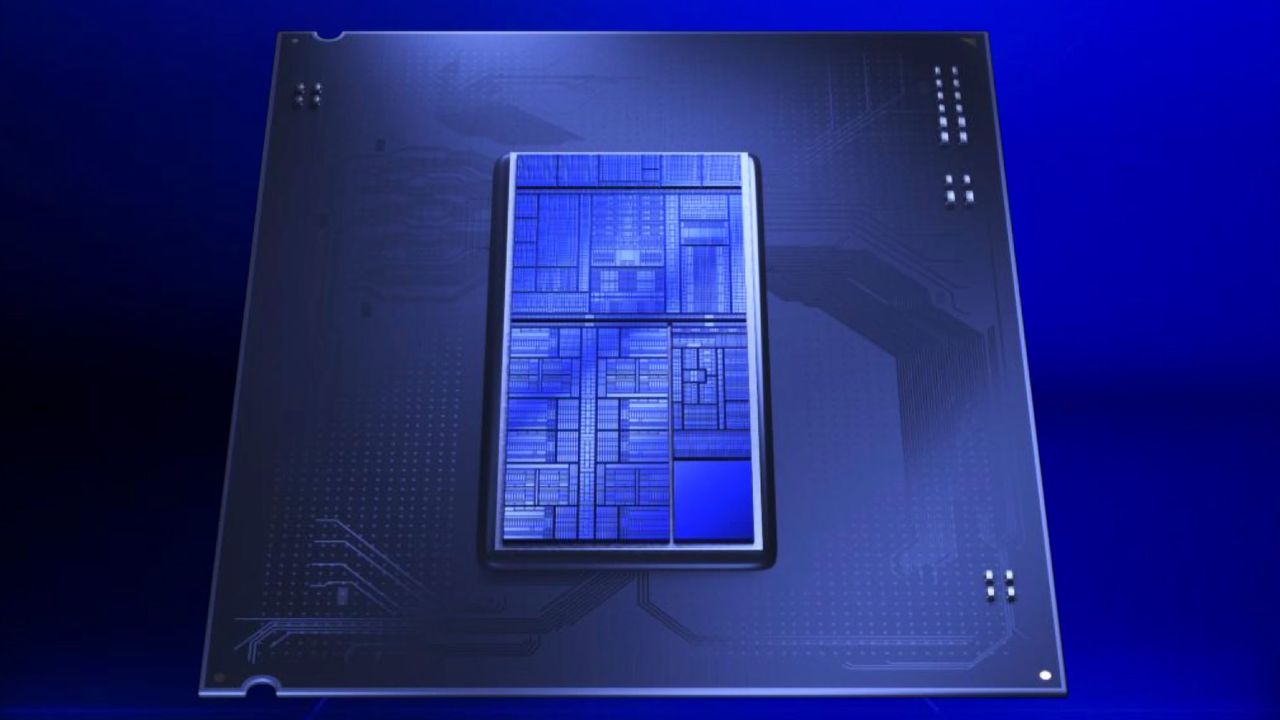
Intel Introduces iGPU-less Core 200H Processors for SFF Systems
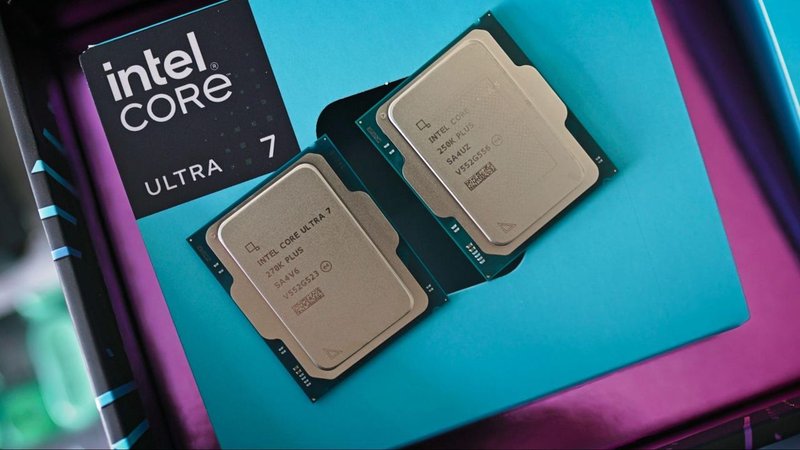
Intel has recently expanded its processor portfolio with the introduction of two new models in the Core 200H series: the Core 7 230H and Core 5 205H. While originating from the mobile line, these chips have been specifically designed for use in the Small Form Factor (SFF) desktop segment. Their primary distinguishing feature is their "iGPU-less" configuration, meaning they lack an integrated graphics processing unit.
This strategic move by Intel suggests a growing focus on market niches that demand hardware solutions optimized for specific tasks. The absence of an integrated GPU is not a limitation but a design choice aimed at reducing the Total Cost of Ownership (TCO) and simplifying the architecture for scenarios where a discrete graphics card is already planned or required.
Technical Details and Raptor Lake Architecture
The new Core 7 230H and Core 5 205H processors are based on the Raptor Lake architecture, a well-established iteration offering a balance between performance and energy efficiency. Traditionally, "H" series processors are designed for high-performance notebooks, but their adaptation for the iGPU-less SFF desktop segment opens up new possibilities for system designers.
Disabling or omitting the integrated GPU allows motherboard manufacturers and system integrators to design more compact and thermally efficient solutions. This is particularly relevant for applications requiring dedicated graphics acceleration, such as compact workstations, edge computing systems with AI/ML workloads, or inference servers that need discrete GPUs to process Large Language Models (LLM) or other complex models.
Implications for On-Premise Deployments and AI
For enterprises evaluating on-premise deployments, the availability of iGPU-less CPUs can represent a significant advantage. In environments where data sovereignty and hardware control are paramount, component optimization can directly impact TCO and infrastructure complexity. Eliminating an unnecessary component, such as an integrated GPU, can reduce power consumption and heat generation, crucial aspects in data centers or server racks with limited space and cooling.
These processors fit well into a local AI stack, where LLM inference or fine-tuning of smaller models occurs on dedicated hardware. Choosing an "iGPU-less" processor allows budget and power resources to be allocated exclusively to the CPU and discrete GPU, maximizing efficiency for intensive workloads. For those evaluating on-premise deployments, AI-RADAR offers analytical frameworks on /llm-onpremise to evaluate trade-offs between self-hosted and cloud solutions, considering factors such as CapEx, OpEx, and compliance requirements.
Future Prospects and Trade-offs in Hardware Design
The introduction of these chips highlights a market trend towards greater hardware modularity and specialization. While the absence of an iGPU might limit flexibility for general-purpose use without a dedicated graphics card, it offers an optimized path for specific scenarios. This approach enables tech decision-makers to build more targeted infrastructures, avoiding resource waste and optimizing performance for the intended workload.
The choice between a processor with or without an iGPU strictly depends on the anticipated workload and the overall system architecture. For professionals designing solutions for AI, edge computing, or compact servers, the Core 7 230H and Core 5 205H represent compelling options for balancing performance, cost, and space requirements, contributing to more efficient and controlled deployment strategies.







💬 Comments (0)
🔒 Log in or register to comment on articles.
No comments yet. Be the first to comment!