L'Importanza del Packaging Avanzato nell'Era dell'AI
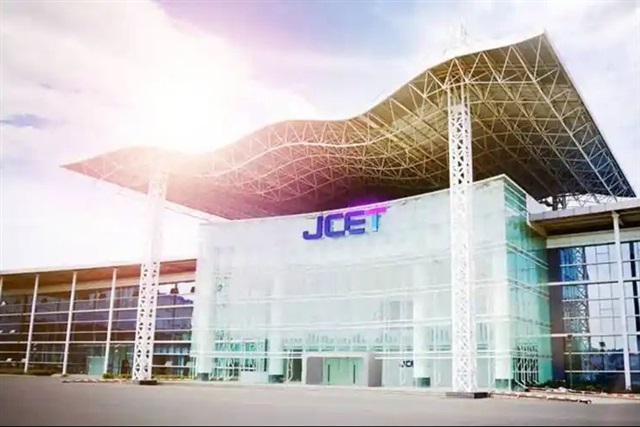
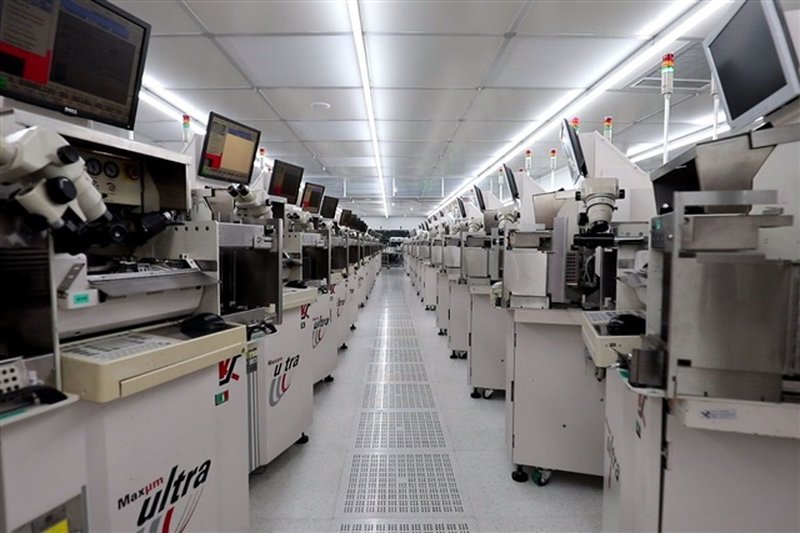
Nel panorama tecnicico attuale, l'intelligenza artificiale, e in particolare i Large Language Models (LLM), stanno ridefinendo i requisiti per l'hardware. Mentre l'attenzione si concentra spesso sulle GPU e sulle architetture dei chip, il packaging, ovvero il modo in cui i chip sono assemblati e interconnessi, emerge come un fattore critico per le prestazioni complessive. JCET, un attore chiave nel settore dei servizi di assemblaggio e test di semiconduttori, sta investendo significativamente in tecnicie di packaging avanzato per rispondere a questa evoluzione.
L'obiettivo è chiaro: intercettare la crescente domanda di soluzioni di packaging capaci di supportare le esigenze estreme dei carichi di lavoro AI. Questo include la necessità di maggiore larghezza di banda, minore latenza e una gestione termica più efficiente, tutti elementi fondamentali per l'Inference e il training di modelli complessi. Le innovazioni in questo campo hanno un impatto diretto sulla fattibilità e sull'efficienza dei deployment AI, specialmente per le organizzazioni che scelgono di mantenere le proprie infrastrutture on-premise.
Co-Packaged Optics (CPO) e Substrati in Vetro: Le Nuove Frontiere
Al centro della strategia di JCET vi sono due tecnicie promettenti: il Co-Packaged Optics (CPO) e i substrati in vetro. Il CPO rappresenta un approccio rivoluzionario in cui i componenti ottici, responsabili della trasmissione dei dati tramite luce, vengono integrati direttamente nello stesso package del chip elettronico. Questo riduce drasticamente la distanza che i segnali devono percorrere, migliorando significativamente la velocità di comunicazione e riducendo il consumo energetico rispetto alle soluzioni tradizionali basate su cavi in rame.
Parallelamente, i substrati in vetro stanno emergendo come un'alternativa superiore ai substrati organici tradizionali. Il vetro offre vantaggi intrinseci come una maggiore stabilità dimensionale, una migliore gestione termica e proprietà elettriche superiori, che consentono di realizzare interconnessioni più dense e affidabili. Queste caratteristiche sono cruciali per i chip AI che richiedono un'elevata densità di transistor e un'integrazione complessa di diverse funzionalità all'interno di un unico package, garantendo prestazioni ottimali anche sotto carichi intensi.
Implicazioni per i Deployment AI On-Premise
Le innovazioni nel packaging avanzato hanno ripercussioni significative per le aziende che valutano deployment AI on-premise. Un packaging più efficiente si traduce in chip con prestazioni superiori, che possono elaborare più Token per secondo o supportare modelli più grandi con la stessa quantità di VRAM. Questo è fondamentale per ottimizzare il Total Cost of Ownership (TCO) delle infrastrutture AI, riducendo i costi operativi legati all'energia e al raffreddamento, pur mantenendo elevate capacità di calcolo.
Per le organizzazioni che prioritizzano la sovranità dei dati e la compliance, la possibilità di implementare soluzioni AI robuste e performanti in ambienti self-hosted o air-gapped è cruciale. L'avanzamento di tecnicie come CPO e i substrati in vetro permette di costruire server e cluster AI più densi e potenti, massimizzando l'utilizzo dello spazio e delle risorse disponibili nel datacenter. Questo offre un'alternativa concreta e competitiva ai servizi cloud, fornendo maggiore controllo e sicurezza sui carichi di lavoro sensibili. Per chi valuta i trade-off tra cloud e on-premise, AI-RADAR offre framework analitici dettagliati su /llm-onpremise per supportare decisioni informate.
Prospettive Future e Sfide Tecnologiche
Il percorso verso un packaging AI sempre più avanzato è costellato di sfide. L'integrazione di componenti ottici ed elettronici richiede processi di produzione estremamente precisi e materiali innovativi. La gestione del calore generato da chip sempre più potenti, anche con i vantaggi dei substrati in vetro, rimane una priorità. Tuttavia, l'impegno di aziende come JCET dimostra una chiara direzione verso soluzioni che non solo migliorano le prestazioni, ma anche l'efficienza energetica e la densità di integrazione.
Questi sviluppi sono essenziali per sbloccare il pieno potenziale dell'AI, consentendo l'implementazione di modelli sempre più complessi e la gestione di volumi di dati crescenti. Per i CTO, i responsabili DevOps e gli architetti di infrastruttura, comprendere queste evoluzioni nel packaging è fondamentale per pianificare investimenti futuri e costruire architetture AI resilienti, scalabili e conformi alle proprie esigenze di controllo e sovranità.





💬 Commenti (0)
🔒 Accedi o registrati per commentare gli articoli.
Nessun commento ancora. Sii il primo a commentare!