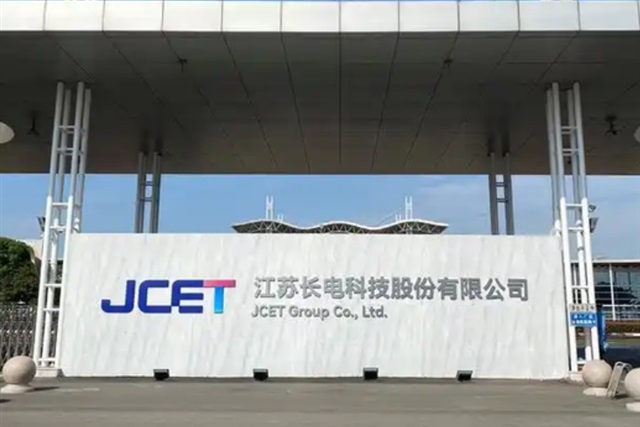
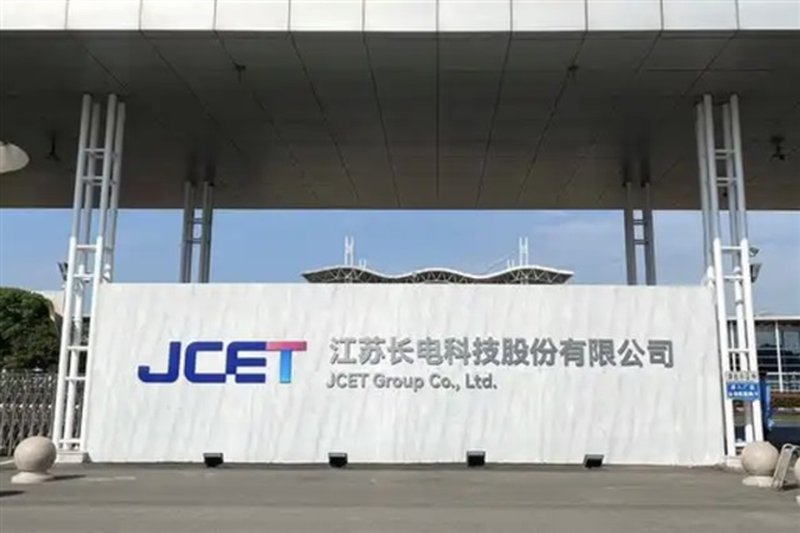
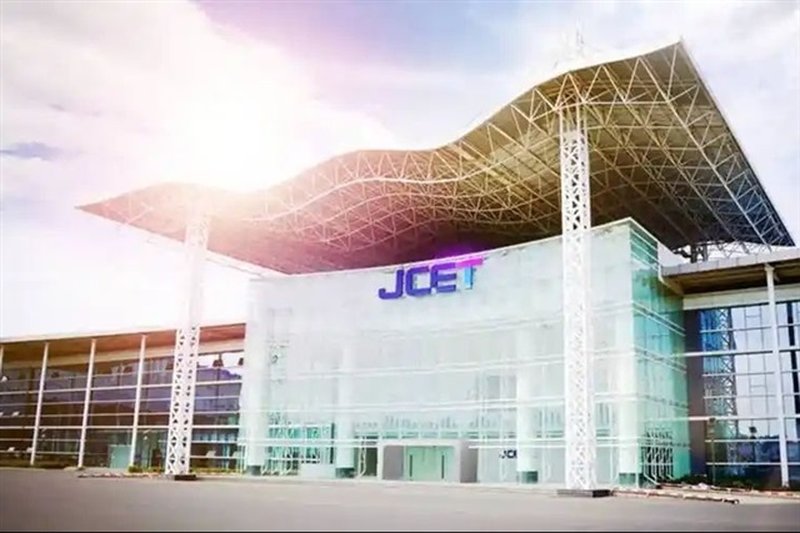
JCET, an acronym that may sound unfamiliar, is actually the world's third-largest player in semiconductor packaging and testing. The news that it will allocate $1.1 billion to a plant dedicated exclusively to packaging AI chips is not a niche detail: it sends a strong signal to anyone considering building on-premise infrastructure for LLMs and inference.
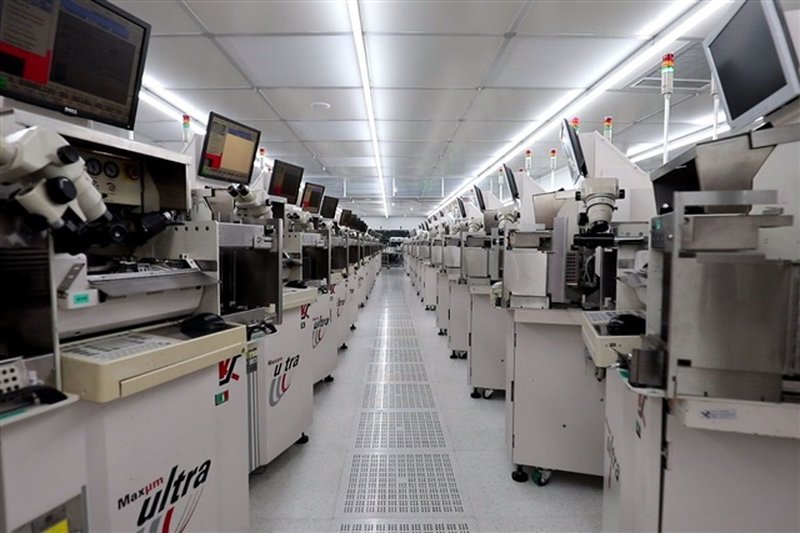
The invisible link in the chain is advanced packaging. When we talk about GPUs like NVIDIA's H100 or custom inference solutions, we forget that bare silicon isn't enough: techniques like CoWoS (Chip-on-Wafer-on-Substrate) are needed to connect chips with HBM memory through high-bandwidth interconnects. This is where the market has suffered bottlenecks for months, with supply queues and exploding costs. JCET, with this factory, aims to multiply capacity at exactly that critical point.
JCET's move and the packaging bottleneck
The new plant, located in China and backed by a $1.1 billion investment, won't manufacture chips but will assemble them into usable modules. A crucial distinction for understanding why this matters. Without packaging, even the best chip design remains a prototype. The ability to package accelerators at industrial volumes is currently concentrated in a few hands (TSMC, ASE, JCET itself), and when demand explodes — driven by AI — lead times stretch. JCET adds production capacity in an area where it was lacking, potentially opening a second supply line for boards and systems.
What it means for self-hosted deployment
For companies evaluating on-premise LLM deployment — whether a single machine with four GPUs or an air-gapped cluster — hardware cost is dominated by chip availability. A broader packaging supply translates into more boards on the market, less dependence on a single vendor, and, in the medium term, a more predictable TCO. This isn't science fiction: every additional percentage point of packaging capacity feeds directly into actual accelerator deliveries. Moreover, an investment of this size signals that AI chip demand is no flash in the pan but a structural trend. Those planning a shift to private infrastructure can read it as indirect confirmation that the ecosystem is gearing up to support growing volumes.
The geopolitical context and technological sovereignty
The location cannot be ignored: China. In a landscape of export restrictions on advanced semiconductors, a domestic packaging plant responds to autonomy needs. But it also triggers global ripple effects. If JCET increases the supply of packaging services, chipmakers (even non-Chinese ones) could find an alternative to boost volumes. For a European organization weighing GDPR and data sovereignty, having more hardware suppliers means less risk of depending on blocked supply chains or unstable trade agreements. On the AI-RADAR site, in the section dedicated to on-premise evaluation frameworks (/llm-onpremise), these trade-offs are precisely what gets analyzed: it's not enough to check a board's specs; you need to understand if and when it will be available.
An investment that speaks of maturity
The JCET plant won't materialize overnight. But the decision reveals that the industry now views AI packaging as a standalone market, with precision and volume requirements so specific that they justify a dedicated investment. It's a piece that fits into the broader map for those, in Italy and across Europe, designing local data centers for LLMs and perhaps discovering that the bottleneck isn't the model or the framework, but the physics of the supply chain. A pragmatic analysis of hardware options today can no longer be limited to comparing VRAM and teraflops: it must include the solidity of the pipeline that produces them.




💬 Comments (0)
🔒 Log in or register to comment on articles.
No comments yet. Be the first to comment!