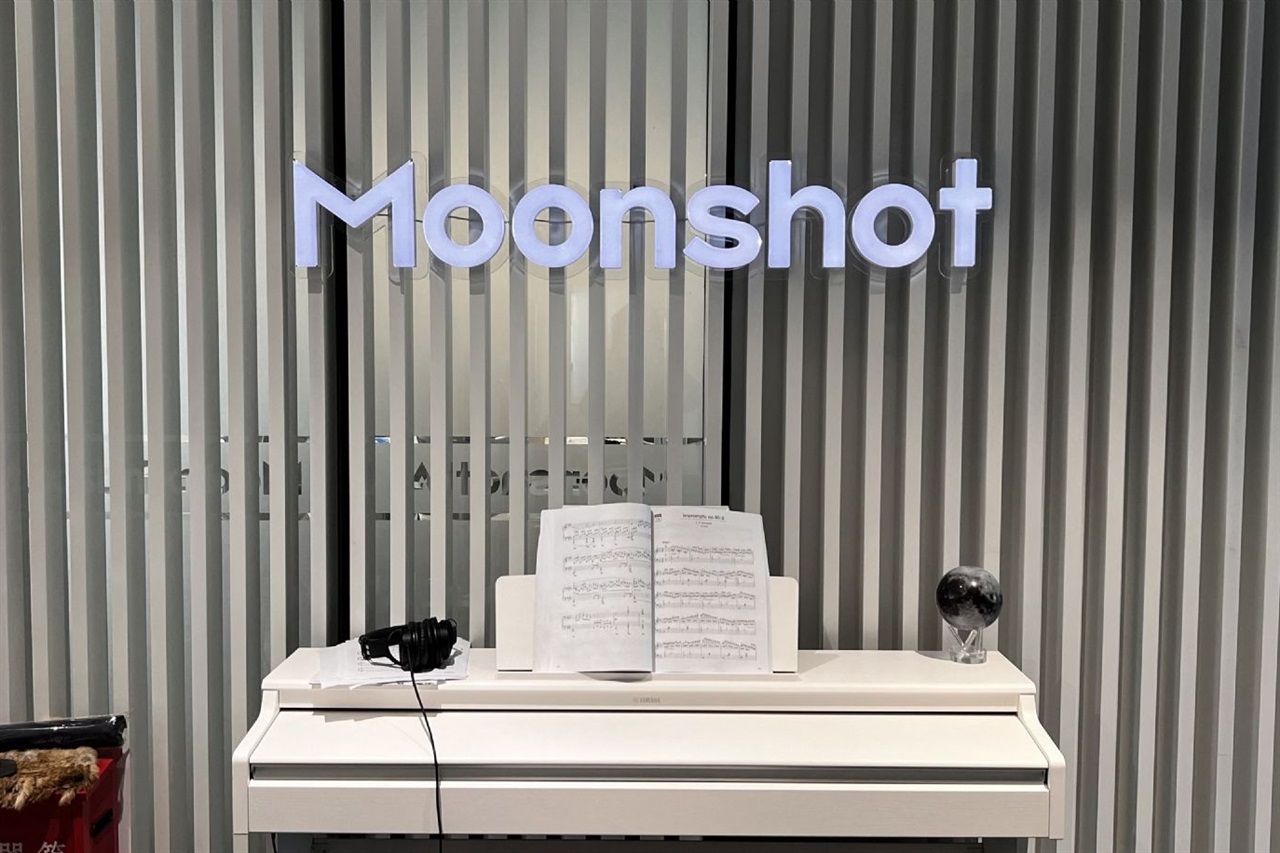
Moonshot’s Kimi K3, a free model from the Beijing-based startup, has reportedly reached performance parity with Anthropic’s Opus, one of the most advanced subscription-based models. The milestone shifts the calculus for anyone architecting self-hosted AI: the quality once locked behind expensive cloud API gateways is becoming replicable on own hardware, bringing with it gains in data sovereignty, latency control, and the elimination of per-token recurring costs.
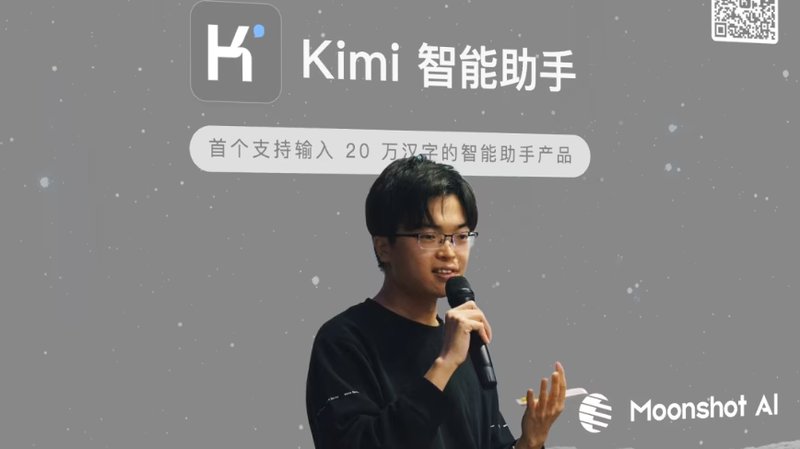
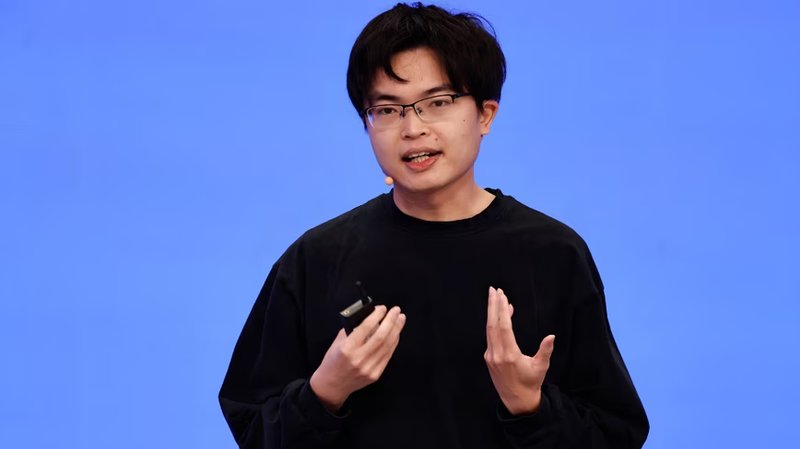
Moonshot is no newcomer. Founded by Yang Zhilin, the company had already shown with its Kimi series that it could compete with Western giants. K3, the latest iteration, seems to confirm a accelerating trend: the democratization of frontier Large Language Models. Open AI — here meaning not just open-source licenses but models distributed freely and without usage restrictions — closes the gap on paid products.
For IT managers and decision-makers using AI-RADAR to evaluate on-premise inference, this development is more than symbolic. A model matching Opus’s capabilities, if runnable locally without license fees, upends TCO calculations. Until now, variable API costs forced many organizations to accept latency and vendor lock-in. The possibility of downloading a free checkpoint offering the same quality level makes hardware investment — despite power and cooling demands — a concrete path toward independence and long-term cost predictability.
The hardware implications are non-trivial, however. Models of this caliber typically require GPUs with tens of gigabytes of VRAM, likely in the NVIDIA A100 or H100 class, and techniques like quantization (FP16 or INT8) to keep memory footprint manageable. Maintaining acceptable production latency demands careful throughput sizing, especially since multi-GPU inference with NVLink carries significant upfront cost. But eliminating per-token expenses makes payback predictable, particularly for steady workloads.
Moonshot’s move also sparks a short circuit in model competition. On one side, proprietary vendors — Anthropic, OpenAI, Google — must now differentiate not on raw output quality but on ecosystem: safety, enterprise integration, regulatory compliance, and orchestration features. On the other, the proliferation of equivalent free models erodes the value of a single text response and shifts value to proprietary data, domain-specific fine-tuning, and retrieval-augmented generation pipelines.
Who wins? Enterprises with solid IT infrastructure that can absorb GPU investment and optimize local workloads; sovereign cloud providers where clients retain control over both data and model; and makers of LLM serving tooling (like vLLM, TGI, Ollama) that see rising demand for efficient on-premise stacks. Who loses? Those whose business consists solely of reselling access to other companies’ models, without tangible value beyond the API.
Kimi K3 adds a piece to an already crowded board. Models like Llama 3, DeepSeek-V3, Qwen, and Mistral Large have already shown that the gap between open and closed is narrowing. Moonshot brings a Chinese flag to this race, proving that LLM innovation is no longer the exclusive preserve of a few West Coast players. For anyone about to launch a generative AI project, the message is clear: reliance on proprietary APIs is no longer a technical necessity but a choice — and on-premise options are becoming more competitive by the day.



💬 Comments (0)
🔒 Log in or register to comment on articles.
No comments yet. Be the first to comment!