AI's Push on the Electronic Supply Chain
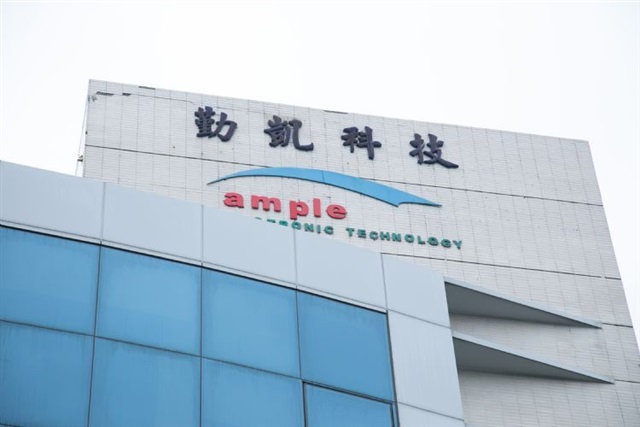
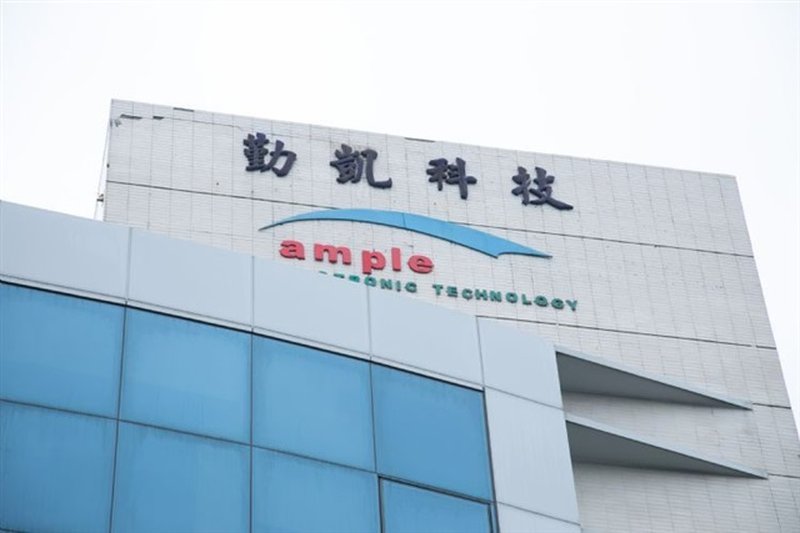
The artificial intelligence sector continues its rapid expansion, creating a cascading effect that extends far beyond Large Language Models (LLMs) and software frameworks. According to Ample Electronic, the growing demand for AI solutions is fueling a significant increase in the request for passive components, particularly Multi-Layer Ceramic Capacitors (MLCCs). These small yet fundamental elements are the beating heart of almost every modern electronic device, from server motherboards to high-performance GPUs.
Ample Electronic's observation highlights how innovation in AI is not limited to advancements in silicon or algorithms but critically depends on the availability and performance of basic electronic components. The stability and energy efficiency required by increasingly complex AI architectures pose new challenges for the production of these essential elements, making them an important barometer of the health and direction of the technology market.
The Critical Role of MLCCs in AI Infrastructure
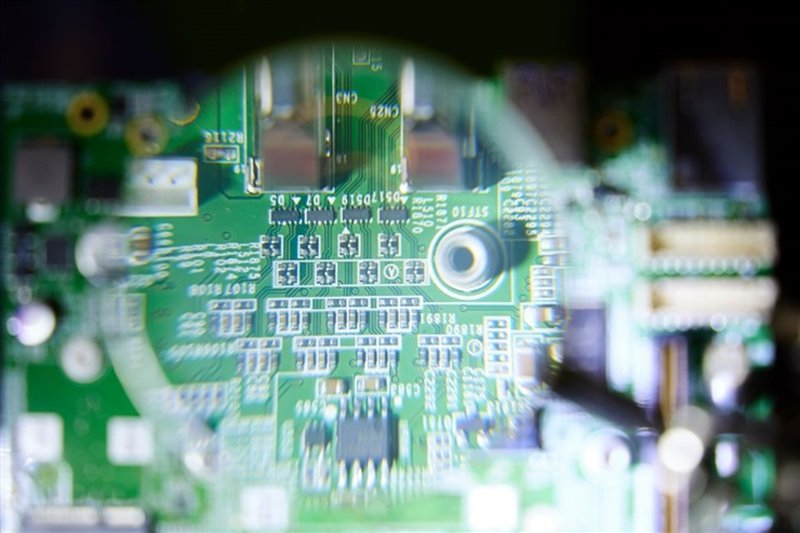
Multi-Layer Ceramic Capacitors (MLCCs) perform vital functions within electronic circuits, acting as energy reservoirs, noise filters, and voltage stabilizers. In computationally intensive contexts such as AI inference and training, their importance is amplified. Modern GPUs, for instance, require thousands of MLCCs to ensure clean and stable power delivery to processing cores, preventing fluctuations that could compromise performance or data integrity.
As AI chip complexity increases and the need to manage ever-higher power levels grows, the density and quality of MLCCs become critical factors. Robust AI infrastructure, whether self-hosted in an on-premise data center or distributed in the cloud, intrinsically depends on the ability of these components to operate under extreme conditions, maintaining system stability and contributing to overall energy efficiency. Their presence is ubiquitous, from VRAM memory boards to power supply modules, making them a potential bottleneck if demand outstrips supply.
Implications for the Supply Chain and On-Premise Deployments
The AI-driven surge in MLCC demand has direct repercussions on the global supply chain. An increase in demand can lead to longer lead times and potential cost increases, factors that companies must carefully consider when planning their AI infrastructure investments. For those evaluating on-premise deployments, understanding these supply chain constraints is crucial. The availability of passive components can influence not only the initial hardware cost (CapEx) but also the long-term Total Cost of Ownership (TCO), due to potential delays in maintenance or expansion.
Organizations opting for self-hosted solutions must anticipate these market dynamics, planning hardware and component procurement well in advance. Data sovereignty and full control over infrastructure are often key motivations for on-premise deployments, but these advantages must be balanced with the reality of an interconnected global supply chain. AI-RADAR offers analytical frameworks on /llm-onpremise to evaluate the trade-offs between costs, availability, and data sovereignty, providing useful tools for informed strategic decisions.
Future Prospects and Technological Challenges
The passive components sector is responding to growing demand with continuous innovations, focusing on miniaturization, increased capacitance, and improved performance in high-frequency and high-temperature environments. However, the speed at which AI evolves and its insatiable hunger for computational power continue to put pressure on manufacturers of MLCCs and other passive components. The ability to scale production and innovate rapidly will be crucial to supporting the next wave of artificial intelligence advancements.
Ultimately, the story of MLCCs and their increasing demand due to AI is a reminder that technological advancement is a complex ecosystem, where even the smallest and seemingly mundane components play an irreplaceable role. Their availability and reliability are the silent foundation upon which the entire artificial intelligence revolution rests, from the supercomputers training the largest models to the edge devices performing real-time inference.






💬 Comments (0)
🔒 Log in or register to comment on articles.
No comments yet. Be the first to comment!