The Critical Role of MLCCs in the AI Era
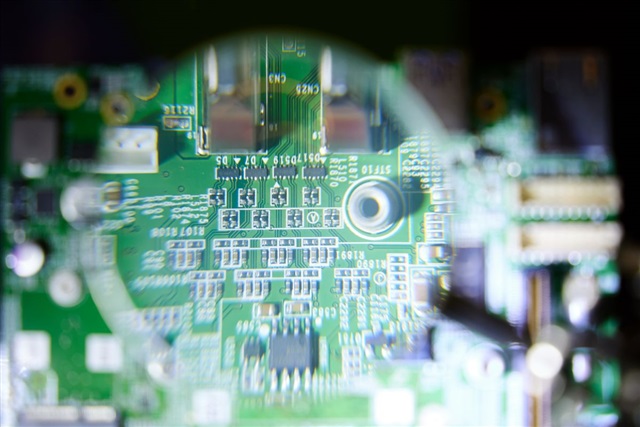
The infrastructure powering artificial intelligence, particularly Large Language Models (LLMs), relies on a myriad of electronic components, often overlooked but fundamental. Among these, multi-layer ceramic capacitors (MLCCs) play a crucial role. These small yet powerful devices are essential for power supply stabilization and electrical noise suppression within circuits, ensuring that high-performance processors, such as GPUs, can operate efficiently and reliably.
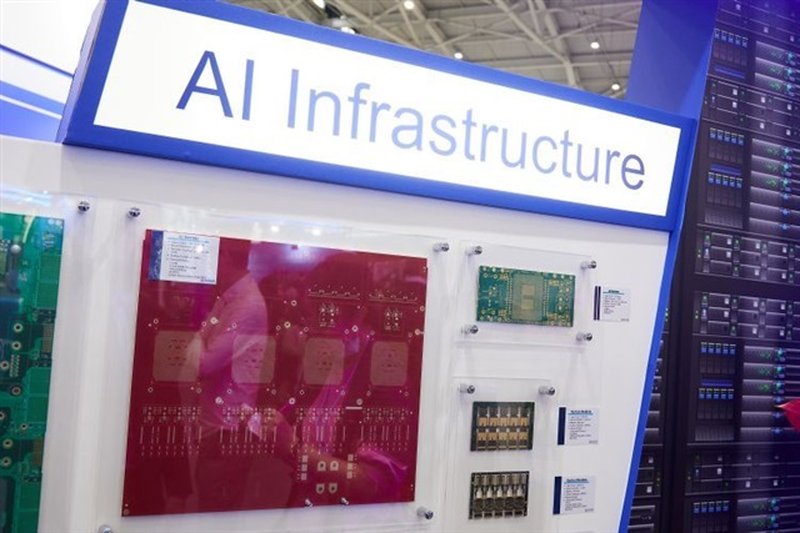
The growing adoption of AI workloads, which demand immense computing power, has amplified the need for specialized servers. These servers, equipped with arrays of GPUs and other processing units, require MLCCs with increasingly advanced characteristics, capable of handling high currents and ever-higher operating frequencies. Power stability is an indispensable prerequisite for the inference and training of complex LLMs, where even minimal fluctuations can compromise performance or data integrity.
AI Server Demand Drives the Supply Chain
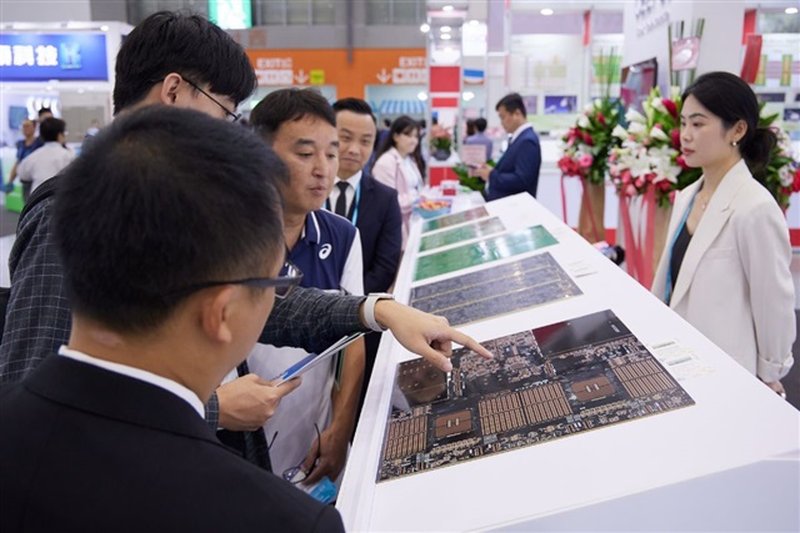
According to recent observations, Taiwanese MLCC manufacturers are experiencing a significant surge in demand, directly linked to the expansion of the AI server market. This phenomenon underscores how innovation in artificial intelligence is not just a matter of algorithms and software, but profoundly depends on the robustness and innovation capability of the hardware supply chain. The availability of high-performance MLCCs is an enabling factor for the production of next-generation AI servers.
For companies considering the deployment of LLMs on self-hosted or bare metal infrastructure, supply chain dynamics become a key element. The ability to procure quality components in sufficient quantities directly impacts implementation timelines and overall TCO. Dependence on specific suppliers and price volatility can pose significant challenges in strategic infrastructure planning.
Implications for On-Premise Deployment and Data Sovereignty
The choice to adopt an on-premise AI infrastructure is often driven by needs for data sovereignty, regulatory compliance, and greater control over the operational environment. In this context, the availability and specifications of hardware components, including MLCCs, assume strategic importance. Building a local data center for LLMs requires a deep understanding not only of GPUs and VRAM but also of all supporting elements that ensure optimal operation.
Hardware supply chain resilience is therefore a critical factor for those opting for self-hosted solutions. Any disruptions or delays in the supply of essential components can have a direct impact on an organization's ability to develop, test, and deploy its AI models. For those evaluating on-premise deployment, there are complex trade-offs between initial costs (CapEx), operational costs (OpEx), and the flexibility offered by direct hardware control. AI-RADAR offers analytical frameworks on /llm-onpremise to evaluate these trade-offs.
Future Outlook and Strategic Considerations
The AI server market is set for further growth, fueling sustained demand for advanced electronic components. This trend will push MLCC manufacturers to continuously innovate, developing products with higher power density, smaller sizes, and improved performance. For CTOs and infrastructure architects, monitoring these evolutions is crucial for making informed decisions.
Hardware selection for AI workloads is not limited to choosing the most powerful GPUs but includes a holistic evaluation of the entire platform, from network connectivity to storage, down to the smallest passive components like MLCCs. Understanding the constraints and opportunities offered by the global supply chain is essential for optimizing TCO and ensuring the scalability and reliability of AI solutions, whether in air-gapped environments or hybrid configurations.





💬 Comments (0)
🔒 Log in or register to comment on articles.
No comments yet. Be the first to comment!