
L'Intelligenza Artificiale ridefinisce la geografia dei datacenter nel Regno Unito
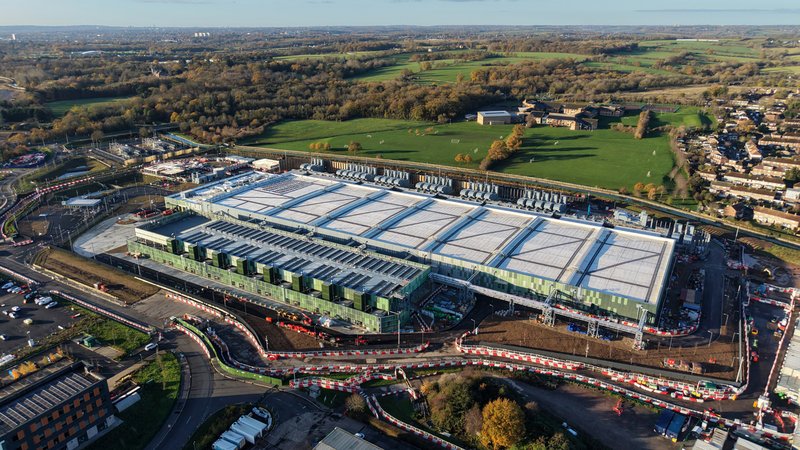
L'avanzata dell'intelligenza artificiale sta innescando una trasformazione significativa nel panorama delle infrastrutture digitali britanniche, in particolare per quanto riguarda la localizzazione dei datacenter. Secondo gli analisti del settore, si sta assistendo a un progressivo spostamento della capacità dei datacenter dedicati all'AI al di fuori della capitale, Londra, verso nuove aree geografiche. Questo fenomeno segna un cambiamento strategico nelle priorità di deployment delle infrastrutture critiche.
Le ragioni di questo spostamento sono molteplici e riflettono le esigenze specifiche dei carichi di lavoro legati all'AI. La crescente domanda di potenza di calcolo per l'addestramento e l'Inference di Large Language Models (LLM) impone requisiti energetici e di spazio che le aree urbane densamente popolate, come Londra, faticano a soddisfare. La disponibilità di energia elettrica e la facilità di ottenere permessi di costruzione per nuove strutture diventano fattori determinanti.
Nuove priorità infrastrutturali: energia e spazio
Tradizionalmente, la vicinanza ai centri finanziari di Londra e la conseguente necessità di connessioni a bassissima latenza erano un driver primario per la localizzazione dei datacenter nel sud-est dell'Inghilterra. Tuttavia, per i carichi di lavoro AI, questa dipendenza si è ridotta. Le applicazioni di intelligenza artificiale, pur richiedendo una potenza di calcolo immensa, spesso non necessitano della stessa latenza ultra-bassa critica per il trading ad alta frequenza.
Le nuove priorità si concentrano invece sull'accesso a fonti di energia affidabili e abbondanti, oltre che sulla disponibilità di ampi spazi fisici. I moderni cluster di GPU, essenziali per l'AI, consumano quantità significative di elettricità e generano un calore considerevole, richiedendo sistemi di raffreddamento avanzati e un'infrastruttura di alimentazione robusta. Questi requisiti rendono le aree con accesso diretto a reti elettriche ad alta capacità e con minori vincoli urbanistici decisamente più attraenti.
Implicazioni per il deployment on-premise e il TCO
Questo cambiamento geografico ha profonde implicazioni per le aziende che valutano strategie di deployment on-premise per i propri carichi di lavoro AI. La scelta della località non è più solo una questione di connettività, ma diventa un fattore cruciale per il Total Cost of Ownership (TCO) e la scalabilità a lungo termine. La disponibilità di energia a costi competitivi e la facilità di espansione fisica possono ridurre significativamente i costi operativi e di capitale.
Per chi considera un approccio self-hosted, la pianificazione infrastrutturale deve ora tenere conto di questi nuovi vincoli. La capacità di accedere a grandi quantità di energia e di disporre di spazio per l'espansione futura è fondamentale per ospitare cluster di GPU sempre più densi e potenti. Questo orientamento verso siti meno centrali può anche favorire una maggiore sovranità dei dati, permettendo alle aziende di mantenere il controllo fisico sull'hardware e sui dati in ambienti potenzialmente air-gapped, lontano dai nodi di rete più esposti. AI-RADAR offre framework analitici su /llm-onpremise per valutare i trade-off tra diverse opzioni di deployment.
Il futuro dell'infrastruttura AI britannica
Il trend di delocalizzazione dei datacenter AI da Londra è un chiaro indicatore di come le esigenze specifiche dell'intelligenza artificiale stiano rimodellando le decisioni infrastrutturali a livello nazionale. Non si tratta solo di spostare server, ma di ripensare l'intera pipeline di deployment, dalla pianificazione del sito alla gestione energetica. Le aziende che sapranno adattarsi a queste nuove priorità, investendo in località che offrono i requisiti ottimali per l'AI, saranno in una posizione vantaggiosa per sfruttare appieno il potenziale di questa tecnicia.
Questo spostamento sottolinea l'importanza di un'analisi approfondita dei fattori ambientali e infrastrutturali, oltre a quelli puramente tecnicici, nella progettazione di soluzioni AI scalabili e sostenibili. La Gran Bretagna si trova di fronte all'opportunità di sviluppare nuovi hub tecnicici, distribuiti sul territorio, che possano supportare la prossima generazione di innovazione basata sull'intelligenza artificiale.








💬 Commenti (0)
🔒 Accedi o registrati per commentare gli articoli.
Nessun commento ancora. Sii il primo a commentare!