The Nvidia-Microsoft AI PC Alliance and Its Geopolitical Implications
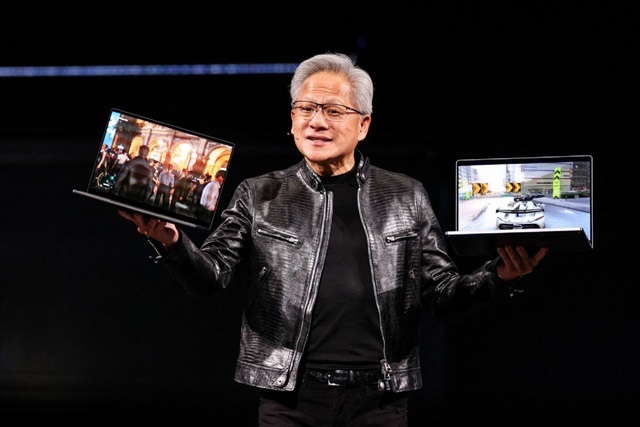
The artificial intelligence industry is in constant evolution, with new alliances and technological paradigms emerging rapidly. One of the most recent and significant is the partnership between Nvidia and Microsoft, focused on the development of so-called "AI PCs." This collaboration aims to integrate advanced artificial intelligence capabilities directly into personal computers, enabling the execution of AI workloads, including compact Large Language Models (LLMs), directly on the device rather than exclusively in the cloud.
This push towards on-device AI is not merely a matter of performance or user experience. It carries profound strategic and geopolitical implications, as highlighted by concerns expressed in South Korea regarding potential marginalization in the global AI landscape. The ability to control AI technology locally, from silicon to software, becomes a critical factor for technological sovereignty and national competitiveness.
Technical Details of AI PCs and Edge AI
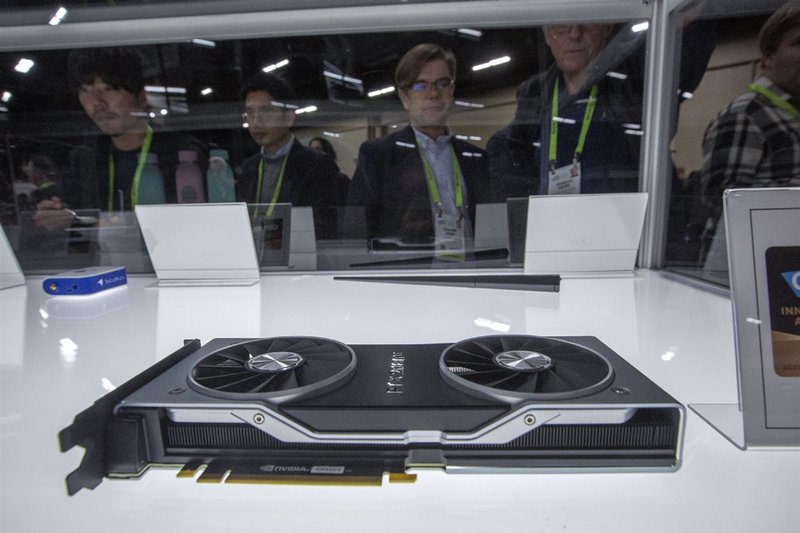
AI PCs represent a significant transition towards edge AI processing, a model that shifts inference and, in some cases, fine-tuning of AI models from the centralized data center to end devices. This architecture requires specialized hardware, such as Neural Processing Units (NPUs) integrated into CPUs or dedicated GPUs with sufficient VRAM to host compact language models. The goal is to reduce latency, enhance data privacy (data sovereignty), and, for certain workloads, optimize Total Cost of Ownership (TCO) by shifting investments from operational expenditures (OpEx) to capital expenditures (CapEx).
For enterprises evaluating on-premise deployments, the rise of AI PCs and edge AI introduces new opportunities and challenges. The ability to run LLMs locally on workstations or edge servers can improve data sovereignty, a crucial aspect for regulated industries or air-gapped environments. However, this requires careful evaluation of hardware specifications, such as the amount of available VRAM and throughput capacity to handle inference requests, in addition to considering techniques like quantization to adapt models to more limited hardware resources. AI-RADAR offers analytical frameworks on /llm-onpremise to evaluate these trade-offs, providing tools for informed decisions.
Context and Geopolitical Implications
The Nvidia-Microsoft alliance is not just a commercial partnership; it is a strategic move that could further consolidate these companies' leadership in the AI ecosystem. For nations like South Korea, which have invested heavily in semiconductor manufacturing and AI technology development, the emergence of such a powerful bloc raises legitimate concerns. The fear is that nations not part of these key alliances may find themselves at a disadvantage, struggling to compete in the development of next-generation AI hardware and software.
This scenario highlights the importance for every nation and enterprise to develop its own AI strategy, including the ability to manage and control its technology stacks. Dependence on a limited number of global suppliers for critical components like silicon or software frameworks can entail risks in terms of supply chain security, costs, and technological autonomy. The choice between cloud and self-hosted solutions thus becomes not only a technical or economic decision but also a strategic one, influencing an organization's ability to maintain control over its data and AI operations.
Future Prospects and Strategic Decisions
The future of AI will likely be hybrid, with workloads distributed across the cloud, edge, and end devices like AI PCs. This fragmentation requires CTOs, DevOps leads, and infrastructure architects to adopt a holistic approach to planning, considering not only performance and TCO but also data sovereignty and regulatory compliance. The ability to deploy and manage LLMs in diverse environments, from on-premise data centers to individual AI PCs, will become a key differentiator.
Alliances between tech giants like Nvidia and Microsoft will continue to shape the market, but the need for flexible and locally controllable solutions will remain a priority for many organizations. Understanding hardware specifications, VRAM requirements, and the implications of different deployment approaches will be crucial for navigating this complex landscape and ensuring that technological decisions support long-term strategic goals, while maintaining the necessary flexibility to adapt to rapid changes in the AI sector.






💬 Comments (0)
🔒 Log in or register to comment on articles.
No comments yet. Be the first to comment!