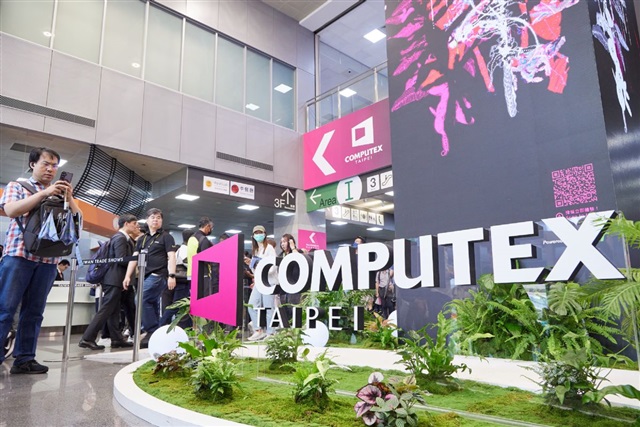
L'Influenza di Nvidia al COMPUTEX 2026
COMPUTEX 2026 ha confermato la posizione di Nvidia come attore centrale nel panorama tecnicico, in particolare per quanto riguarda l'intelligenza artificiale. L'attenzione si è concentrata sull'ampiezza e la profondità del suo ecosistema, che include non solo l'hardware per l'accelerazione AI, ma anche un vasto stack software e una community di sviluppatori consolidata. Questa egemonia non è passata inosservata, generando discussioni approfondite sulle sue implicazioni future per l'intero settore.
Per le aziende che operano con carichi di lavoro AI, specialmente i Large Language Models, la presenza dominante di un singolo attore come Nvidia impone una riflessione strategica. La scelta di un'infrastruttura per il training e l'Inference di LLM è complessa e deve bilanciare performance, costi e requisiti di controllo. In questo contesto, l'ecosistema Nvidia offre sia opportunità che vincoli, influenzando direttamente le decisioni di deployment on-premise.
Il Ruolo dell'Ecosistema Nvidia nel Deployment On-Premise
L'ecosistema Nvidia si estende dalle GPU ad alte prestazioni, essenziali per l'accelerazione dei carichi di lavoro AI, fino a Framework software come CUDA e librerie ottimizzate. Questa integrazione verticale mira a fornire una soluzione completa per lo sviluppo e il rilascio di applicazioni basate su intelligenza artificiale. Per le organizzazioni che optano per un deployment self-hosted, l'accesso a questo ecosistema può semplificare l'ottimizzazione delle performance e la gestione delle risorse, riducendo la complessità di integrare componenti da fornitori diversi.
Tuttavia, l'adozione di un ecosistema così pervasivo comporta anche considerazioni importanti. La dipendenza da un fornitore unico può influenzare la flessibilità architetturale e le opzioni future, potenzialmente limitando la capacità di esplorare soluzioni hardware o software alternative. Gli architetti di infrastruttura devono valutare attentamente i requisiti specifici in termini di VRAM, Throughput e latenza per i loro modelli, confrontando le offerte di Nvidia con soluzioni alternative o emergenti, sempre nell'ottica di un bilanciamento tra performance e costi.
Sovranità dei Dati e TCO: Le Implicazioni per le Aziende
La decisione di adottare un'infrastruttura on-premise per i Large Language Models è spesso guidata dalla necessità di mantenere la piena sovranità dei dati. Ambienti air-gapped o strettamente controllati richiedono hardware e software che possano operare in modo indipendente dalle infrastrutture cloud esterne. L'ecosistema Nvidia, pur essendo potente, deve essere integrato in una strategia che garantisca la compliance normativa e la sicurezza dei dati sensibili, un aspetto critico per settori come quello finanziario o sanitario, dove le normative sono particolarmente stringenti.
Un altro fattore determinante è il Total Cost of Ownership (TCO). Sebbene l'investimento iniziale (CapEx) per l'hardware Nvidia possa essere significativo, un deployment on-premise ben pianificato può offrire vantaggi a lungo termine in termini di costi operativi (OpEx) rispetto ai modelli basati su cloud, specialmente per carichi di lavoro consistenti e prevedibili. L'analisi del TCO deve considerare non solo il costo delle GPU, ma anche l'energia, il raffreddamento, la manutenzione e il personale specializzato necessario per gestire l'infrastruttura.
Prospettive Future e Scelte Strategiche
Il dominio di Nvidia al COMPUTEX 2026 sottolinea una tendenza di mercato in cui l'integrazione hardware-software gioca un ruolo chiave. Per le aziende che mirano a costruire e gestire la propria infrastruttura AI, comprendere le dinamiche di questo ecosistema è fondamentale. La capacità di scegliere tra diverse architetture, di ottimizzare i modelli tramite tecniche come la Quantization e di gestire efficacemente le risorse hardware diventa un differenziatore competitivo, permettendo di adattarsi rapidamente alle esigenze in evoluzione.
AI-RADAR si concentra proprio su queste sfide, offrendo analisi e Framework per valutare i trade-off tra deployment on-premise e soluzioni cloud. Per chi valuta alternative self-hosted per i carichi di lavoro LLM, è essenziale considerare tutti i vincoli e le opportunità, dalla sovranità dei dati alla gestione del TCO. Il mercato è in continua evoluzione, e una strategia infrastrutturale robusta richiede una valutazione costante delle opzioni disponibili per garantire controllo, efficienza e sicurezza.









💬 Commenti (0)
🔒 Accedi o registrati per commentare gli articoli.
Nessun commento ancora. Sii il primo a commentare!