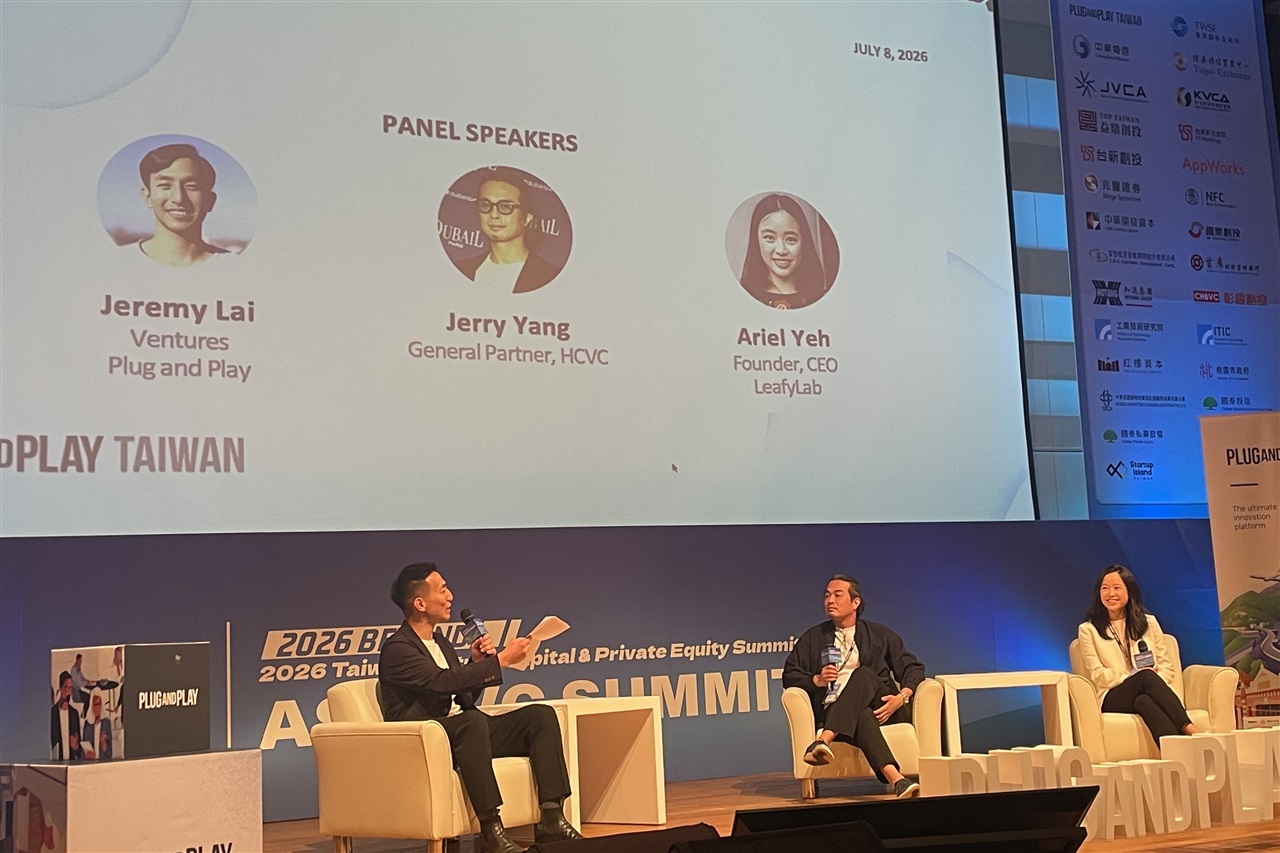
When a former chip designer, now a venture capitalist, chooses to address hype, the industry listens. Not because of institutional clout, but because someone who has gotten their hands dirty with transistors knows the boundary between a pretty slide and silicon that actually works in production. The message, as reported by Digitimes, is a reality check on artificial intelligence and co-packaged optics (CPO)—two technologies into which the industry is pouring capital and expectations that may be disproportionate to their actual maturity.
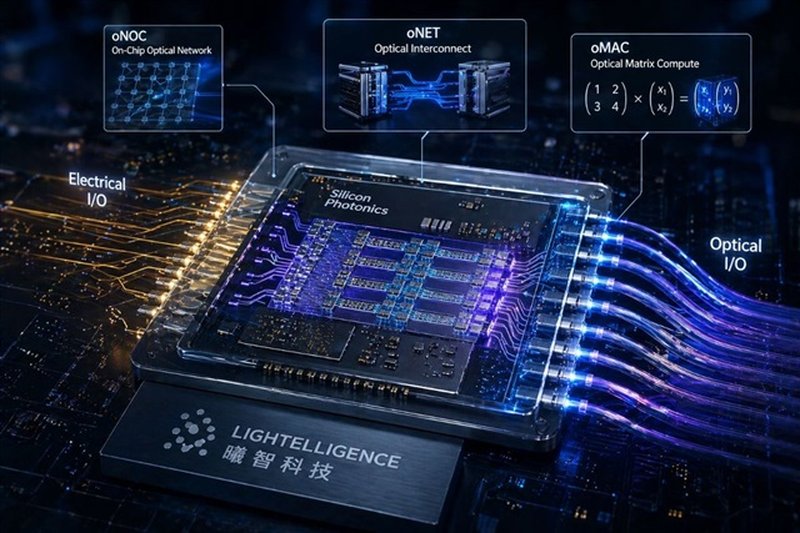
The point is not that AI and CPO are irrelevant. On the contrary, the demand for compute for LLMs and on-premise inference is pushing data centers toward ever-denser architectures, where bandwidth and energy efficiency become critical bottlenecks. CPO promises to shrink the electrical distance between chips and optical modules, cutting latency and power consumption. But here lies the warning: between a lab proof-of-concept and industrial-scale deployment stretch years of engineering, packaging costs that can explode, and reliability issues that no synthetic benchmark can anticipate.
For those evaluating self-hosted stacks—perhaps to keep data under control and avoid cloud constraints—the lesson is immediate. TCO is not calculated only on the energy bill or the purchase price of GPUs. It includes the integration of still-immature technologies that risk becoming technical debt. An on-premise node based on CPO requires optical maintenance skills that are scarce, and lock-in with a supplier pushing an unconsolidated roadmap can turn into a trap. The VC, drawing on their chip design background, puts a finger on this fragility: the semiconductor industry is cyclical, and hype inflates valuations that then deflate when fabs have to deliver volume and reliability.
A second-order effect deserves attention. If CPO fails to deliver on time, pressure shifts to more proven alternatives like advanced electrical interconnects (NVLink, Infinity Fabric) and software-hardware co-design strategies. This penalizes those who have bet everything on optics but rewards integrators who can orchestrate mature components into balanced architectures. For LLM workloads, this means that software optimization (quantization, parallelisms, inference pipelines) remains the safest multiplier, while hardware should be chosen pragmatically, favoring platforms with a consolidated tooling ecosystem.
On the data sovereignty front, the call for caution is even more pressing. Companies wanting to bring AI on-premise to comply with GDPR or sector-specific regulations must distrust overly aggressive roadmaps. A miscalculation about component maturity can result in unsustainable maintenance windows or the inability to scale without depending on external specialists, nullifying the control they sought. The voice of a former chip designer now examining the numbers as a VC is not a rejection but an invitation to bring the conversation back to substance: how many of the milliseconds gained with CPO translate into value for the end user? And at what real cost, after paying for integration and the learning curve?







💬 Comments (0)
🔒 Log in or register to comment on articles.
No comments yet. Be the first to comment!