L'evoluzione delle ottiche per l'intelligenza artificiale
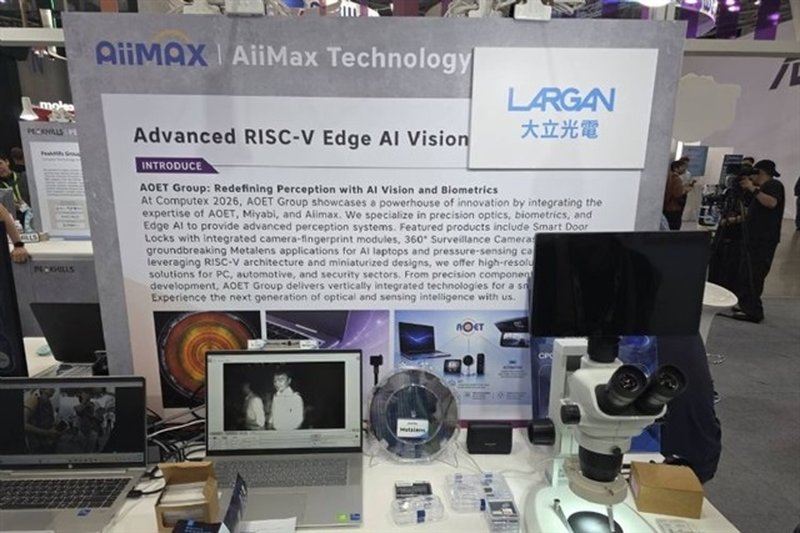
Il panorama tecnicico attuale è fortemente influenzato dalla rapida espansione dell'intelligenza artificiale, in particolare dei Large Language Models (LLM), che richiedono infrastrutture di calcolo sempre più potenti ed efficienti. In questo contesto, l'ottica gioca un ruolo cruciale, soprattutto per la gestione del flusso di dati all'interno dei data center e tra i chip di elaborazione. Aziende leader nel settore come Largan e Sunny Optical stanno orientando i loro investimenti verso lo sviluppo di componenti ottici avanzati, riconoscendo la loro importanza strategica per il futuro dell'AI.
La capacità di elaborare enormi volumi di dati con bassa latenza e alto throughput è un requisito fondamentale per l'addestramento (training) e l'inference degli LLM. Le soluzioni ottiche tradizionali, basate su interconnessioni elettriche, stanno raggiungendo i loro limiti in termini di consumo energetico e densità di banda. L'innovazione in questo campo è quindi essenziale per superare questi colli di bottiglia e abilitare la prossima generazione di acceleratori AI e sistemi di calcolo ad alte prestazioni.
Co-Packaged Optics (CPO) e Unità Ottiche a Forma Libera (FAU)
Al centro di questa evoluzione vi sono le tecnicie Co-Packaged Optics (CPO) e le Unità Ottiche a Forma Libera (FAU). Le CPO rappresentano un approccio innovativo che integra componenti ottici ed elettrici direttamente nello stesso package del chip, riducendo significativamente le distanze di trasmissione e, di conseguenza, il consumo energetico e la latenza. Questo permette di ottenere una maggiore densità di interconnessione e un throughput superiore rispetto alle soluzioni tradizionali, elementi critici per le architetture di calcolo distribuito tipiche dei carichi di lavoro AI.
Le Unità Ottiche a Forma Libera (FAU), d'altra parte, sono componenti ottici avanzati progettati per manipolare la luce con estrema precisione. La loro capacità di modellare e dirigere i fasci luminosi in modi complessi le rende ideali per applicazioni che richiedono un'elevata integrazione e miniaturizzazione, come i moduli ottici di nuova generazione per le CPO o i sensori avanzati per l'AI. L'impegno di Largan e Sunny Optical nello sviluppo di queste tecnicie sottolinea la loro visione di un futuro in cui l'ottica sarà sempre più intrecciata con l'elettronica per soddisfare le esigenze computazionali dell'intelligenza artificiale.
Implicazioni per i deployment on-premise e la sovranità dei dati
L'adozione di CPO e FAU ha profonde implicazioni per le strategie di deployment delle infrastrutture AI, in particolare per le soluzioni self-hosted e on-premise. Le aziende che scelgono di mantenere i propri carichi di lavoro AI all'interno dei propri data center, spesso per ragioni di sovranità dei dati, compliance normativa o controllo sui costi, beneficiano direttamente di queste innovazioni. Le CPO, ad esempio, consentono di costruire cluster di GPU più densi ed efficienti dal punto di vista energetico, riducendo il Total Cost of Ownership (TCO) a lungo termine e l'impronta fisica dell'infrastruttura.
La possibilità di disporre di interconnessioni ad alta velocità e bassa latenza direttamente sul package del chip è cruciale per ottimizzare le performance degli LLM in ambienti locali. Questo è particolarmente vero per le architetture che utilizzano tecniche come il tensor parallelism o il pipeline parallelism, dove la comunicazione tra le GPU è un fattore limitante. Per chi valuta deployment on-premise, AI-RADAR offre framework analitici su /llm-onpremise per valutare i trade-off tra performance, costo e controllo, evidenziando come l'hardware sottostante, inclusa l'ottica avanzata, sia un elemento chiave in queste decisioni strategiche.
Prospettive future e sfide tecniciche
Nonostante i promettenti vantaggi, lo sviluppo e l'adozione su larga scala delle CPO e delle FAU presentano ancora delle sfide significative. La complessità di produzione, i costi iniziali elevati e la necessità di nuove competenze per l'integrazione sono fattori che le aziende devono considerare. Tuttavia, l'investimento di attori chiave come Largan e Sunny Optical indica una chiara direzione verso la maturazione di queste tecnicie.
Il futuro dell'intelligenza artificiale dipenderà sempre più dalla capacità di spostare e processare dati in modo efficiente. Le ottiche avanzate, come quelle abilitate dalle CPO e dalle FAU, saranno fondamentali per sbloccare nuove capacità negli acceleratori AI, permettendo modelli più grandi, inference più rapida e training più efficiente. Questi sviluppi non solo influenzeranno la progettazione dei chip, ma anche l'architettura complessiva dei data center, spingendo verso soluzioni sempre più integrate e ottimizzate per i carichi di lavoro AI.







💬 Commenti (0)
🔒 Accedi o registrati per commentare gli articoli.
Nessun commento ancora. Sii il primo a commentare!