
AI Meets Robotics: A New Era of Development
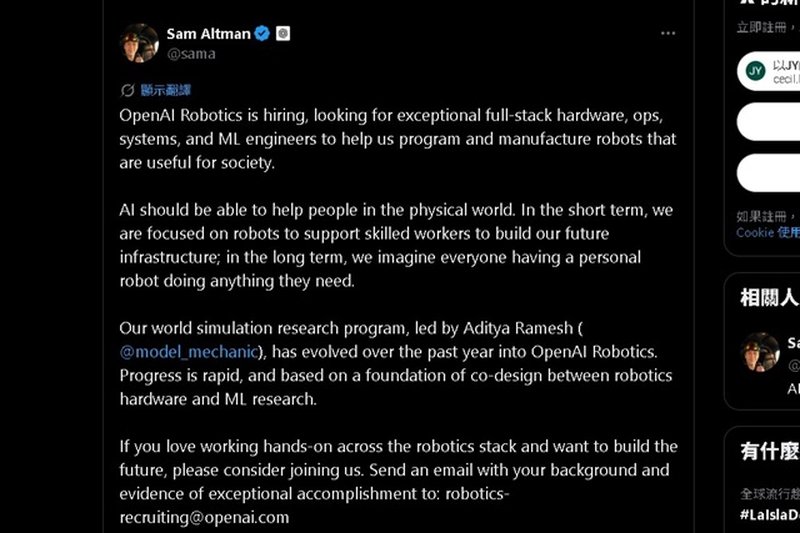
The convergence of artificial intelligence and robotics is reaching a turning point, promising to radically transform how autonomous systems are conceived, built, and put into operation. At the heart of this revolution are the growing capabilities of AI models, particularly Large Language Models (LLMs), which are demonstrating a surprising aptitude for code generation. This expertise is no longer confined to software development alone but now extends to controlling physical entities.
The idea of equipping an AI agent, such as an "OpenClaw Agent," with a physical body is no longer a futuristic concept but an increasingly tangible reality. This transition from the purely digital domain to the physical one is made possible precisely by LLMs' ability to translate complex intentions into operational instructions for machines, simplifying processes that previously required extremely complex and specialized software engineering.
The Role of Large Language Models in Robotic Development
Traditionally, robot development has required multidisciplinary teams with deep expertise in mechanics, electronics, control, and programming. Each new feature or adaptation to a different environment involved long and costly development cycles. The coding capabilities of LLMs promise to drastically streamline this pipeline. These models can generate code snippets for control logic, interpret sensor data, facilitate human-robot interaction through natural language, and even assist in designing new behavioral routines.
This means that the barrier to entry for creating more sophisticated robots is lowered. Developers can focus on defining high-level objectives, leaving LLMs to translate these intentions into executable code for robotic systems. This not only accelerates the construction phase but also makes the deployment of new functionalities and the adaptation of robots to unforeseen scenarios a much more agile and less resource-intensive process.
Implications for On-Premise Deployment and Data Sovereignty
The adoption of LLMs for robotic control raises significant questions regarding deployment and the underlying infrastructure. For critical applications, such as industrial robotics, assisted surgery, or defense systems, the need to maintain complete control over data and AI models is paramount. This drives solutions towards on-premise or air-gapped deployments, where AI models reside on local infrastructure, ensuring data sovereignty, regulatory compliance, and minimal latency.
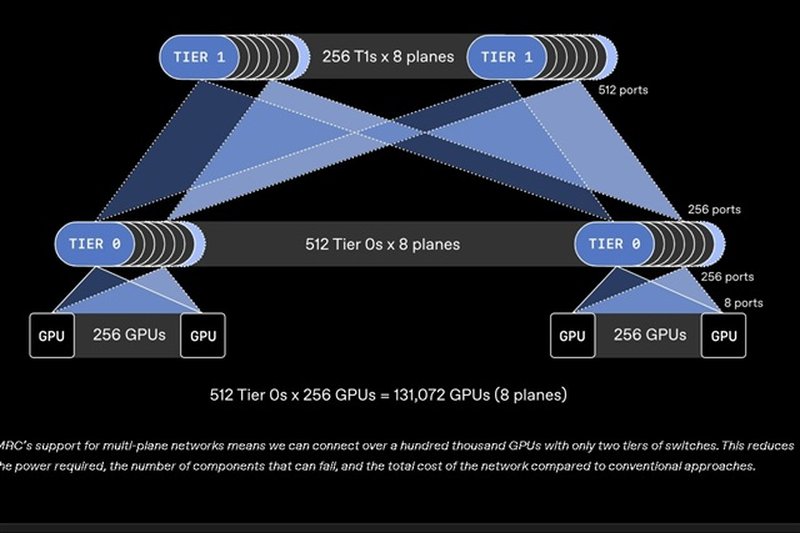
Managing these LLMs in self-hosted environments requires careful infrastructure planning, considering requirements such as GPU VRAM for inference, throughput capacity, and system resilience. Companies evaluating the integration of AI-powered robotic agents must carefully analyze the Total Cost of Ownership (TCO) of on-premise solutions versus cloud alternatives, taking into account not only hardware and software costs but also security, maintenance, and customization capabilities.
Future Prospects and Technological Challenges
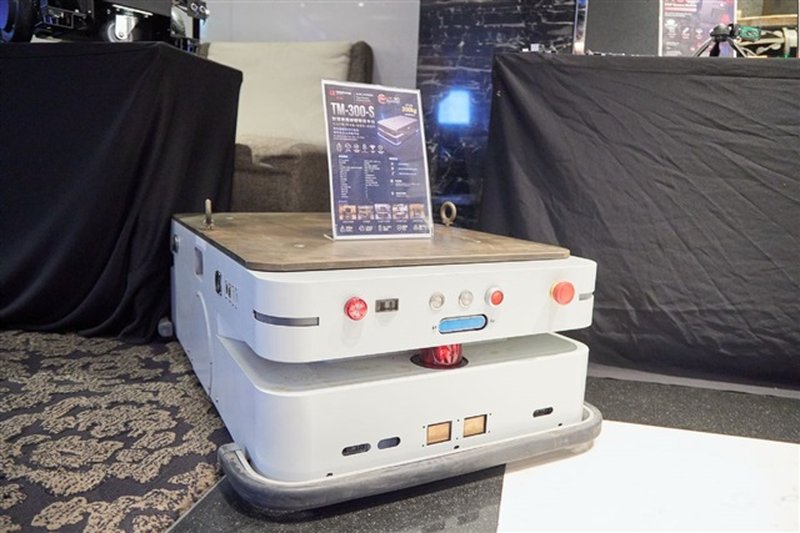
The prospect of easier-to-build and easier-to-deploy robots opens exciting scenarios for automation across numerous sectors, from logistics to healthcare, from space exploration to advanced manufacturing. Robots equipped with "physical bodies" and AI "brains" capable of programming themselves could adapt in real-time to new situations, learn from experience, and collaborate in more complex ways with humans.
However, this evolution is not without its challenges. The robustness and reliability of LLM-generated code, the safety of autonomous systems, and the ethical implications of robotic autonomy are areas that will require continuous research and development. The need for high-performance hardware for local inference and efficient management of computational resources will remain critical factors for the success of these large-scale deployments. The future of robotics will be shaped by the ability to balance innovation, control, and responsibility.





💬 Comments (0)
🔒 Log in or register to comment on articles.
No comments yet. Be the first to comment!