
AI in Pope Leo XIV's Encyclical: A Warning on Power and Democracy Risks
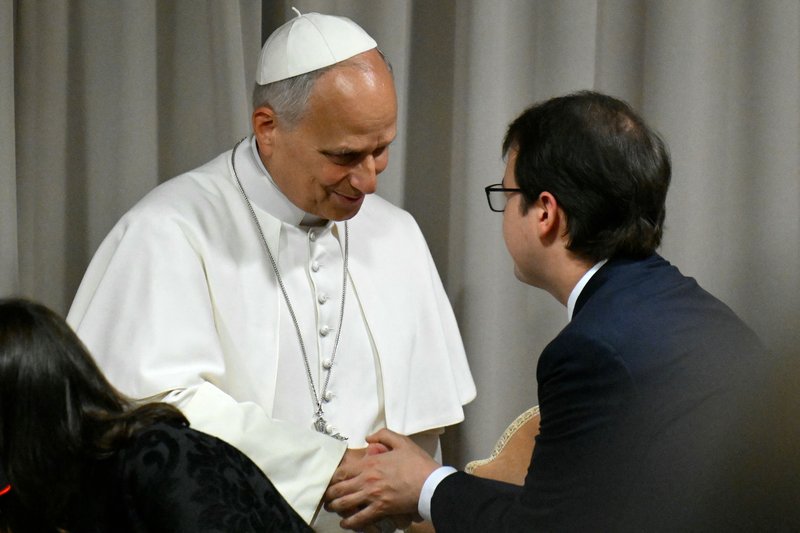
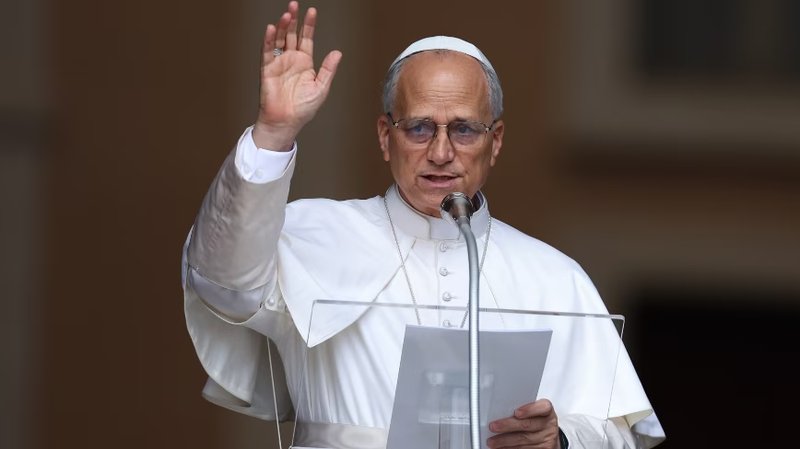
Pope Leo XIV's first encyclical, a highly anticipated document, addresses the topic of artificial intelligence not as a technical or theological analysis of the technology itself, but rather as a lens through which to examine pre-existing social and political problems. The papal text focuses on fundamental issues afflicting contemporary society: the growing concentration of power, the erosion of democratic foundations, and the increasingly marked influence of a technological elite that, with its decisions and innovations, shapes the world to its exclusive advantage.
This perspective, although not directly technical, deeply resonates with the concerns driving the debate on the deployment and governance of LLMs and other AI technologies. For tech decision-makers, the Pontiff's reflection raises crucial questions about who controls these powerful resources and what implications this has for data sovereignty and infrastructure resilience.
Artificial Intelligence as a Mirror of Inequalities
The encyclical uses AI as a powerful mirror to reflect inequalities and power dynamics already present in the social fabric. Artificial intelligence, with its ability to process vast volumes of data and automate complex processes, can amplify existing trends, both positive and negative. While it promises efficiency and innovation, if managed by a few centralized actors, it can further consolidate power in the hands of an elite.
This is a significant point of friction for organizations evaluating the deployment of AI solutions. The choice between a third-party managed cloud infrastructure and a self-hosted or on-premise approach is not just a matter of TCO or performance, but also of control and autonomy. Dependence on external providers for LLM Inference and Fine-tuning can ultimately limit data sovereignty and expose organizations to risks related to compliance and security, central themes for those operating in regulated sectors or with air-gapped environment requirements.
Concentration of Power and Challenges to Democracy
The papal document warns against the concentration of power, a phenomenon that the rise of AI can accelerate. Large technology companies that develop and control the main AI Frameworks and models wield unprecedented influence. This influence extends from defining technical standards to shaping social interactions, and managing sensitive data. The erosion of democracy, another expressed concern, can stem from these actors' ability to manipulate information, influence public opinion, or create opaque control systems.
For businesses and institutions, the issue becomes strategic: how to ensure that AI adoption does not compromise the principles of transparency, fairness, and democratic control? The answer often lies in the ability to maintain direct control over one's data pipeline and models. This means investing in Bare metal infrastructure, GPUs with adequate VRAM for local Inference, and internal expertise to manage the entire technology stack, from model Quantization to their actual Deployment.
Implications for On-Premise Deployment and Governance
Pope Leo XIV's encyclical, while not providing technical specifications on Throughput or latency, offers an ethical and social framework that strengthens the argument for a more controlled and sovereign approach to artificial intelligence. Organizations operating in contexts where data sovereignty, regulatory compliance (such as GDPR), and security are absolute priorities will find in these reflections a further stimulus to seriously consider on-premise or hybrid deployment options.
The evaluation of TCO, which includes not only operational costs but also risks related to loss of control or dependence on third parties, becomes fundamental. AI-RADAR, for example, offers analytical frameworks on /llm-onpremise to help evaluate the trade-offs between different deployment strategies, providing tools to compare hardware requirements, scalability needs, and security implications. In an era where AI is increasingly pervasive, the choice of how and where to deploy these technologies is not just a technical decision, but an act with profound ethical, social, and governance implications.







💬 Comments (0)
🔒 Log in or register to comment on articles.
No comments yet. Be the first to comment!