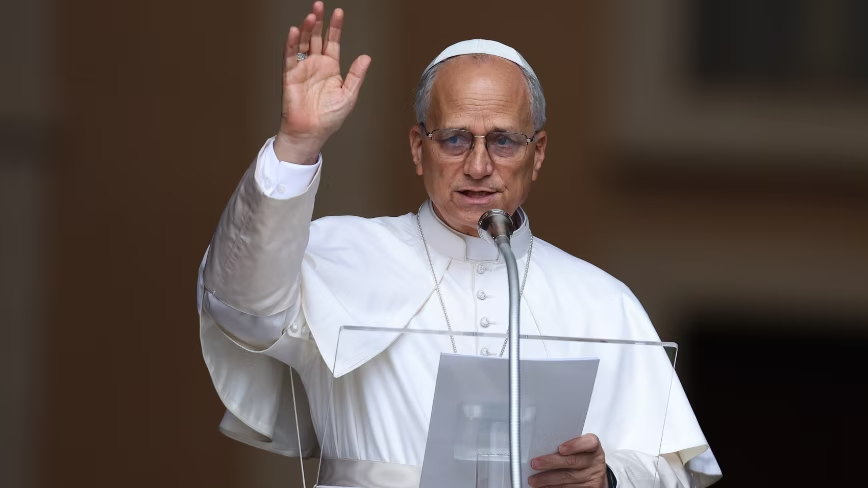
L'Appello del Pontefice: Un Monito sull'IA nella Guerra
In un intervento di risonanza globale, Papa Leone XIV ha utilizzato la cornice di una storica visita all'Università La Sapienza di Roma per lanciare un severo monito contro l'escalation dell'intelligenza artificiale negli scenari bellici. Il pontefice ha espresso una profonda preoccupazione, avvertendo che gli investimenti crescenti in armamenti guidati dall'IA stanno spingendo l'umanità verso quella che ha definito una "spirale di annientamento". Questo appello, pronunciato in una delle più grandi e antiche istituzioni accademiche d'Europa, sottolinea l'urgenza di un dibattito etico e tecnicico sull'impiego dell'IA in contesti critici.
La dichiarazione del Papa non è solo un richiamo morale, ma anche un'eco delle crescenti preoccupazioni che attraversano la comunità tecnicica e i decisori politici riguardo al controllo e alla governance delle tecnicie autonome. Per CTO, DevOps lead e architetti infrastrutturali, la questione del controllo sull'IA non è astratta, ma si traduce in scelte concrete di deployment, architettura e gestione dei dati. La capacità di monitorare, auditare e, se necessario, disattivare sistemi complessi è fondamentale, specialmente quando questi operano in ambiti con implicazioni etiche così profonde.
Implicazioni Tecnologiche e la Necessità di un Monitoraggio Rigoroso
Il concetto di "spirale di annientamento" evocato da Papa Leone XIV solleva interrogativi cruciali sulla natura stessa dei sistemi di intelligenza artificiale impiegati in contesti militari. Questi sistemi, spesso basati su Large Language Models (LLM) o altri algoritmi di machine learning, richiedono infrastrutture robuste per l'inference e il training, con specifiche hardware come VRAM e throughput che determinano le loro capacità operative. Tuttavia, al di là delle pure performance tecniche, emerge la questione della loro autonomia decisionale e della trasparenza dei loro processi.
Il pontefice ha esplicitamente richiesto un "monitoraggio più rigoroso" di queste tecnicie. Questa esigenza si traduce, in termini tecnici, nella necessità di implementare pipeline di osservabilità avanzate, sistemi di logging dettagliati e meccanismi di explainability per comprendere come e perché un sistema AI prenda determinate decisioni. Per le organizzazioni che valutano il deployment di LLM o altri modelli AI in ambienti sensibili, la capacità di garantire tale monitoraggio è un vincolo architetturale primario, spesso più facilmente realizzabile in un ambiente self-hosted o air-gapped, dove il controllo sull'intero stack tecnicico è massimo.
Sovranità dei Dati e Controllo On-Premise come Risposta
L'appello per un controllo più stretto sull'IA in ambito bellico risuona fortemente con i principi di sovranità dei dati e di controllo infrastrutturale che guidano molte decisioni di deployment on-premise. Quando si tratta di sistemi con implicazioni etiche o di sicurezza nazionale, la capacità di mantenere i dati e gli algoritmi all'interno di confini fisici e giurisdizionali definiti diventa cruciale. Un deployment self-hosted offre la possibilità di implementare politiche di sicurezza personalizzate, di aderire a normative specifiche (come il GDPR per i dati sensibili) e di garantire che nessun attore esterno possa influenzare o accedere ai sistemi senza autorizzazione.
Questo approccio si contrappone alla delega completa a servizi cloud di terze parti, dove il controllo granulare sull'infrastruttura sottostante e sulla localizzazione dei dati può essere limitato. La valutazione del Total Cost of Ownership (TCO) per un deployment on-premise, che include non solo i costi hardware (GPU, server bare metal) ma anche quelli legati alla compliance, alla sicurezza e alla governance etica, diventa un fattore determinante. La scelta di un'infrastruttura locale può offrire un framework più solido per affrontare le sfide etiche e di controllo sollevate dal Papa, garantendo che le decisioni critiche rimangano sotto la diretta supervisione umana e organizzativa.
Il Ruolo dei Decisori Tech nel Futuro dell'IA
Le parole di Papa Leone XIV non sono rivolte solo ai leader mondiali, ma anche a chi progetta, sviluppa e rilascia le tecnicie AI. I CTO, gli architetti di sistema e i team DevOps si trovano in prima linea nella definizione di come l'intelligenza artificiale verrà impiegata. La loro responsabilità va oltre la mera efficienza tecnica, estendendosi alla considerazione delle implicazioni etiche e sociali dei sistemi che costruiscono. La scelta di un framework di deployment, la selezione dell'hardware per l'inference o il training, e la progettazione delle pipeline di monitoraggio sono tutte decisioni che contribuiscono a plasmare il futuro dell'IA.
Per chi valuta deployment on-premise, esistono trade-off significativi tra flessibilità, costo e controllo. AI-RADAR offre framework analitici su /llm-onpremise per valutare questi equilibri, fornendo strumenti per confrontare le prestazioni di diverse configurazioni hardware (es. A100 80GB vs H100 SXM5) e le implicazioni di sicurezza. L'appello del Papa serve da potente promemoria che, in un'era di rapida innovazione, la governance e la supervisione etica non sono optional, ma componenti essenziali per garantire che l'intelligenza artificiale sia uno strumento al servizio dell'umanità e non una minaccia alla sua esistenza.








💬 Commenti (0)
🔒 Accedi o registrati per commentare gli articoli.
Nessun commento ancora. Sii il primo a commentare!