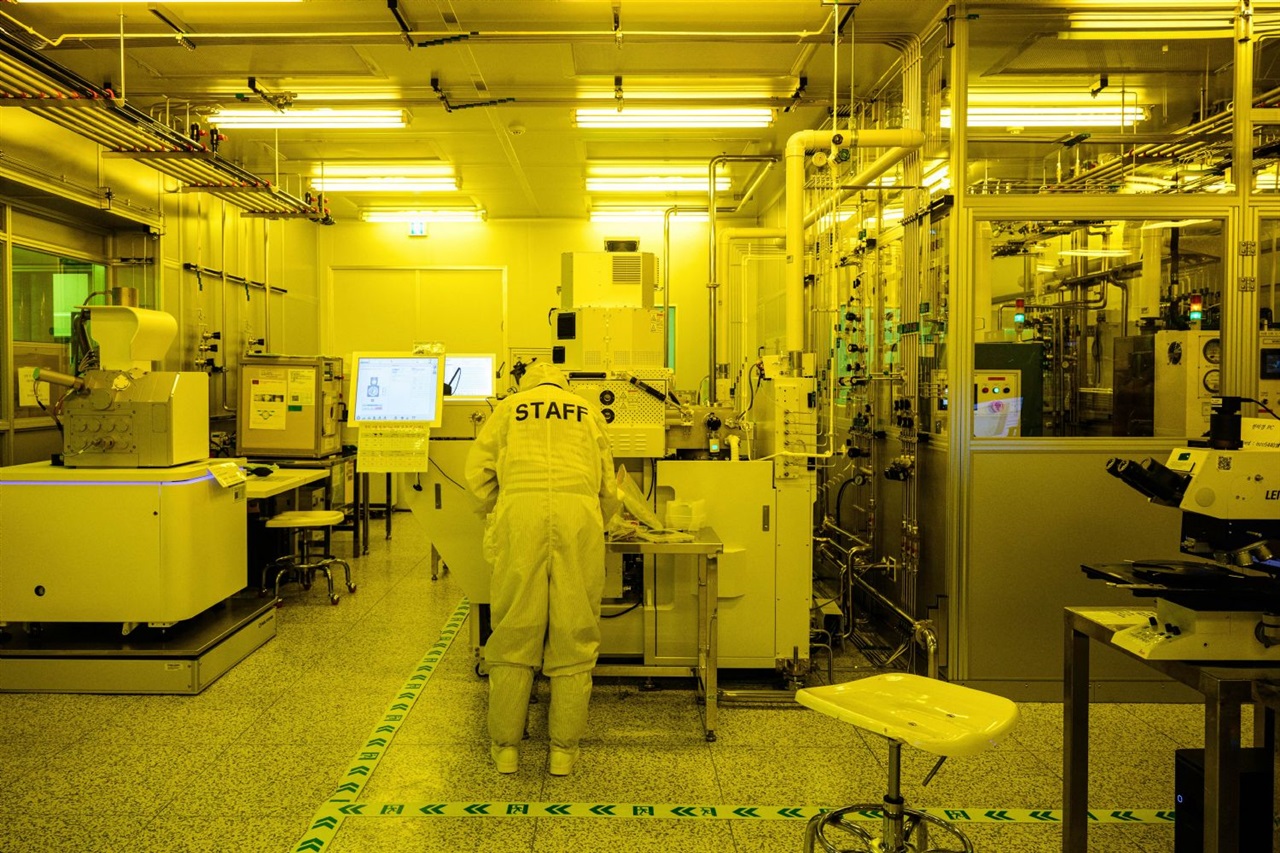
India and its Semiconductor Ambition
India has embarked on a strategic path to establish itself as a power in the semiconductor sector, an industry fundamental to the global digital economy and the advancement of artificial intelligence. This push is part of a broader national initiative aimed at reducing dependence on foreign supply chains and strengthening the country's technological sovereignty. The goal is to create a robust domestic ecosystem capable of supporting the entire chip production pipeline, from design to manufacturing.
This ambition is set against a geopolitical backdrop where supply chain security has become a top priority for many nations. For India, investing in silicon production means not only stimulating economic growth and creating skilled jobs but also ensuring greater control over critical technologies that power strategic sectors, including defense and AI.
Ecosystem Gaps and Challenges Ahead
Despite strong political momentum and initial investments, India's journey towards semiconductor self-sufficiency is fraught with obstacles. The source highlights how ecosystem gaps remain a key challenge. These gaps manifest on multiple fronts: from the shortage of highly specialized talent in areas such as chip design, photolithography, and factory management, to the lack of state-of-the-art production infrastructure (the so-called "foundries" or wafer fabrication plants).
Furthermore, developing a complete ecosystem requires substantial investments in research and development, access to complex intellectual property, and the creation of a network of material and equipment suppliers. Building a modern semiconductor factory can cost tens of billions of dollars and takes years to become operational, with a very high TCO and a long-term return on investment. These factors make the challenge particularly arduous for a country trying to catch up with leading nations in the sector.
Implications for On-Premise AI and Data Sovereignty
For organizations evaluating the deployment of Large Language Models (LLM) on-premise, the development of a domestic chip ecosystem in countries like India has significant implications. Greater availability of locally produced silicon could, in the long run, influence the costs and availability of specialized hardware, such as high-VRAM GPUs, essential for LLM Inference and Fine-tuning. This is particularly relevant for those seeking to optimize the TCO of their AI infrastructures.
Data sovereignty and security are other crucial aspects. A nationally controlled chip production ecosystem can offer greater guarantees in terms of supply chain security, reducing risks associated with components from potentially vulnerable supply chains. For companies operating in air-gapped environments or with stringent compliance requirements, the origin and reliability of hardware are determining factors. AI-RADAR, for example, offers analytical frameworks on /llm-onpremise to evaluate these trade-offs between control, security, and costs in self-hosted deployments.
Future Prospects and Strategic Trade-offs
India's path to semiconductor self-sufficiency is a marathon, not a sprint. It requires sustained commitment, massive investments, and a long-term strategy to bridge existing gaps. The trade-offs are evident: the enormous initial CapEx and the long lead times for establishing a complete infrastructure must be balanced against the long-term strategic benefits in terms of national security, economic growth, and technological independence.
The ability to attract and train talent, establish international partnerships, and create an environment conducive to innovation will be critical factors for success. Although the challenges are considerable, the acceleration of India's chip ambitions underscores a global trend towards greater regionalization of technological production, with profound implications for the future of AI and digital infrastructures worldwide.







💬 Comments (0)
🔒 Log in or register to comment on articles.
No comments yet. Be the first to comment!