Il Passaggio all'Inference e le Nuove Dinamiche di Mercato
Il panorama dell'intelligenza artificiale sta assistendo a una trasformazione cruciale: l'attenzione si sposta sempre più dalle fasi intensive di training dei modelli alla loro esecuzione pratica, ovvero l'inference. Mentre il training richiede enormi risorse computazionali per periodi prolungati, l'inference si concentra sull'efficienza e sulla rapidità di risposta per generare output da modelli pre-addestrati. Questa evoluzione non è solo una questione tecnica, ma un vero e proprio motore di cambiamento per l'intera supply chain tecnicica.
La crescente adozione di Large Language Models (LLM) in contesti aziendali, dalla generazione di contenuti all'assistenza clienti, ha amplificato la necessità di infrastrutture capaci di gestire carichi di lavoro di inference in modo scalabile ed economico. Questo scenario apre scenari inediti per i fornitori di hardware e servizi, che devono adattarsi a requisiti prestazionali e di costo differenti rispetto a quelli del training.
Implicazioni Hardware per i Carichi di Lavoro di Inference
I requisiti hardware per l'inference differiscono notevolmente da quelli per il training. Se il training spesso privilegia GPU con la massima VRAM e capacità di calcolo per operazioni in virgola mobile a doppia precisione (FP64), l'inference può beneficiare di GPU con VRAM inferiore ma ottimizzate per throughput elevato e bassa latenza, spesso utilizzando formati di quantization come FP16 o INT8. Questo si traduce in una domanda di server e componenti che bilancino potenza, efficienza energetica e costi.
Per le aziende che valutano deployment on-premise, la scelta dell'hardware per l'inference è strategica. Fattori come il Total Cost of Ownership (TCO), la densità dei server, la gestione termica e l'affidabilità diventano prioritari. In questo contesto, la capacità di fornire soluzioni hardware robuste e personalizzabili è fondamentale per supportare l'esecuzione di LLM in ambienti controllati e sicuri, dove la sovranità dei dati è un requisito non negoziabile.
Nuove Opportunità nella Supply Chain: InWin e Y.S. Tech
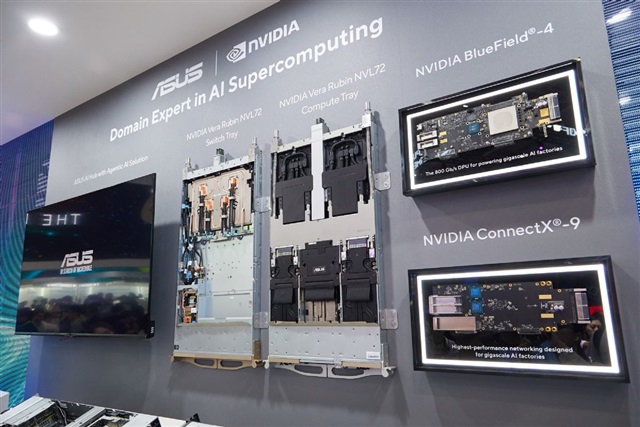
Il cambiamento verso l'inference sta generando significative opportunità per i fornitori di componenti hardware. Aziende come InWin, nota per i suoi chassis, alimentatori e soluzioni di raffreddamento, e Y.S. Tech, specializzata in ventole e sistemi di dissipazione termica, si trovano in una posizione privilegiata. La progettazione di server ottimizzati per l'inference richiede soluzioni di raffreddamento avanzate per gestire il calore generato da cluster di GPU dense, oltre a chassis che facilitino la manutenzione e l'espansione.
Questi fornitori possono capitalizzare sulla crescente domanda di infrastrutture AI self-hosted, offrendo prodotti che rispondano alle esigenze specifiche di performance, affidabilità e scalabilità. La capacità di innovare in aree come la gestione termica liquida o le soluzioni di alimentazione ad alta efficienza può rappresentare un vantaggio competitivo cruciale in un mercato in rapida evoluzione, come evidenziato da DIGITIMES.
Prospettive per i Deployment On-Premise e la Sovranità dei Dati
La transizione verso l'inference rafforza l'attrattiva dei deployment on-premise per le organizzazioni che gestiscono dati sensibili o che necessitano di un controllo granulare sull'infrastruttura AI. La possibilità di eseguire LLM localmente garantisce maggiore sicurezza, compliance e sovranità dei dati, aspetti cruciali per settori come la finanza, la sanità o la pubblica amministrazione. Questo approccio permette anche di ottimizzare il TCO nel lungo periodo, evitando i costi operativi variabili e spesso elevati dei servizi cloud.
Per chi valuta l'implementazione di LLM on-premise, è essenziale considerare i trade-off tra costi iniziali, efficienza operativa e requisiti specifici del carico di lavoro. AI-RADAR offre framework analitici su /llm-onpremise per supportare le decisioni strategiche relative all'infrastruttura AI, aiutando le aziende a navigare tra le complessità tecniche e finanziarie. La capacità di assemblare stack locali efficienti e performanti sarà un fattore distintivo nel prossimo futuro dell'intelligenza artificiale aziendale.






💬 Commenti (0)
🔒 Accedi o registrati per commentare gli articoli.
Nessun commento ancora. Sii il primo a commentare!