
Chinese OSATs Boost Advanced Packaging Investments for AI Demand
The semiconductor industry is experiencing significant dynamism, driven by the exponential demand for computing power for artificial intelligence. In this context, Chinese Outsourced Semiconductor Assembly and Test (OSAT) companies are accelerating their investment plans, focusing particularly on advanced packaging technologies. This strategic push is a direct response to the global "race" to develop and produce increasingly powerful and efficient AI hardware.
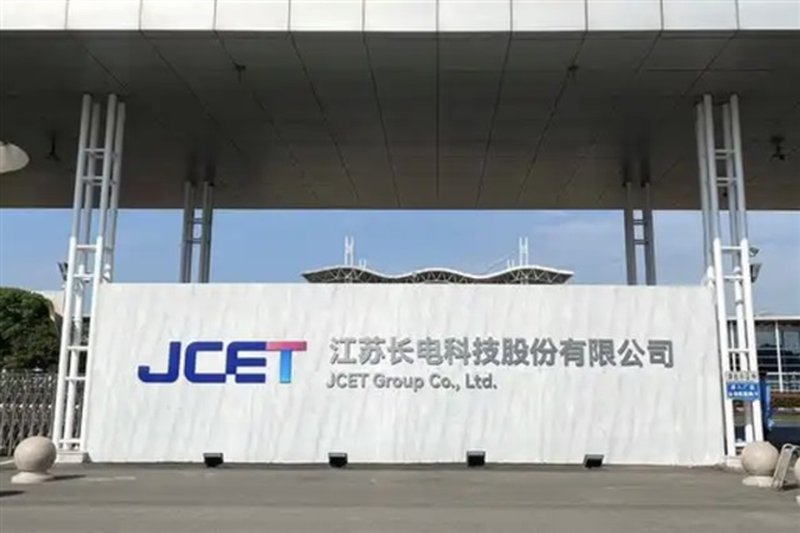
The increase in investments by players like JCET, cited in the context of this trend, underscores the growing importance of advanced packaging. It is no longer just about assembling components, but about innovative integration to overcome the physical limitations of traditional chips and meet the specific requirements of AI workloads.
The Crucial Role of Advanced Packaging in the AI Era
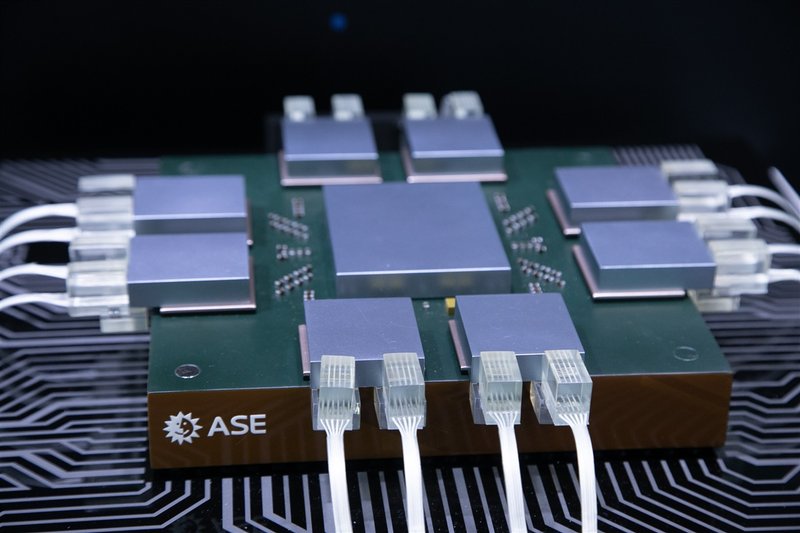
Advanced packaging represents a fundamental technological frontier for the evolution of AI-dedicated hardware. Techniques such as 2.5D and 3D stacking, chiplet integration, and the incorporation of HBM (High Bandwidth Memory) directly onto the package are essential for overcoming traditional bottlenecks. These innovations allow for a drastic increase in memory bandwidth, a reduction in latency, and an improvement in energy efficiency, all critical factors for the Inference and training of Large Language Models (LLM).
The ability to integrate more functionalities into a single package, optimizing interconnections, directly translates into AI GPUs and accelerators with higher VRAM and computing power. This is an indispensable requirement for managing increasingly complex models and voluminous datasets, both in cloud environments and, increasingly, in self-hosted deployments.
Implications for On-Premise Deployments and TCO
For organizations evaluating on-premise deployments of AI infrastructure, the evolution of advanced packaging has direct and significant implications. The availability of denser and more powerful chips, with higher VRAM and throughput, can profoundly influence the Total Cost of Ownership (TCO) of an AI infrastructure. More efficient hardware often means fewer servers, lower energy consumption, and reduced cooling requirements, balancing the initial investment.
The "race" for investments by Chinese OSATs can contribute to diversifying the supply chain and potentially stabilizing long-term costs, a key factor for decision-makers planning investments in AI hardware. For those evaluating on-premise deployments, AI-RADAR offers analytical frameworks on /llm-onpremise to assess the trade-offs between performance, costs, and infrastructure requirements, highlighting how concrete hardware specifications are crucial for project success.
Future Prospects and Technological Sovereignty
The intensification of investments in advanced packaging by Chinese OSATs is not only a response to AI demand but also reflects a broader strategy of technological sovereignty. Control over critical phases of semiconductor production, including integration and packaging, is fundamental to ensuring the autonomy and security of the supply chain. This global dynamic underscores the importance for companies to understand not only the technical specifications of components but also the geopolitical and industrial context that determines their availability and cost.
Competition in advanced packaging will continue to shape the AI hardware landscape, directly influencing the capabilities and constraints of systems that will be released to the market. For CTOs and infrastructure architects, monitoring these trends is essential for making informed decisions on future AI investments, balancing innovation, cost, and control.







💬 Comments (0)
🔒 Log in or register to comment on articles.
No comments yet. Be the first to comment!