Taiwan's OSAT (Outsourced Semiconductor Assembly and Test) sector has just closed the first half of the year with a performance not seen in years: its strongest H1 in recent memory. Analysts are projecting this momentum directly onto 2026, a year when total revenue could hit new all-time highs. The report, from DIGITIMES, aligns with what semiconductor supply chain watchers already know: behind the growth is the insatiable appetite for compute power needed to train and run Large Language Models (LLMs).
The critical role of advanced packaging
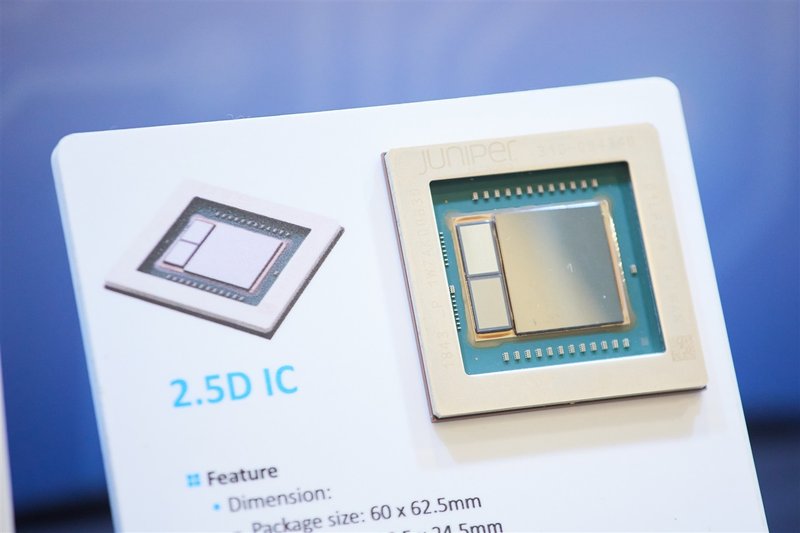
OSAT activities — which encompass packaging, testing, and assembly of chips — have become a strategic bottleneck in recent years, especially for AI-oriented chips. Technologies like CoWoS (Chip on Wafer on Substrate) developed by TSMC, used to package GPUs and accelerators such as NVIDIA H100 or AMD MI300X, require dedicated capacity and complex assembly lines. The generative AI adoption rush has created unprecedented pressure on these midstream stages, and the jump in Taiwan's OSAT output shows the system is responding — albeit strenuously — to still-explosive demand.
What it means for on-premise infrastructure builders
For organizations weighing on-premise LLM deployment, hardware availability is the primary enabler. GPU-packed servers, multi-card workstations, and dedicated inference clusters grapple with long lead times and high costs precisely because of supply chain choke points. A healthy OSAT sector suggests packaging capacity is expanding, potentially easing bottlenecks and speeding up deliveries. But it's not all rosy: component prices remain elevated and the competition between large hyperscalers and companies betting on self-hosted stacks is relentless. Those planning local inference infrastructure should read these signals as a leading indicator: if 2026 truly sees OSAT revenue soar, the market will likely have absorbed new capacity, yet demand may keep growing, keeping supply tight.
2026 on the horizon: between optimism and unknowns
Estimates point to 2026 revenue perhaps breaking all previous records, fueled not only by AI but also 5G, automotive electronics, and edge computing. However, Taiwan's dominance in these critical manufacturing stages introduces a geopolitical factor that cannot be ignored. Tensions in the Strait and diversification efforts — such as foundry and OSAT investments in the United States, Europe, and Japan — could redraw the industry's map. For infrastructure managers, this adds another variable to monitor: the availability of packaged chips can fluctuate rapidly due to political events or natural disasters.
Reading the context to decide on deployment
AI-RADAR closely tracks hardware supply chain dynamics because they directly influence the choice between cloud and on-premise. A rapidly growing OSAT sector signals ecosystem vitality, but it doesn't solve strategic dilemmas: total cost of ownership (TCO), data sovereignty, and latency remain the guiding criteria. The news that the first half of 2024 was the best in years and that 2026 revenue promises new records tells us the industry bets on sustained growth. For those planning an on-premise migration of AI workloads today, it is essential to read these trends with realism: capacity will come, but timelines may be longer than expected and budgets must adjust accordingly.







💬 Comments (0)
🔒 Log in or register to comment on articles.
No comments yet. Be the first to comment!